
Not everyone wants to go to the gym, lie out a yoga mat, or try a squat that ends with grabbing the nearest countertop for support. That’s completely fine! Fitness can be simple, gentle, and even done while sitting. A 10 minute chair workout for seniors is an easy, safe, and effective way to build strength, improve balance, and stay flexible—all from your favorite chair. Maybe even the one you’re sitting in right now.
If you’re recovering from an injury, dealing with joint pain, or just starting to move more, chair exercises are a great place to begin. They are gentle, simple to follow, and not at all intimidating. You don’t even need special workout clothes unless you want to.
Why Chair Exercises Are Perfect for Older Adults
As we age, staying active becomes more important than ever. Regular gentle movement helps with:
- Balance and fall prevention – a huge concern for many older adults
- Joint flexibility – keeping stiffness at bay
- Muscle strength – especially in the legs, core, and upper body
- Circulation and energy levels
- Mood and mental clarity
The best part is that chair workouts are made for beginners. There’s nothing to trip over, nothing to fall from, and no tricky moves to remember. If you can sit down and stand up, you’re ready to start.
Your 10-Minute Chair Workout Routine
This routine covers flexibility, balance, and strength. Do this quick and safe chair workout for seniors slowly and with control. If you feel pain beyond normal muscle effort, skip or adjust the movement. Trust your body—it knows what feels right for you.
Warm-Up (2 Minutes)
Always start with a warm-up. It helps your body prepare for movement and reduces the risk of injury.
Seated Neck Rolls (30 seconds)
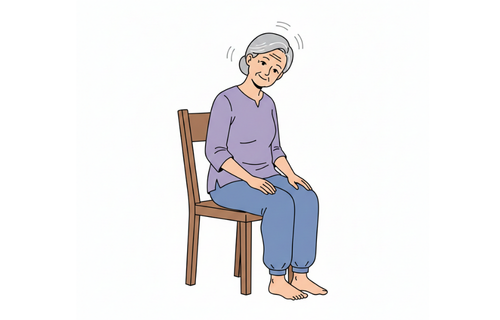
- Sit up straight with your feet flat on the floor.
- Slowly drop your right ear toward your right shoulder.
- Gently roll your chin down toward your chest.
- Bring your left ear toward your left shoulder.
- Reverse the direction.
- Move slowly and gently. Do not force any movement.
Shoulder Rolls (30 seconds)
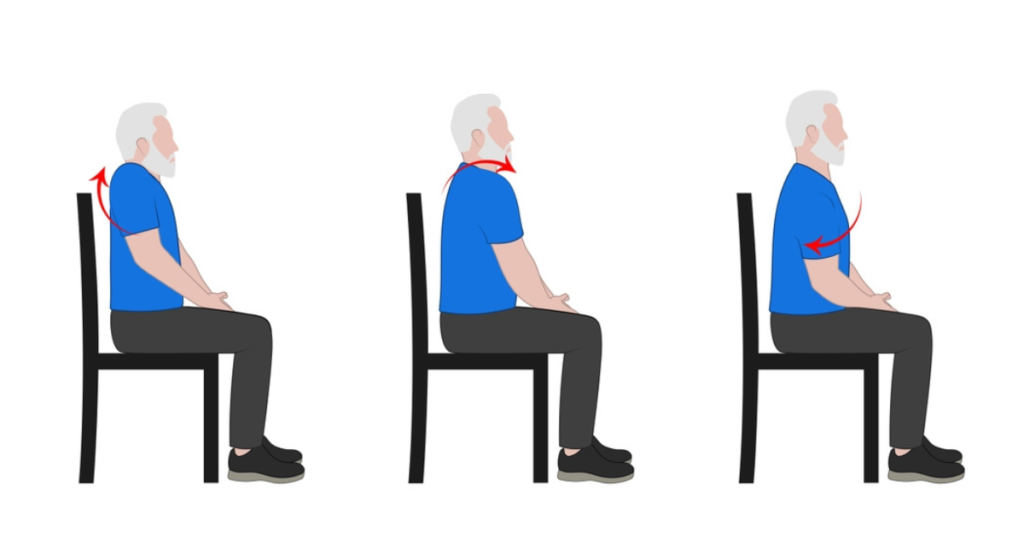
- Rest your hands on your thighs.
- Roll both shoulders forward in big, slow circles.
- After 5 rolls, reverse and go backward.
- If it feels good, take a deep breath and relax your shoulders.
Ankle Circles (1 minute)
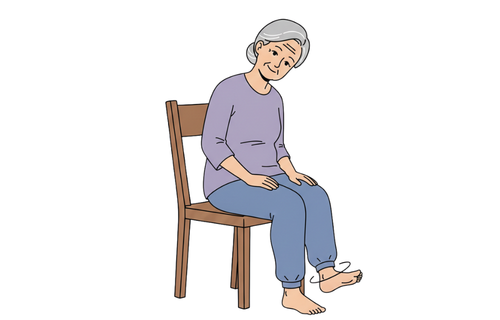
- Extend your right leg out in front of you.
- Rotate your foot slowly in circles, 5 times in each direction.
- Switch to the left foot and repeat.
This exercise helps loosen your ankles and improves blood flow to your lower legs, which is especially helpful if you have been sitting for a long time.
Strength Exercises (5 Minutes)
Seated Marching (1 minute)
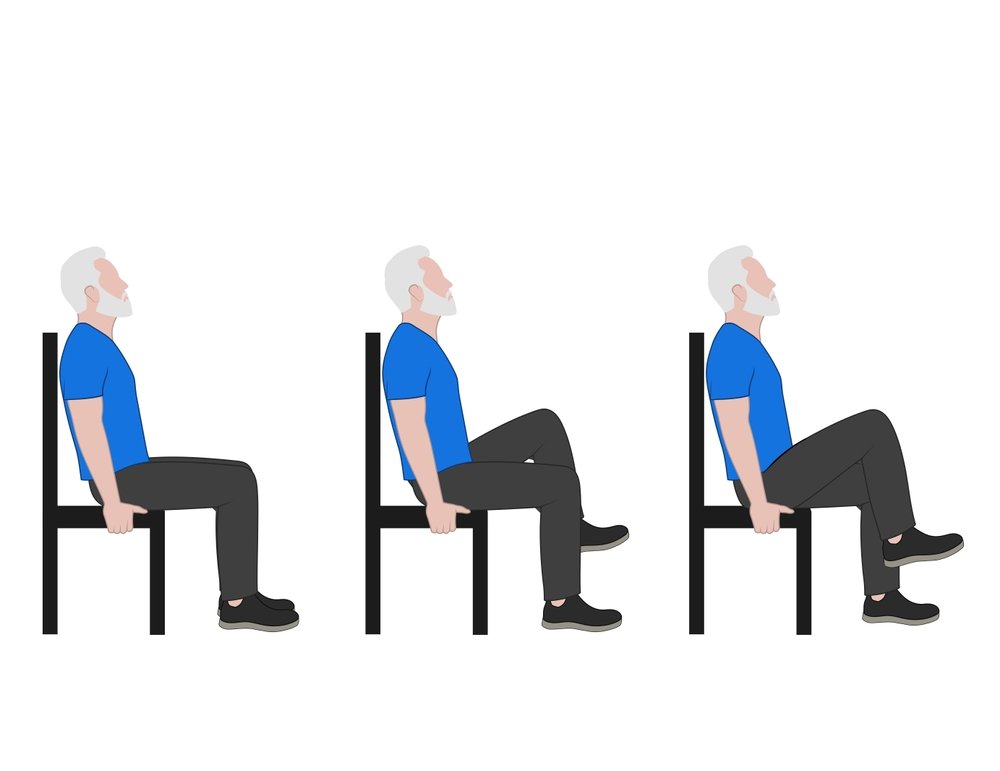
This exercise may look simple, but it is very effective for your hip flexors and core muscles.
- Sit tall with your back away from the chair back.
- Lift your right knee up toward your chest as high as comfortably possible.
- Lower it, then lift your left knee.
- Alternate your legs as if you are marching while seated.
- Keep your core lightly engaged and breathe steadily.
Sit-to-Stand (1 minute)
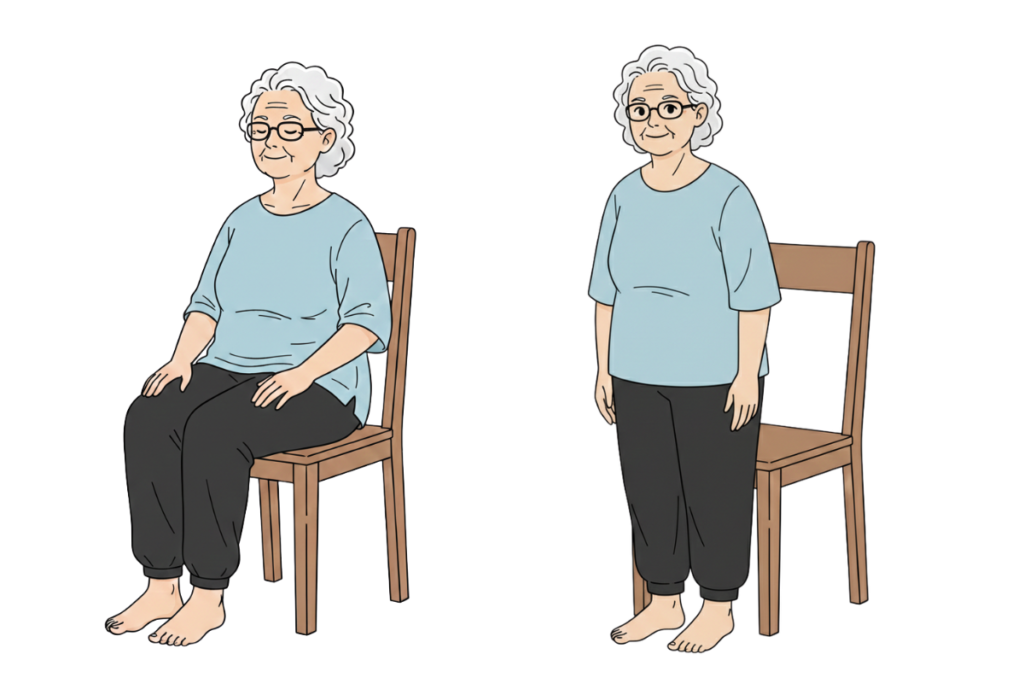
This exercise is very practical because it copies a movement you do every day.
- Sit at the front edge of your chair.
- Place your feet hip-width apart, flat on the floor.
- Lean slightly forward and push through your heels to slowly stand up.
- Lower yourself back down slowly. Focus on moving with control.
- Repeat 8 to 10 times at your own pace.
If this is too difficult, use the armrests for support.
Seated Leg Extensions (1 minute per leg)
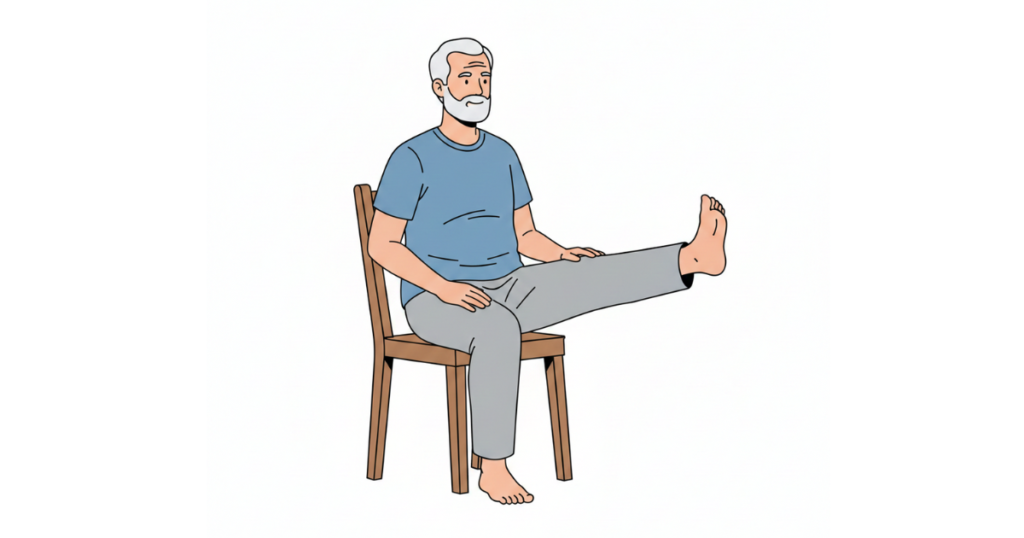
Great for strengthening the quadriceps (the muscles on the front of your thighs).
- Sit up straight and hold the sides of your chair lightly for stability.
- Slowly extend your right leg until it’s straight in front of you.
- Hold for 2 to 3 seconds, squeezing your thigh muscle.
- Lower it back down slowly.
- Do 10 repetitions, then switch legs.
Seated Bicep Curls with No Weights (1 minute)
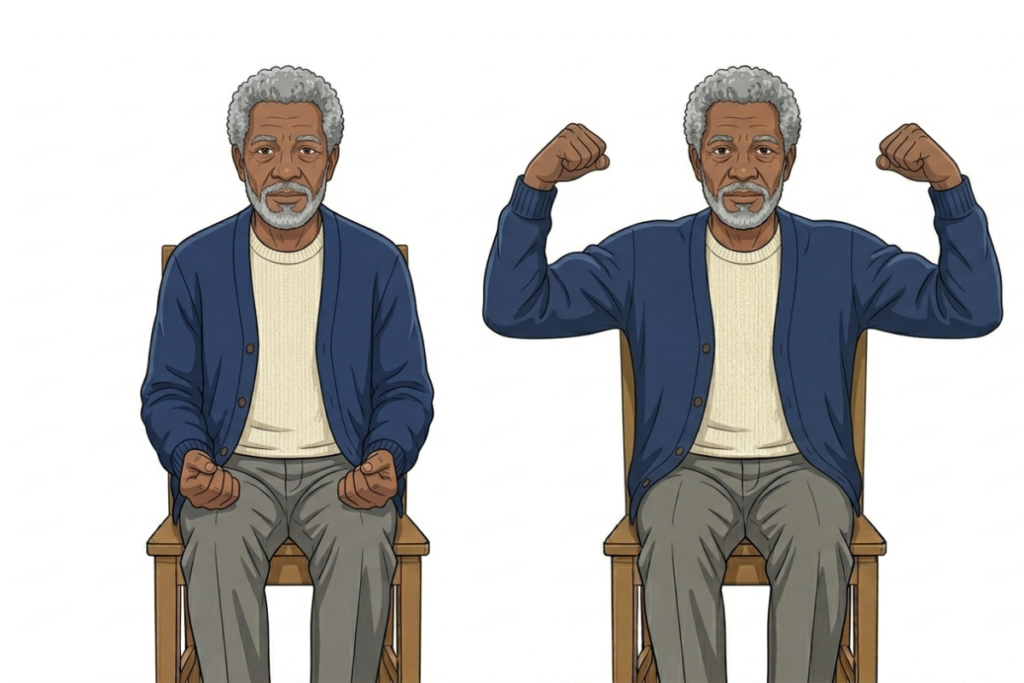
You can do bicep curls without weights and still benefit from the exercise.
- Make fists with both hands and rest them on your thighs, palms facing up.
- Slowly curl both fists up toward your shoulders, squeezing your biceps.
- Lower back down with control.
- Repeat 12 to 15 times.
If you have light canned goods or water bottles, you can use them as weights.
Flexibility and Balance (3 Minutes)
Seated Spinal Twist (1 minute)
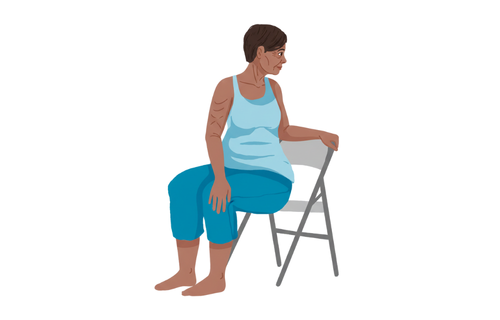
This exercise is very helpful for relieving a stiff back.
- Sit up straight with both feet flat on the floor.
- Place your right hand on the outside of your left knee.
- Gently twist your torso to the left and look over your left shoulder.
- Hold for 20 to 30 seconds, breathing deeply.
- Return to the center and repeat on the other side.
Seated Forward Bend (1 minute)
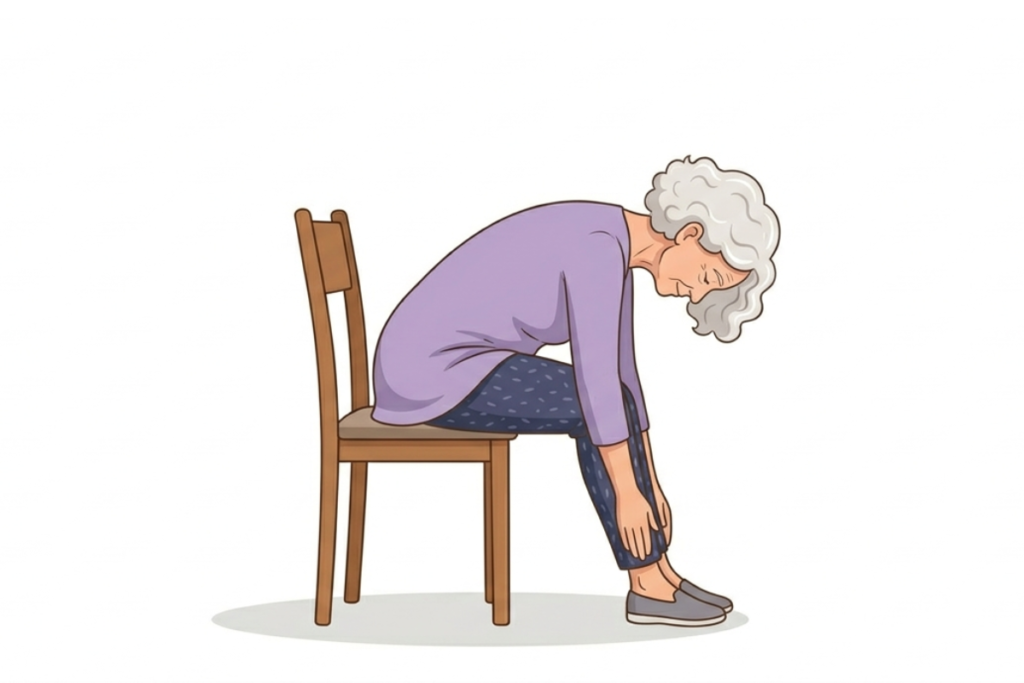
This stretch targets your lower back and hamstrings.
- Sit at the front edge of your chair.
- Feet flat on the floor, hip-width apart.
- Slowly hinge forward from your hips (not your waist) and let your hands reach toward the floor or rest on your shins.
- Let your head hang heavy and breathe for 20 to 30 seconds.
- Slowly roll back up, one vertebra at a time.
Single Leg Balance (1 minute)
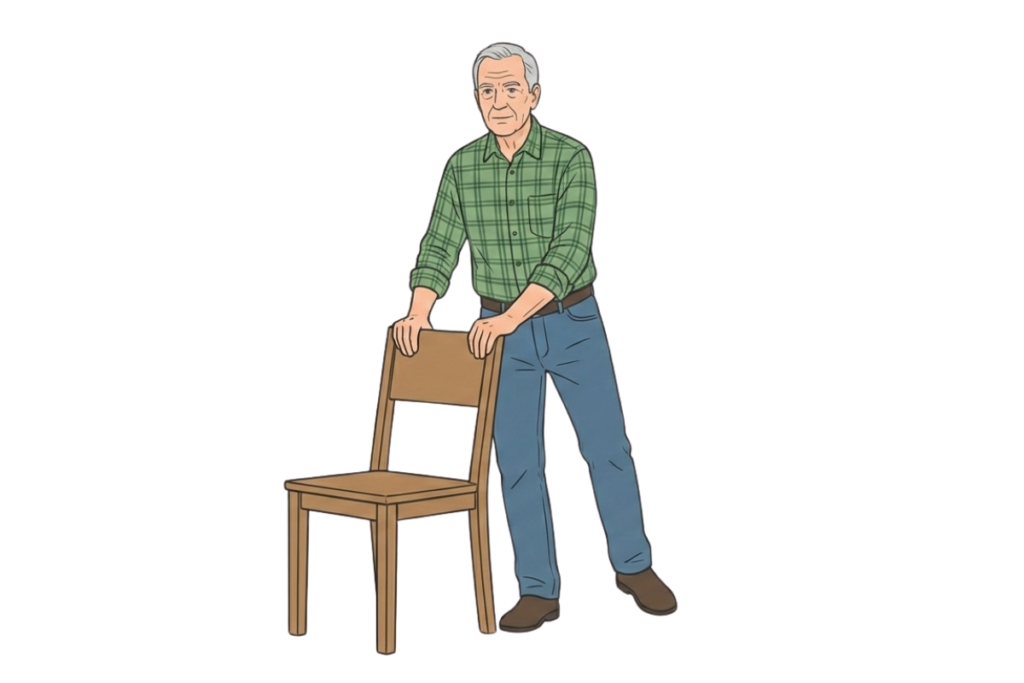
This exercise helps improve your balance. Hold the back of the chair for support if needed.
- Stand behind your chair and hold the back lightly.
- Slowly lift your left foot just a few inches off the ground.
- Hold for 10 seconds.
- Lower it and repeat on the right side.
- Do 3 repetitions on each side.
Holding this position for a few seconds challenges your balance and strengthens the muscles in your ankles and hips.
Consistency Beats Perfection Every Time
Remember, you do not need to do this workout perfectly. Just doing it is what matters. Doing a modified sit-to-stand three times a week will help your body more than waiting for the perfect workout.
Try this routine two or three times a week. After a few weeks, you may notice it is easier to move, standing up feels less difficult, and you have more energy. These small improvements add up over time.
You can set a reminder on your phone, keep your chair in a clear spot, or do the workout while enjoying your morning coffee or favorite TV show. Find what helps you stay consistent.
Final Thoughts
You don’t need to overhaul your daily routine to start feeling better. Sometimes, all it takes is ten minutes and a chair. A gentle 10 minute seated routine for beginners can be a simple yet powerful way to support your body and boost your well-being.
Give yourself credit for showing up—every small effort matters. A chair yoga book for seniors can also be a great resource, offering easy, guided routines that help you stay consistent without feeling overwhelmed.
Building strength, improving flexibility, and enhancing balance are all within reach. You can begin today, right where you are.
