
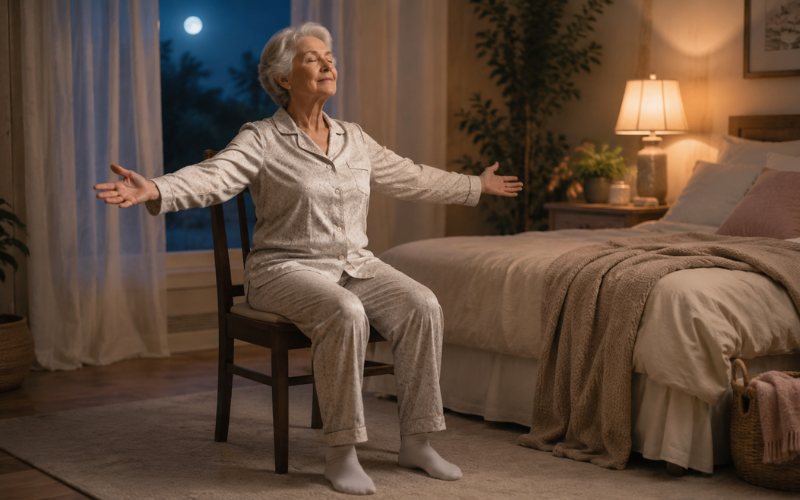
Do you remember when you could sleep through anything and wake up feeling great? These days, even a distant noise can leave you wide awake at 3:00 AM. If you find yourself counting endless sheep, you are not alone. As we get older, getting a good night’s sleep can feel challenging, but there is a simple solution that does not require fancy gadgets or pricey mattresses. Yoga breathing techniques for sleep are gentle, effective, and affordable ways to help your mind and body wind down for the night.
You do not need to be flexible or able to touch your toes for these techniques. You can do them while sitting comfortably in your favorite chair or even while lying in bed. Yoga breathing, also called Pranayama, is simply about controlling your breath to calm your nervous system. It works like a mute button for your busy thoughts. Let’s look at how these simple methods can help you sleep better and wake up feeling refreshed.
Why Your Breath is the Ultimate Sleep Aid
Before we talk about how to do these techniques, let’s look at why they help. Our bodies have two main modes: one for action (the sympathetic nervous system) and one for rest (the parasympathetic nervous system). As we get older, it is easy for our bodies to stay in action mode, even when we are tired. Stress, aches, or even a late cup of coffee can keep us feeling alert.
Breathing techniques help connect your body and mind. When you slow your breath and focus on exhaling, you signal to your brain that you are safe and can relax. This lowers your heart rate, relaxes your muscles, and helps prepare you for a deep, restful sleep.
Getting Started: The Perfect “Chair Yoga” Setup
You do not need a special studio or any special clothes. For seniors and beginners, it is best to start with a comfortable, high-backed chair. Make sure your feet rest flat on the floor. If they do not reach, place a few sturdy books or a cushion under them. The goal is to feel supported and comfortable.
Keep your back straight but relaxed. Rest your hands gently on your thighs, with your palms facing up or down, whichever feels best. If you want to try these in bed, lie on your back with a pillow under your knees to ease pressure on your lower back. Once you are comfortable, you can begin the yoga breathing exercises for sleep.
The Balloon Belly: Diaphragmatic Breathing
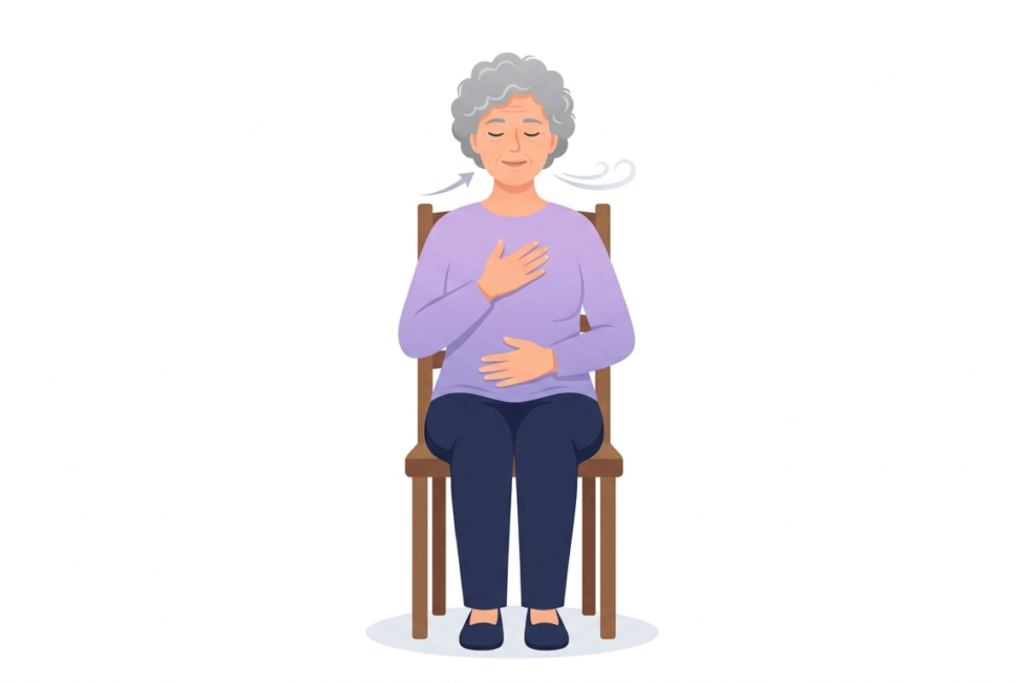
This is one of the best ways to relax. When we are stressed, we often breathe from our upper chest, which is shallow and keeps us tense. Belly breathing is different. It is how babies breathe, and they tend to sleep very well.
How to do it:
- Place one hand on your chest and the other on your belly, just below your ribs.
- Breathe in slowly through your nose. Try to make the hand on your belly rise while the hand on your chest stays relatively still.
- Picture yourself gently inflating a balloon in your stomach as you breathe in.
- Exhale slowly through your nose or with your lips pursed, as if you are blowing through a straw. Notice your belly lowering as the balloon deflates.
- Repeat this for 2 to 5 minutes.
Do not worry if this feels awkward at first. If your belly does not move much, that is fine. Simply paying attention to your breath will help you relax. The effort matters more than making a perfect balloon shape.
The 4-7-8 Method: The Natural Tranquilizer

If your mind races at night, the 4-7-8 technique can help. It gives your brain something to focus on and helps slow your heart rate. This method can help you relax and fall asleep more easily.
Step-by-step guide:
- Empty your lungs of air with a soft “whoosh” sound through your mouth.
- Close your mouth and breathe in quietly through your nose to a count of 4.
- Hold your breath for a count of 7. If that feels too long, start with 3 or 4 and gradually increase as you get comfortable.
- Exhale completely through your mouth, making another “whoosh” sound to a count of 8.
- This completes one breath. Repeat the cycle four times.
This technique works well because the long exhale helps your body relax. If you feel lightheaded at first, return to normal breathing. Your body will adjust with practice.
The Humming Bee: Bhramari Pranayama
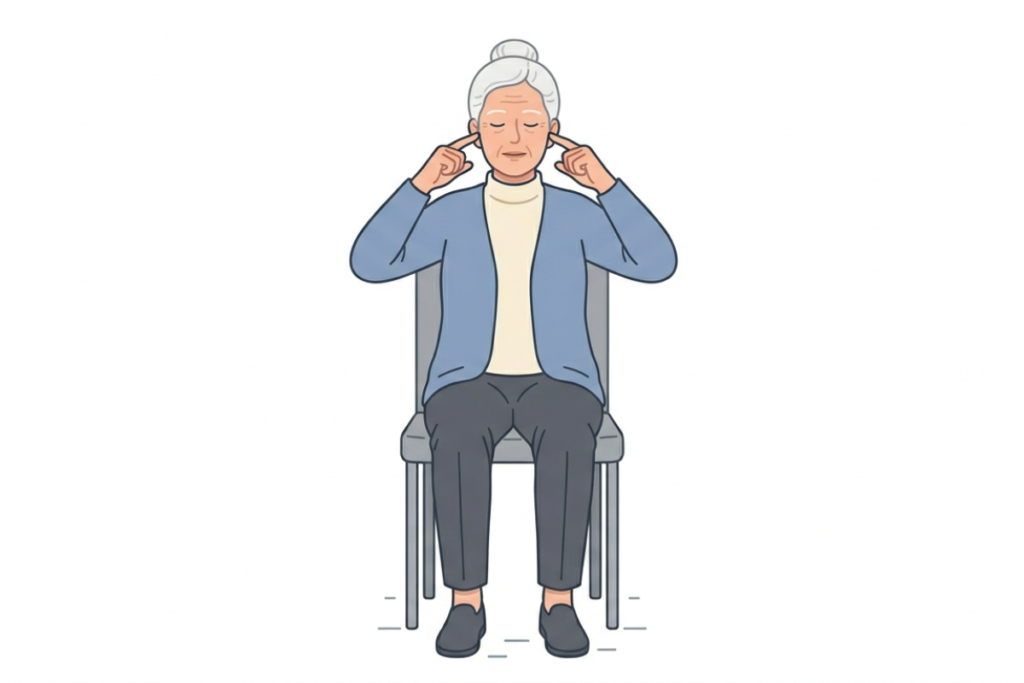
This technique may feel a bit unusual at first, but it is worth trying. The Humming Bee breath uses sound and vibration to calm your nervous system. It is very effective for blocking out noise and quieting your thoughts. If you have a partner who snores, this can also help you focus on your own relaxation.
How to execute the “Bee”:
- Sit comfortably and close your eyes.
- Place your index fingers on the cartilage of your ears (the little “door” that covers the ear canal).
- Take a deep breath in through your nose.
- As you exhale, keep your mouth closed and make a smooth, low-pitched humming sound, like a bee.
- Feel the vibration in your head and chest.
- Continue for 5 to 10 breaths.
The vibration feels soothing and helps your mind relax. It is hard to worry about your to-do list when you focus on this calming sound.
Combining Breath with Gentle Movement
Sometimes our bodies feel restless before we can settle down to breathe. You can combine yoga breathing for sleep with simple chair movements to help loosen your joints.
The Seated Cat-Cow
While sitting, place your hands on your knees. As you inhale, gently arch your back and look slightly upward (the Cow). As you exhale, round your spine and tuck your chin toward your chest (the Cat). Move slowly and match your breath to each movement.
The Neck Noodle
Gently lower your right ear toward your right shoulder as you exhale. Inhale and return to the center. Repeat on the left side. Picture your neck relaxing and becoming loose. This helps release tension from holding your head up throughout the day.
Consistency Over Perfection
The most important thing is that you do not need to do these perfectly to benefit. Some nights, your breathing pattern may be shorter, and that is completely fine. The goal is to be gentle with yourself and give your body a chance to relax.
Try to make this a regular part of your nightly routine, like brushing your teeth. Even five minutes of focused breathing while sitting in your chair before bed can make a big difference in how quickly you fall asleep and how well you rest.
If your mind starts to wander to your to-do list, try not to get frustrated. Notice the thought and gently bring your attention back to your breath. It takes practice to help your mind settle down and focus.
Final Thoughts
Sleeping well is not just a luxury; it is important for staying healthy, happy, and alert as we age. These deep breathing exercises for insomnia can help you feel more in control of your relaxation. The tools you need are always with you.
You do not need to learn every technique right away. Choose one that interests you and try it for a few minutes before bed. Starting with the Balloon Belly is a simple, easy step that requires no equipment, and the reward of better sleep is well worth it.
So, tonight, when you turn off the lights, take a deep breath, find your inner bumblebee or your inner balloon, and let the day’s stress melt away. You have earned a good rest. Sweet dreams!
