
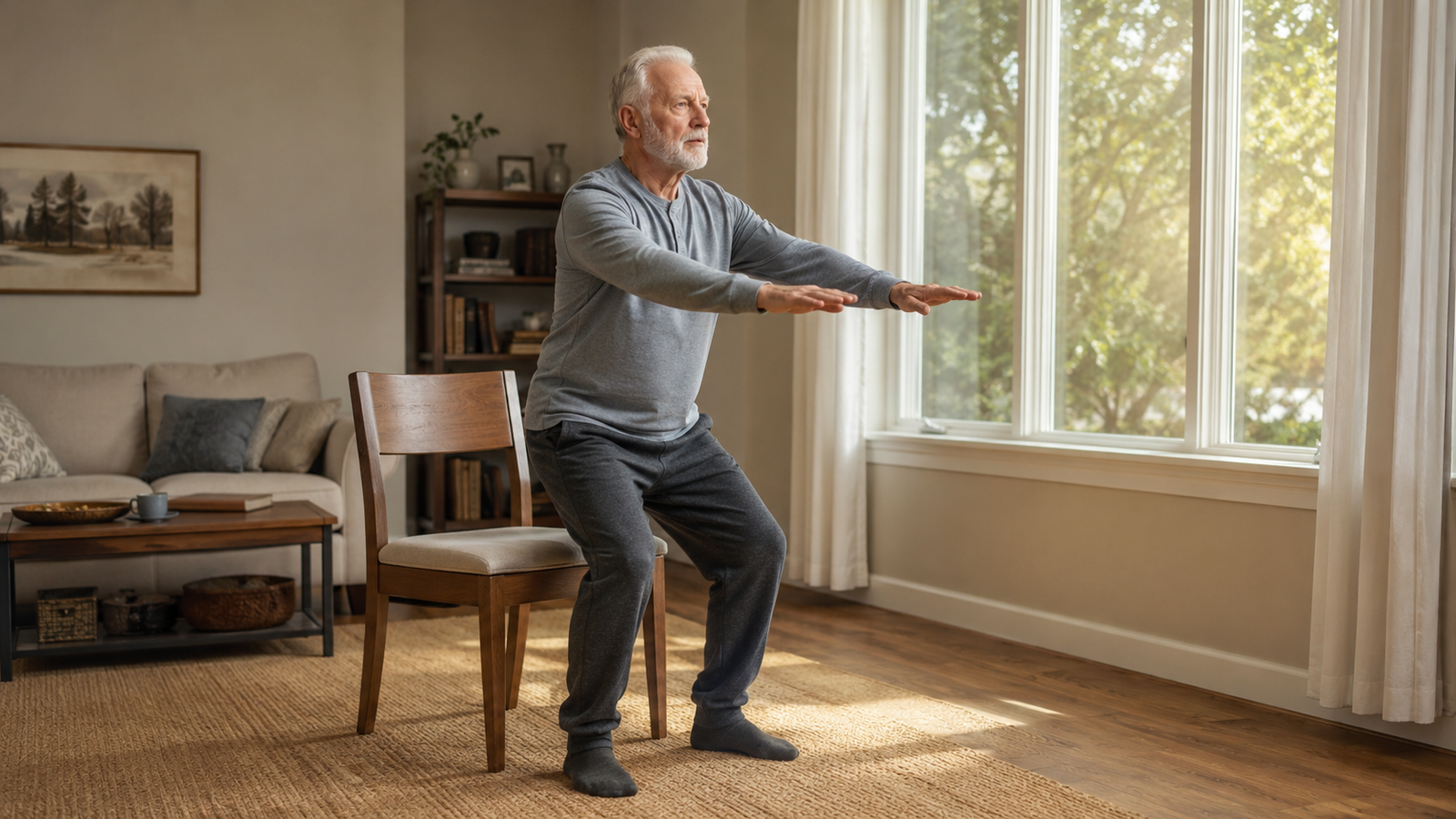
Hello to all the amazing sixty-somethings! Let’s be honest, getting out of bed isn’t as easy as it used to be. Now, it often takes a stretch, a groan, and a hope that your knees stay quiet. If you haven’t exercised in a while, getting back into it can feel overwhelming. If you’re not sure where to begin, start with our guide on restarting exercise after 60. Not only is it safe, but it could be one of the best choices you make for yourself this decade.
Maybe you see fitness influencers doing handstands on the beach and think, “That’s not me.” That’s completely fine! The goal isn’t to win medals—it’s to feel good, stay independent, and handle daily tasks like picking up grandkids or groceries without needing days to recover. The answer to whether it’s safe is yes. It’s safe, smart, and doctors recommend it. The key is to approach it with a little planning.
The “Am I Too Old for This?” Myth
Let’s clear up a common myth: exercise doesn’t have an age limit. Your muscles don’t stop working just because you’ve had more birthdays. Your body is resilient, much like a classic car. It might need more care and a slower start, but it can still go a long way.
Many people over 60 worry about injuries, weak bones, balance, or heart health. These concerns are real, but avoiding exercise can actually make those risks worse. Staying active helps strengthen bones, improve balance, and support heart health. The important thing is to choose the right activities and start slowly.
Listen to Your “Check Engine” Light
At twenty, you might have run five miles on pizza and coffee and felt fine. At sixty, your body gives clearer signals when it needs a break. That twinge in your back or tightness in your hip is your body’s way of saying it’s time to slow down.
It’s important to know the difference between good soreness and bad pain. Good soreness is a dull ache in your muscles a day or two after trying something new, showing your muscles are getting stronger. Bad pain is sharp, stabbing, or in a joint—if you feel that, stop right away. There’s no need to push through pain. Take your time and focus on steady progress.
Step One: The Doctor’s “All Clear”
Before buying new sneakers or a yoga mat, talk to your doctor first. This is like getting a professional check-up for your classic car. Your doctor can help you understand your starting point.
If you have conditions like high blood pressure, arthritis, or heart issues, your doctor will likely give you specific guidelines instead of telling you not to exercise. They may suggest keeping your heart rate in a safe range or avoiding certain movements. Getting this medical approval helps you exercise with confidence.
Why Slow and Steady Wins the Race
There’s a lot of talk about quick fitness transformations, but you don’t need to worry about that. When restarting exercise after 60, it’s best to take it slow. If you haven’t been active for years, even a ten-minute walk is a big achievement.
Start with Small Wins
- Walk to the end of the block and back.
- Stand up and sit down in your chair five times in a row.
- Spend five minutes gently stretching while you watch the news.
These steps may seem small, but they lay the groundwork. You’re helping your brain and muscles reconnect and letting your joints get used to moving again. Most importantly, you’re building a habit without overdoing it.
The Magic of Low-Impact Movement
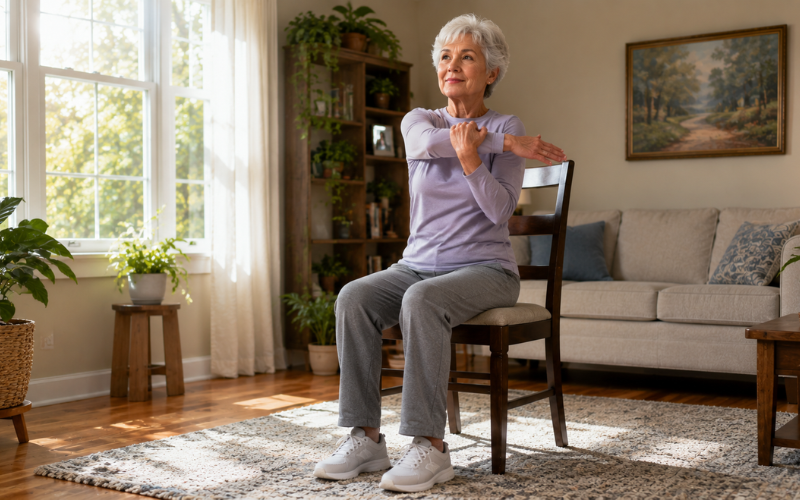
If the idea of a high-intensity aerobics class makes your ankles ache just thinking about it, you are not alone. High-impact exercise, such as jumping or running, can be tough on aging joints. The good news is that low-impact exercise is just as effective for health and longevity.
Chair yoga is a great example. It offers the benefits of yoga (flexibility, strength, and mindfulness) while using a chair for support. This way, you don’t have to worry about getting up from the floor. Other good options are swimming, water aerobics, cycling, or a brisk walk in the park. The idea is to stay supported and reduce impact on your joints.
The Importance of Stability and Balance
As we age, our balance can decline. This happens because the sensors in our joints and muscles that help us stay steady become less responsive. It’s a classic case of “use it or lose it.”
Restarting exercise is a great time to work on stability. Feeling stable helps you feel safe. Try doing exercises near a wall or using a sturdy chair for balance. Focusing on stability lowers your risk of falls, which is key to staying safe while being active.
Hydration and Fuel: The Basics
You wouldn’t drive a car on empty, and your body needs the same care. As we get older, we may not feel thirsty as often, so it’s easy to become dehydrated without noticing.
Drink water throughout the day, not just during exercise. When it comes to food, you don’t need a special diet. Just include some protein and healthy carbs to give your muscles energy and support recovery. Even a banana or a small yogurt before a walk can help you feel better.
Consistency is Your Superpower
If you work out for three hours one day and then can’t move for days, it’s not helpful. The real key is consistency. Doing fifteen minutes of gentle movement daily is much better than two hours once a week.
Consistency helps your body adjust gradually and prevents injuries that can happen when you do too much at once. It’s like brushing your teeth—something you do regularly to stay healthy. When exercise is a normal, low-pressure part of your routine, your body stays safer because it knows what to expect.
Mental Health and the Social Factor
Exercise isn’t just good for your body—it’s good for your mind too. Moving releases endorphins, which help fight stress and lift your mood. Restarting exercise after 60 can really improve your mental well-being.
If you’re nervous about exercising alone, try joining a group. Many community centers offer classes for seniors, such as walking groups or gentle stretching. Being with others makes it more enjoyable, and having a workout buddy adds safety since someone is there to watch out for you.
The Role of Rest and Recovery
When you were younger, your body recovered quickly, often just with sleep. Now, recovery needs to be a planned part of your routine. It takes longer for your muscles to repair and regain energy.
Don’t feel bad about taking rest days—think of them as “growth days.” This is when your body gets stronger. If you’re tired or sore, it’s okay to take it easy. On those days, try gentle breathing exercises instead of walking. Yoga breathing techniques can help you relax and get the quality sleep your body needs to recover.
Setting “Feel-Good” Goals
Don’t focus on the scale. When restarting exercise after 60, the best goals are those that improve00 your daily life.
Examples of Great Goals:
- Being able to reach the top shelf in the kitchen without a struggle.
- Walking the dog for twenty minutes without getting winded.
- Getting through a movie without your legs feeling stiff.
- Improving your balance so you feel confident on uneven pavement.
These are the milestones that truly count. They keep you motivated because you notice the positive changes in your daily life.
Wrap It Up with a Smile
Restarting exercise after 60 isn’t about trying to be younger. It’s about making the most of today and enjoying more adventures, energy, and independence. With your doctor’s approval, 7-Day Restart Guide, and a gradual approach, it’s one of the safest and most rewarding choices you can make.
You don’t have to be perfect or have the newest equipment. Just start. Your body is ready for you to move again. Take a deep breath, roll your shoulders back, and take that first small step—maybe a walk to the mailbox or some gentle stretches in your chair. Whatever you do, celebrate it. You can do this, and your future self will thank you.
