
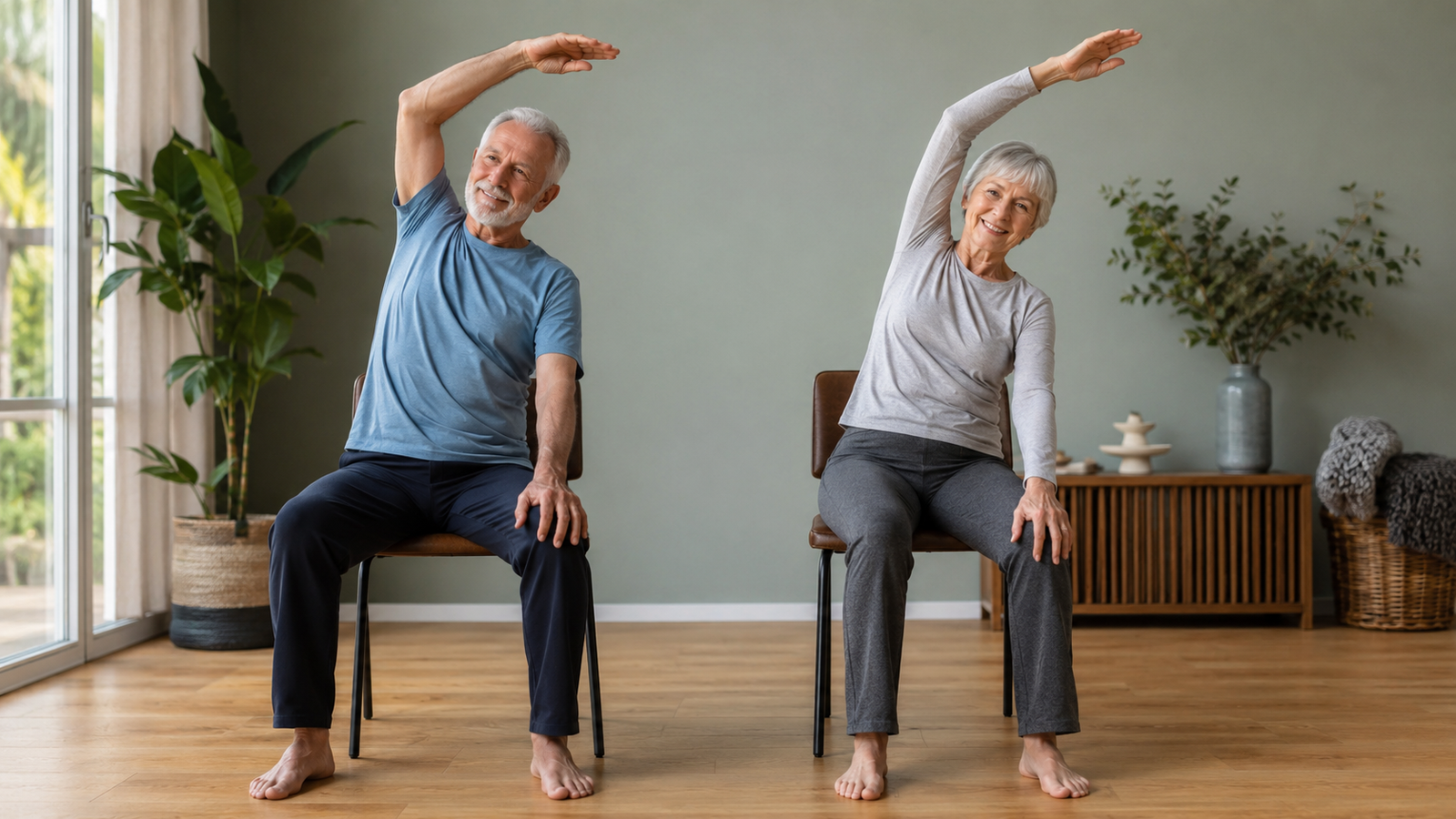
If you grew up hearing “no pain, no gain,” exercising for just five minutes can seem pointless. You might wonder, “What’s the point? By the time I get my sneakers on, the workout is over!” This is a common feeling. If you’re not sure where to start, learn how to restart exercise safely after 60. The truth is, even a small amount of time isn’t enough—it can be the key to a healthier, happier you.
If you have spent years making your recliner your favorite spot, the idea of an hour-long gym session can feel overwhelming. But it’s not needed. Let’s talk about why setting smaller goals is actually the smartest way to improve your fitness.
The Myth of the Marathon Workout
Many of us believe that if we aren’t working out for an hour with someone pushing us, it doesn’t count. That’s simply not true, especially as we get older. After 60, our bodies change. Recovery takes longer, and our joints may start to creak and pop.
If you try to do too much too soon, you often end up injured or discouraged. Starting with five or ten minutes takes the pressure off. It changes exercise from something you dread into a quick, easy habit.
Why Your Brain Loves Small Wins
Have you noticed how easy it is to avoid a big task? If you tell yourself to clean the whole garage, you might end up distracted by something else. But if you plan to organize just one shelf, you’re more likely to get it done.
Exercise works the same way.
1. The Low Barrier to Entry
When a workout only takes ten minutes, you lose your best excuses. “I don’t have time” doesn’t work when the workout is shorter than a commercial break or the time it takes for your coffee to brew.
2. The Dopamine Hit
Your brain doesn’t care if you run a marathon or do ten minutes of chair yoga. What matters is setting a goal and meeting it. Each time you finish those ten minutes, your brain releases dopamine, making you want to do it again.
3. Building the “Identity” of an Athlete
If you exercise for ten minutes every day, you start to see yourself as someone who exercises. This change in how you see yourself is more valuable than any gym membership. It’s the foundation for lasting change.
The Physical Power of the “Micro-Workout”
You might be wondering if ten minutes actually does anything for your heart or your muscles. The science says a resounding yes. Research has shown that short bursts of activity can significantly improve cardiovascular health and blood sugar regulation.
Improved Circulation
Even five minutes of moving your limbs helps get your blood flowing. This brings oxygen to your tissues and helps your heart pump more efficiently without overtaxing your system.
Joint Lubrication
Joints can get stiff if you don’t move them. A few minutes of gentle movement helps keep them flexible by circulating synovial fluid. This can reduce the morning stiffness that many of us experience.
Balance and Stability
Short exercise sessions are great for improving balance. Because you’re not tired, your form is better. Good form leads to better results and lowers your risk of falling.
Overcoming the “It’s Not Enough” Guilt
The biggest enemy of fitness after 60 isn’t age; it is guilt. We feel guilty that we aren’t as fast as we used to be. We feel guilty that we can’t do what the 25-year-old on the TV is doing.
Let’s be clear: doing five minutes of movement is much better than doing none. The biggest health improvement comes from going from nothing to a little bit. Once you’re moving, increasing your activity is a smaller step.
Relatable Realities: Why We Struggle
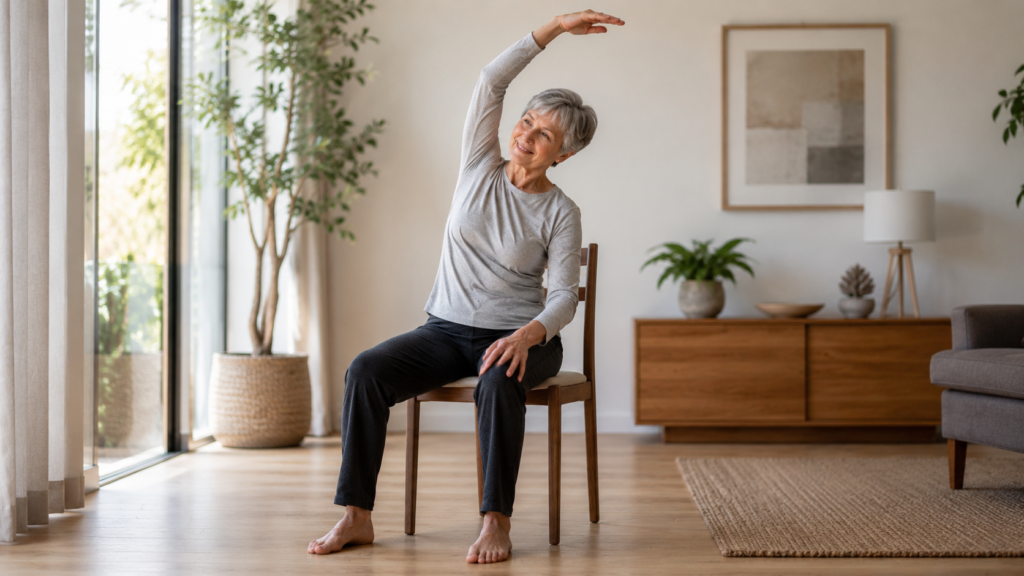
Let’s be honest. Sometimes you want to exercise, but your knees hurt. Or maybe you just feel tired and want to rest.
Restarting exercise after 60 comes with new challenges. You might have aches, a busy schedule with grandkids, or low motivation. By committing to a small amount of time, you respect your current situation. You’re saying, “I care about my health, and I respect my limits.”
Tips for Making Those 10 Minutes Count
- Pick a “Trigger”: Do your ten minutes right after you brush your teeth or while the evening news is on.
- Keep it Simple: You don’t need fancy equipment. Your own body weight or a sturdy chair is plenty.
- Focus on How You Feel: Instead of looking at the clock, notice how your breathing changes or how your muscles feel a bit warmer.
- Celebrate: Seriously. When you finish, give yourself a literal pat on the back. You did the thing!
Small Steps Lead to Big Destinations
Your fitness journey doesn’t need a huge change all at once. Even a small adjustment now can lead to big results over time.
Five to ten minutes may not seem like much, but over weeks and months, it adds up. You’ll notice better mobility, more energy for family, and a higher quality of life.
Why “Starting Small” is the Ultimate Power Move
There is a certain kind of wisdom that comes with age. We know that shortcuts rarely work and that consistency is king. By choosing to start small, you are using that wisdom. You are playing the long game.
You’re not aiming to be a “weekend warrior” who overdoes it and ends up sore. You’re becoming someone who moves every day. That steady routine helps keep you healthy and active, whether you’re dancing, hiking, or playing with your dog.
The Permission to Be a Beginner (Again)
It might feel strange that your workout is now shorter than your old warm-up, but that’s okay. Allow yourself to be a beginner. No one is judging you. There’s no competition—just you, your body, and the ten minutes you’re giving yourself today.
If you have been waiting for a sign to get back into the swing of things, this is it. You don’t need a gym, you don’t need a trainer, and you certainly don’t need an hour of free time. You just need the willingness to move for a few minutes.
Your First Step Today
The best part about a ten-minute goal? You can start right now. Not tomorrow morning. Not next Monday. Right now. If you want extra structure, consider following a 7-Day Restart Guide to kick off your routine. Stand up and stretch your arms overhead. Roll your ankles while sitting in your favorite chair. March in place while the microwave heats. You’re not just passing time; you’re getting your body moving again.
Remember, the goal isn’t perfection. The goal is to be a little more active than you were yesterday. After years of caring for others, it’s time to give yourself ten minutes of care. You deserve it, and your body will thank you.
