
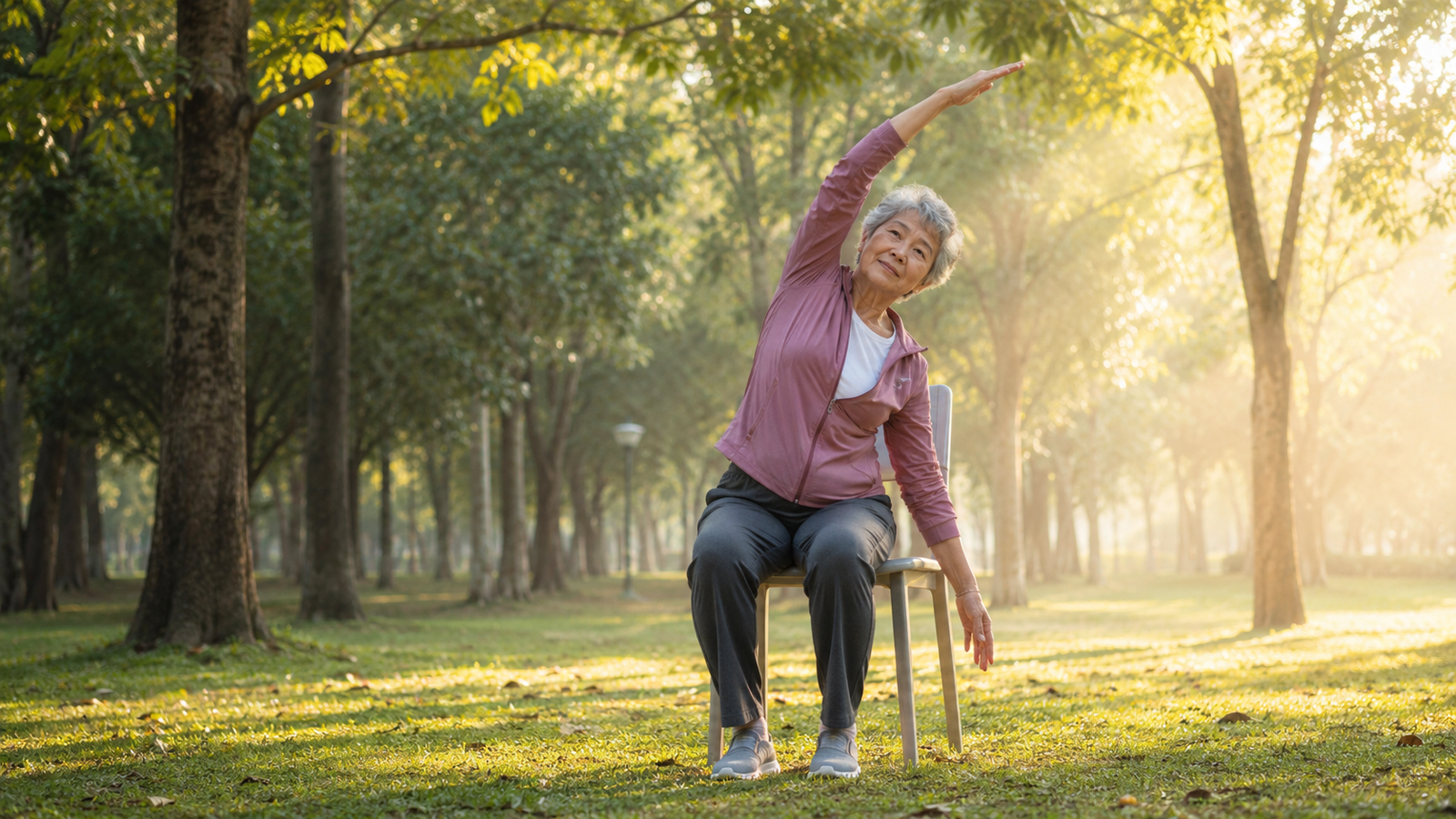
Let’s be honest. If your main exercise lately has been searching for the remote or making a quick trip to the fridge, you’re not alone. Life gets busy. Work, grandkids, or the comfort of a favorite chair can make it easy to stop moving for a while. For seniors who feel hesitant or out of practice, learning how restarting exercise after 60 can help remove fear and uncertainty.
Maybe you remember when you could run a 5K or garden all day without feeling stiff the next morning. Now, exercise might seem intimidating or even a little silly. The good news is your body is forgiving. It doesn’t mind if you spent years watching TV—it’s just waiting for you to get moving again. Think of this guide as your invitation to start.
The Great Mental Dust-Off: It Is Okay to Be a Beginner Again
The hardest part of starting to exercise again is often in your mind. Many of us remember what we could do years ago and expect the same now. When we can’t, it’s easy to feel discouraged before we even begin.
The first step is to give yourself permission to start slow. It’s okay to feel stiff or need a break after a few minutes. Just by reading this, you’ve already taken the hardest step: deciding to try.
Let go of the idea that exercise must be hard or painful. That old saying is outdated. Now, the goal is to move gently and regularly. Think of yourself like a classic car—you wouldn’t race it right away. You’d warm it up first. This guide is your warm-up.
Why Your Body is Asking for a Reboot
You might wonder why you should bother. The sofa is comfortable, and your favorite shows are waiting. But your body is made to move. Even a little activity helps your joints feel better.
When we don’t move much for a long time, our muscles get weak, and our joints stiffen up. That’s why you might feel stiff in the morning. By starting again with gentle exercise, such as chair yoga, you help your body move more easily.
The benefits of a physical reset include:
- Better Balance: Which means fewer “whoopsie” moments when walking on uneven pavement.
- Improved Mood: Moving your body releases chemicals that help you feel better and more relaxed.
- Increased Independence: Being able to do your own grocery shopping or gardening for longer.
- Better Sleep: When you move a bit during the day, it’s easier for your body to rest at night.
The Magic of the Chair: Your Secret Weapon
When people think of yoga or exercise, they often picture someone in a difficult pose on the floor. For many seniors, getting down isn’t the issue—it’s getting back up that’s tough.
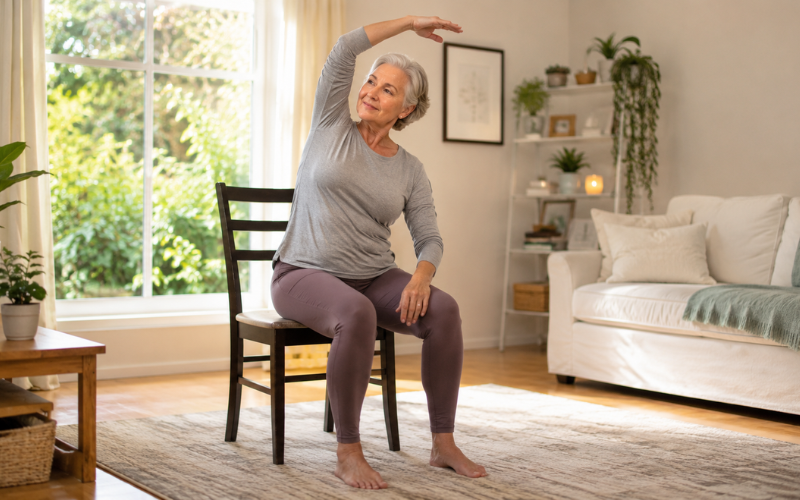
That’s where chair yoga helps. It makes exercise less intimidating. A sturdy chair helps you feel safe and supported. You can stretch, strengthen, and breathe without worrying about getting on the floor. It’s a great way to start moving again.
A chair gives you support and helps you feel safe as you move. Using a chair isn’t cheating—it’s a smart way to focus on your posture and breathing instead of worrying about your knees.
Listening to Your “Check Engine” Light
Before you start moving or digging out your old workout gear, let’s talk about safety. Think of your doctor as the expert who helps keep your body running well.
It’s very important to talk with your doctor before starting to exercise again after a long break. This isn’t just about getting permission—it’s about getting advice. Your doctor can let you know if there are any movements you should avoid because of your health history.
Once your doctor says it’s okay, pay attention to how your body feels. Learn to tell the difference between normal discomfort and pain that means you should stop.
- Good Discomfort: A slight stretch, a feeling of warmth in the muscles, or feeling a bit tired. This is your body waking up.
- Bad Pain: Sharp pain, pinching, dizziness, or anything that makes you hold your breath. If you feel any of these, stop right away. It’s not worth pushing through pain.
Setting the Stage for Success
You don’t need a fancy gym or expensive workout clothes to get started. All you need are a few simple things:
- A Sturdy Chair: Avoid chairs with wheels or flimsy folding chairs. You want something solid with a straight back.
- Comfortable Clothing: Anything you can move in. If that is your favorite pair of pajamas, so be it.
- Hydration: Keep a glass of water nearby. Even gentle movement means you need to stay hydrated.
- A Quiet Space: Set aside ten or fifteen minutes where you won’t be interrupted.
The Power of the Breath
Even if you’re not working out today, let’s talk about your most important tool: your breath. Many people think exercise is all about muscles, but it really starts with your lungs.
When we’re stressed or haven’t exercised in a while, we often breathe shallowly. This can make us feel more anxious and tired. A good way to start is to sit in your chair and practice deep belly breathing.
Breathe in through your nose and let your stomach expand, then breathe out slowly through your mouth. This helps calm your body and gets you ready to move. Many people also find that yoga breathing helps them fall asleep more easily after a day of gentle activity.
Small Steps, Not Giant Leaps
The most common mistake when starting again is doing too much at once. Some people try to exercise for an hour every day, but by midweek, they’re too sore to keep going.
Instead, try the “Five Minute Rule.” Start with just five minutes of sitting up straight and gently moving your joints. If you want to do more, that’s great. If not, you’ve still made progress. Building a habit is about doing it often, not doing it hard.
Celebrate small wins. If you sat up straighter during the news or took a few deep breaths while waiting for the kettle, that counts. These small moments add up and help your body reset over time.
Finding Your Community
You don’t have to go through your 7-Day Restart Guide alone. Whether you’re following the steps at home or joining a chair yoga session online, remember that millions of other seniors are also embracing their own 7-Day Restart Guide. Being part of this “active aging” movement can help keep you motivated and connected.
Share your plans with friends. You might discover your neighbor wants to get moving too. You can encourage each other, even with a simple text: “I did my five minutes today, did you?”
Conclusion: Your Future Self Will Thank You
Starting to exercise again after a long break is a way to care for yourself. It’s a reminder that you’re worth the effort. It doesn’t matter if you can’t touch your toes or only move for a few minutes. What matters is that you’re trying.
Remember, you’re not aiming for a gold medal. You just want to make daily life a bit easier and more enjoyable. The chair is ready, you’re paying attention to your body, and your mindset is moving from “I can’t” to “I’ll try.”
Take one small step today. Maybe just sit in a sturdy chair for a few minutes with your eyes closed, focusing on your breath. That simple action can start a new chapter. You can do this, and we’re cheering you on every step of the way!
