
No one expects to fall. You might be reaching for something on a high shelf, and suddenly you’re checking if you’re okay and hoping no one noticed. Falls are a top cause of injuries for older adults, but the good news is that most falls can be prevented. That’s why fall prevention exercises for seniors are so important.
You don’t need fancy equipment or a personal trainer for these exercises. Think of them as daily vitamins for your balance. Spending just 15-20 minutes a few times a week can really help you feel steadier on your feet.
As we get older, it’s normal for our balance to decline. This isn’t your fault, and it doesn’t mean you’re weak. Your inner ear changes, muscles lose some strength, and reflexes slow down. Just as crossword puzzles keep your mind sharp, the right exercises can help keep your balance strong. Staying on your feet is much better than having to explain a fall to a nurse.
Understanding Fall Risk: You’re Not Alone in This
Before we jump into the exercises, let’s talk about why falls happen in the first place. About one in four Americans aged 65 and older falls each year. That’s a lot of people, which means if you’re worried about falling, you’re in good company.
Common culprits include:
- Weak leg muscles (those quads don’t strengthen themselves)
- Poor balance and coordination
- Vitamin D deficiency (yes, the sunshine vitamin affects your bones and muscles)
- Medications that cause dizziness
- Home hazards like loose rugs or poor lighting
- Vision problems
The good news is that exercise can help with several of these risk factors at the same time. You’ll build strength, improve coordination, and feel more confident.
The Weekly Routine: Your New Balance-Boosting Schedule
Here is a simple, easy-to-follow routine inspired by principles commonly found in a chair yoga book for seniors. Consistency matters far more than intensity, especially as we focus on safe, sustainable movement. It’s much better to practice these senior fall prevention exercises regularly at a comfortable pace than to push too hard and end up sore, discouraged, or tempted to quit altogether.
Monday, Wednesday, Friday: Balance and strength exercises (15-20 minutes)
Tuesday, Thursday: Flexibility and gentle movement (10-15 minutes)
Weekend: Choose to repeat a favorite day or take a well-earned rest.
Always keep a sturdy chair or counter nearby for support. It’s perfectly fine to hold on for balance. Even professional dancers use a barre for support.
Beginner-Friendly Fall Prevention Exercises
Balance Exercises: Teaching Your Body to Stay Centered
1. The Flamingo Stand (Single Leg Balance)
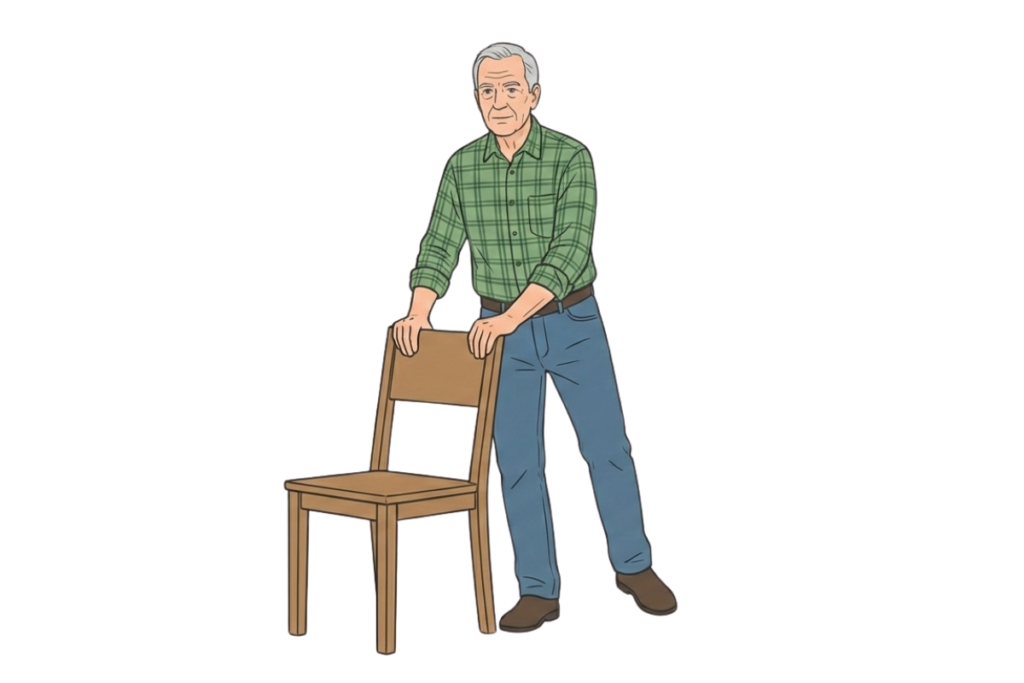
This exercise is just what it sounds like, but without the pink feathers.
Step-by-step:
- Stand behind a sturdy chair and hold onto the back with both hands.
- Lift your left foot off the ground, just a few inches. Don’t worry about going high.
- Hold this position for 10 seconds, or as long as you can while staying steady.
- Lower your foot and repeat with the right leg.
- Do this 3-5 times on each side.
As you get stronger, try holding on with one hand, then just your fingertips, and eventually with no hands. Take your time—there is no need to rush.
2. Heel-to-Toe Walk (The Sobriety Test, But Make It Exercise)
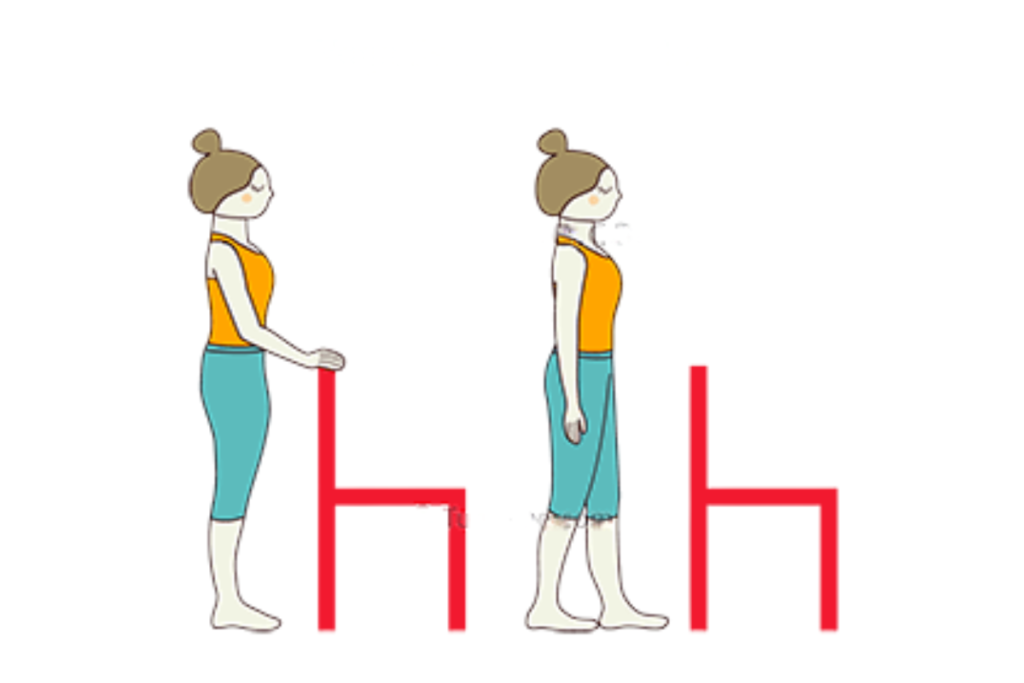
This exercise is similar to the walk sometimes used to test balance, and it is very effective for improving stability.
Step-by-step:
- Position your feet so your right heel touches your left toes.
- Move your left foot forward, placing your left heel directly in front of your right toes.
- Continue walking this way for 20 steps.
- Keep your arms out to the side to help with balance.
- Do this 2-3 times.
Walk in a straight line, such as along the edge of a rug or hallway. You can hold onto a wall for support if needed. The goal is to build balance safely.
3. Weight Shifts (The Gentle Sway)
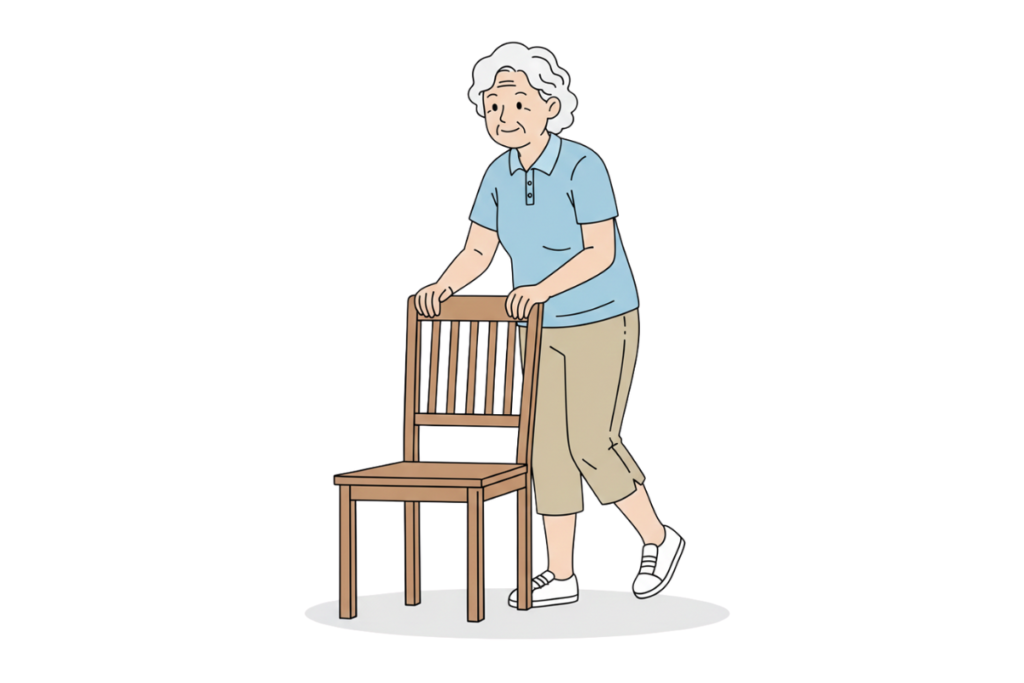
This exercise is very simple, but it is still effective.
Step-by-step:
- Stand behind the chair with your feet hip-width apart.
- Shift your weight to your right foot and slowly lift your left foot off the ground.
- Hold for 10-15 seconds.
- Shift back to center, then shift your weight to your left foot.
- Lift your right foot and hold.
- Repeat 5 times on each side.
This exercise helps your body get used to balancing on one leg, but is easier than the full flamingo stand.
Strength Exercises: Building Your Stability Foundation
4. Chair Squats (Sitting Down, But Make It Fitness)
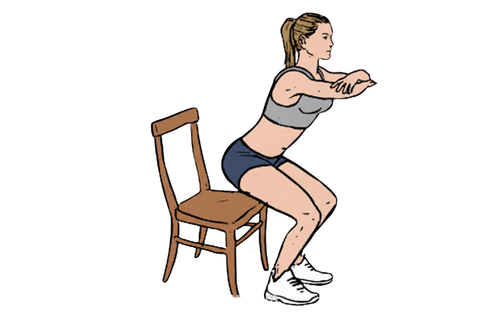
Your legs are your foundation. Strong legs help you maintain better balance and make everyday movements easier.
Step-by-step:
- Stand in front of a sturdy chair with your feet shoulder-width apart.
- Slowly lower yourself as if you’re about to sit down.
- Just before your bottom touches the chair, pause for a second.
- Push through your heels to stand back up.
- Repeat 10-12 times.
If this feels too hard, sit down and stand up fully. If it feels too easy, hold the squat position for a few seconds. Pay attention to how your body feels and adjust as needed.
5. Calf Raises (On Your Tippy Toes)
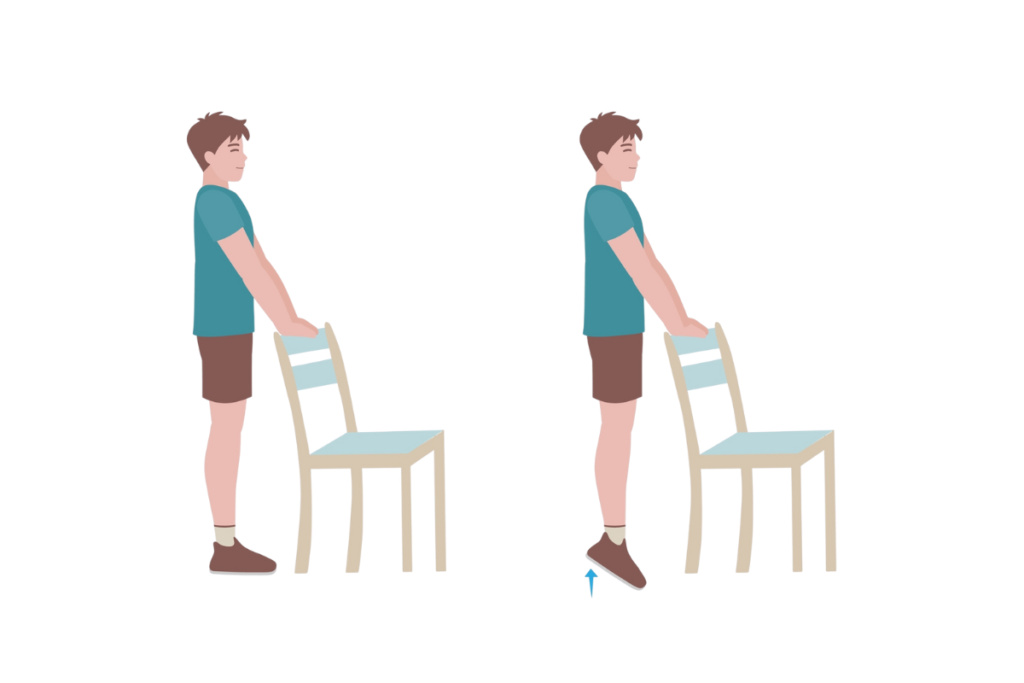
Strong calves help with balance and make climbing stairs easier.
Step-by-step:
- Stand behind a chair, holding the back for support.
- Rise up onto your toes as high as you comfortably can.
- Hold for 2-3 seconds at the top of the movement.
- Slowly lower back down.
- Repeat 10-15 times.
You can do this exercise while waiting for your coffee or during TV commercials.
6. Toe Taps (The Ankle Strengthener)
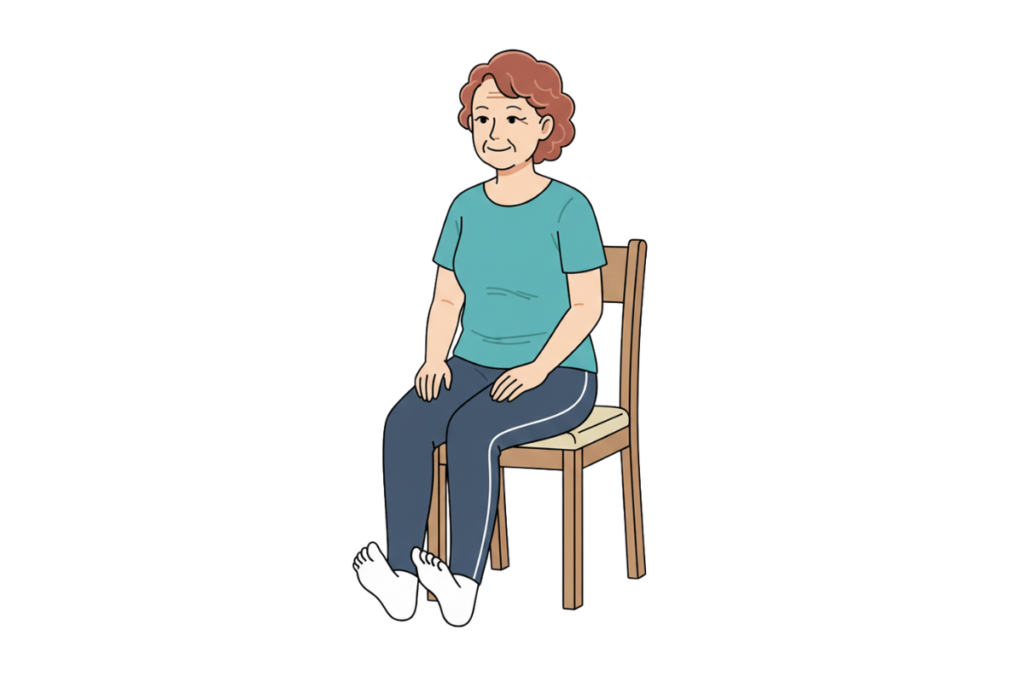
Your ankles are like shock absorbers for your body. Keep them strong and flexible.
Step-by-step:
- Sit in a chair with your feet flat on the floor.
- Keeping your heels on the ground, lift your toes up toward the ceiling.
- Lower them back down.
- Repeat 15-20 times.
Now reverse it:
- Keep your toes on the ground and lift your heels.
- Lower them back down.
- Repeat 15-20 times.
This exercise is easy enough to do while watching TV or reading.
Flexibility and Movement Exercises
7. Ankle Circles (The Figure Skater)
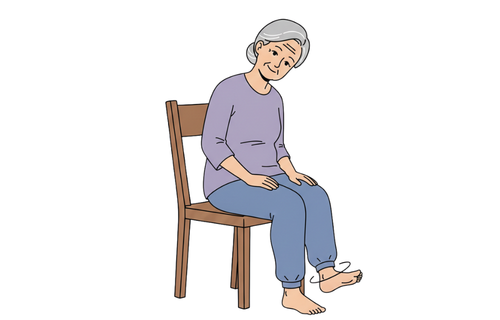
Flexible ankles respond better when you step on uneven surfaces.
Step-by-step:
- Sit on a chair or lie on your back.
- Lift one foot off the ground.
- Rotate your ankle in a clockwise circle 10 times.
- Switch directions and go counterclockwise 10 times.
- Repeat with the other foot.
Make the circles as large as you can without straining. This will help your ankles respond better to uneven surfaces.
8. Seated Marches (Moving Without Going Anywhere)
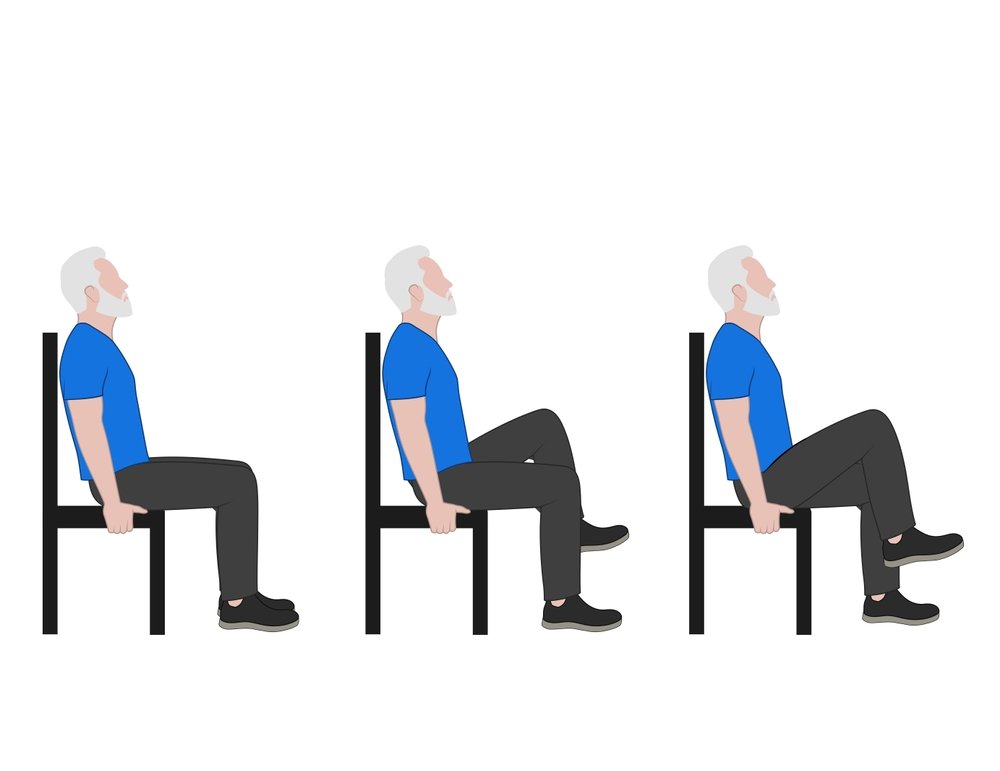
This warms up your hips and gets your blood flowing.
Step-by-step:
- Sit tall in a sturdy chair.
- Lift your right knee as high as comfortable.
- Lower it back down.
- Lift your left knee.
- Continue alternating for 20-30 marches total.
You can add arm swings if you want to increase the challenge.
Safety Tips: Because We’re Trying to Prevent Falls, Not Cause Them
Before you start your new routine, keep these safety tips in mind:
- Always have something sturdy nearby to grab if you lose balance.
- Wear supportive, non-slip shoes. Avoid wearing only socks on smooth floors, as this can be unsafe.
- Stay hydrated. Dehydration can cause dizziness.
- Never exercise if you’re feeling dizzy, lightheaded, or unwell.
- Start slowly. Improving your balance takes time, so be patient with yourself.
- Talk to your doctor before starting any new exercise routine, especially if you have existing health conditions.
Frequently Asked Questions
How long before I notice improvements in my balance?
Most people notice small improvements within 2-4 weeks of consistent practice. You might find yourself feeling steadier when walking or more confident on uneven surfaces. Big improvements typically come after 8-12 weeks. Patience is key.
Can I do these exercises every day?
You can, but your muscles also need rest days to recover and get stronger. Aim for 3-5 days per week. On rest days, gentle stretching or a leisurely walk is perfect.
What if I’ve already fallen before?
All the more reason to start these exercises. Many people who’ve fallen develop a fear of falling again, which can lead to reduced activity and, in turn, increase fall risk. These exercises can rebuild your confidence and strength. Just go at your own pace and always prioritize safety.
Final Thoughts
Fall prevention exercises may not be exciting or popular, and you might not even break a sweat. However, they can help you stay independent, active, and free from injury for years. That is much more valuable than having six-pack abs at this stage of life.
You do not need to be perfect or have expensive equipment. Simply do your best a few times a week. Start with one or two exercises that feel comfortable. Use a chair for support if needed, and take breaks when necessary.
By practicing these recommended senior exercise routines, you will become more confident walking on slippery sidewalks and reaching for items on high shelves. Start today by grabbing a chair and taking your first step toward better balance and confidence.