
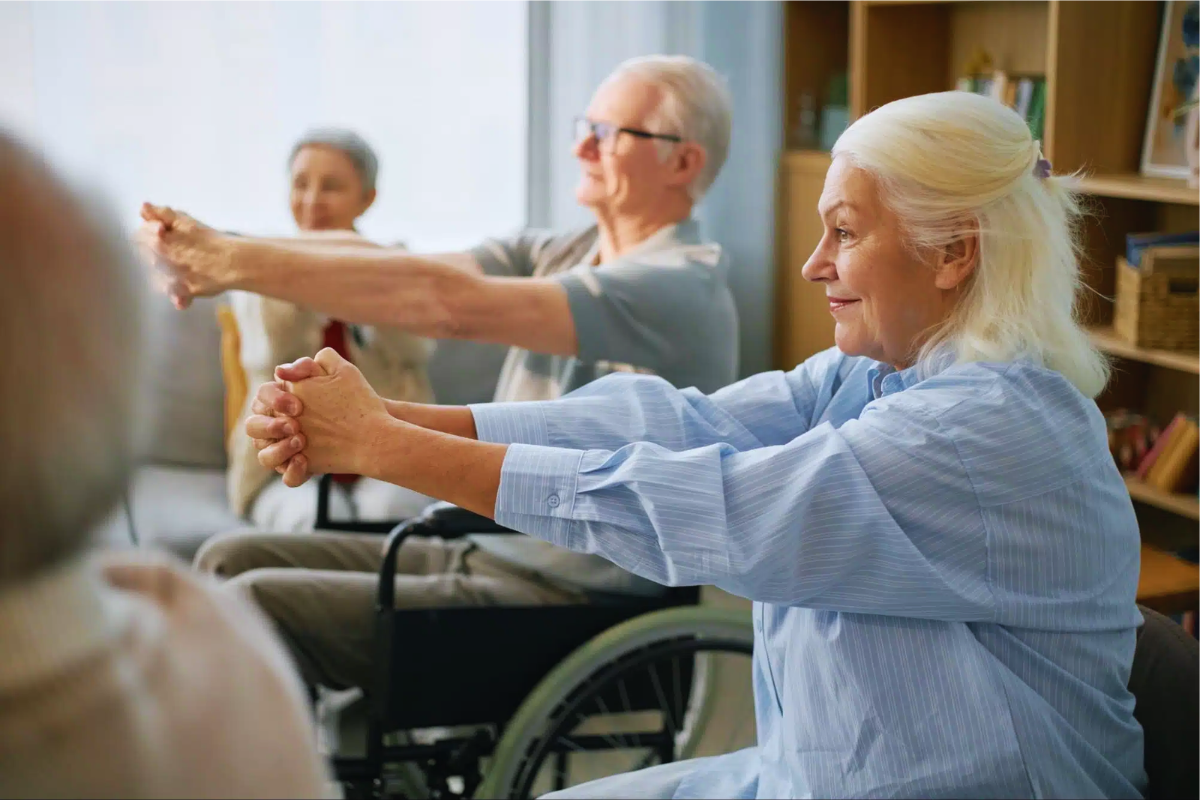
As we get older, our joints can start to creak and pop more than we’d like. One day, you’re moving easily, and the next, you might hear a squeak just reaching for something on a high shelf. If you’ve noticed your range of motion isn’t what it used to be, you’re not alone—and you’re definitely not “out of the game.” Adding a few simple exercises for seniors with limited mobility to your daily routine can really improve how you feel, how you move, and how much energy you have for the grandkids or even the cat.
The best part is you don’t need a gym membership, special clothes, or a personal trainer to get started. All you need is a sturdy chair, some space, and a positive attitude. This guide meets you right where you are. Whether you have arthritis, are recovering from surgery, or just feel a bit stiff, these chair exercises are safe, effective, and even enjoyable.
Why Chair Yoga and Seated Movement Matter
Movement keeps our bodies working smoothly. Without it, things can get stiff. For older adults, staying active isn’t about running marathons—unless you want to! It’s about keeping your independence, like tying your shoes easily or reaching into the cupboard without help.
Chair yoga gives you a stable base, so you don’t have to worry about falling like with standing exercises. You can focus on stretching and breathing rather than on your balance. It’s gentle, effective, and easy to do right in your living room—even during TV commercials.
Getting Ready for Your Home Session
Before starting, let’s do a quick safety check. Choose a sturdy, flat chair. Avoid chairs with wheels or very soft armchairs. A regular dining chair or folding chair is usually best.
Wear comfortable clothes that let you move easily. Pajamas are fine—this is your gym. Keep water nearby, and most importantly, listen to your body. If a move feels like a gentle stretch, that’s good. If it hurts or feels sharp, stop right away. The goal is progress, not pushing through pain.
Gentle Upper Body Warm-Ups
The “Looking Around” Neck Stretch
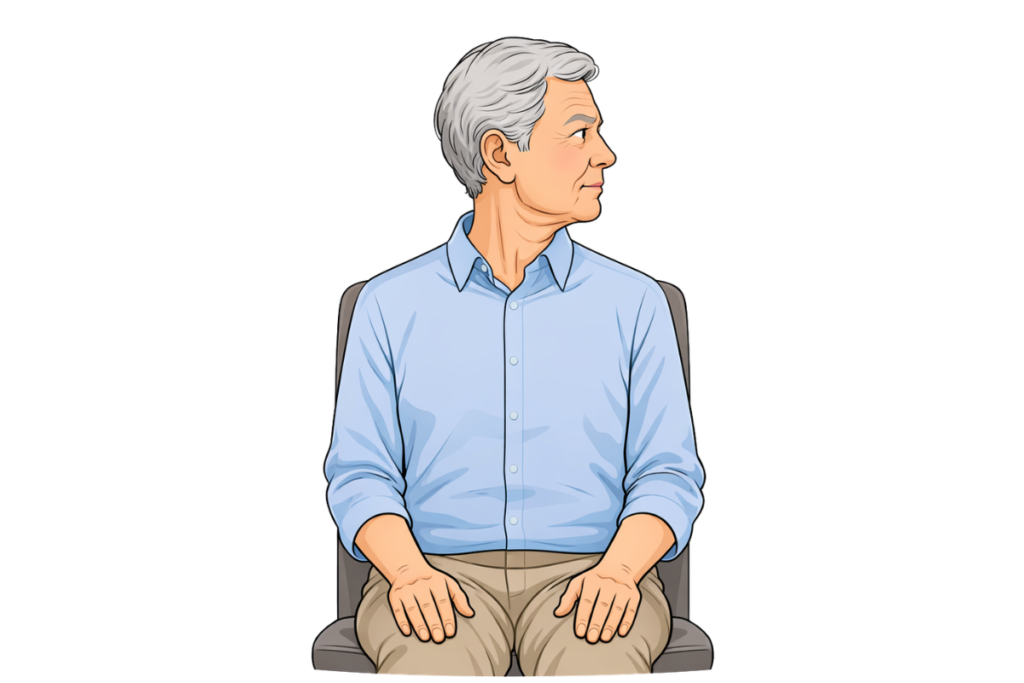
Let’s start at the top. We carry a lot of tension in our necks, especially when we read or look down at our phones.
- Sit up tall with your feet flat on the floor.
- Slowly turn your head to the right as if you’re trying to see who just walked into the room.
- Hold for three breaths.
- Slowly turn back to the center and then repeat on the left side.
- Do this three times on each side.
Shoulder Shrug
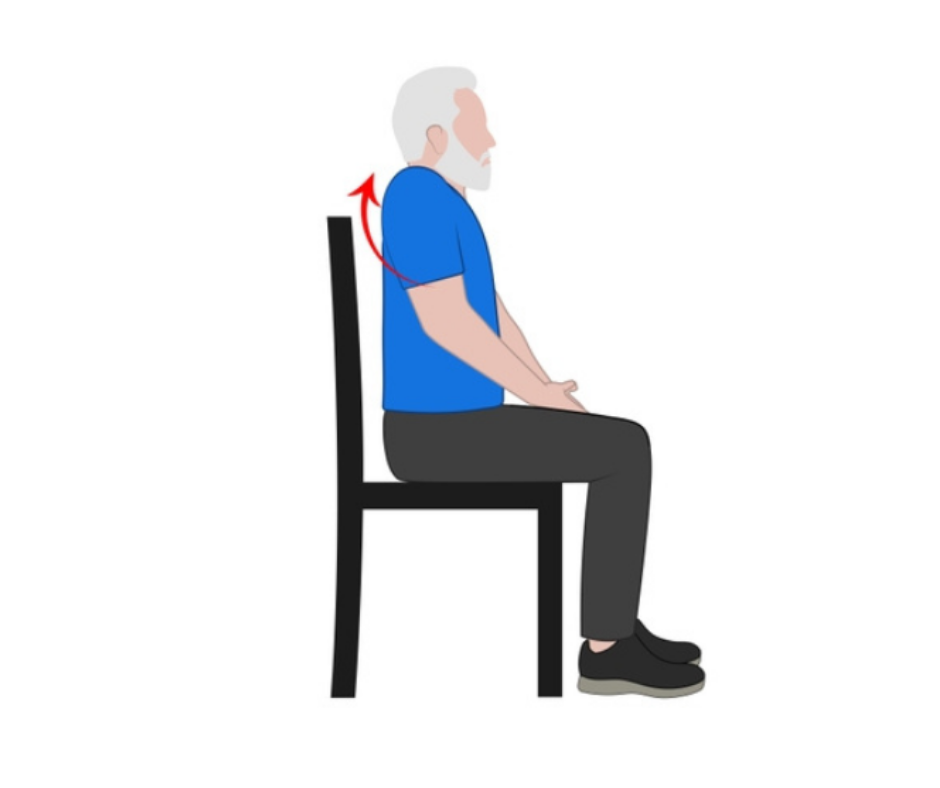
This is one time when being indifferent is good for you. This move helps release tension from your upper back.
- Inhale deeply and lift your shoulders up toward your ears.
- Try to touch your earlobes with your shoulders.
- Hold for a second, then exhale loudly and let them drop completely.
- Repeat five times. Imagine you are saying “I don’t know” to a very difficult question.
Seated Arm Circles
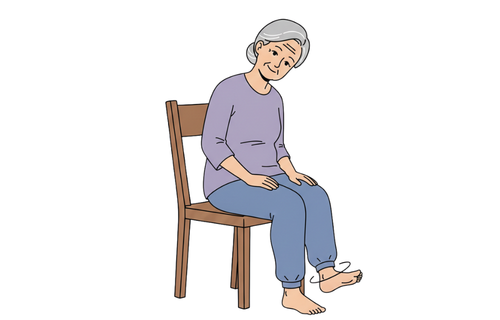
This move helps loosen your shoulders and improves circulation.
- Extend your arms out to the sides like airplane wings (if space allows) or place your hands on your shoulders.
- Make small, slow circles in the air with your fingertips.
- After ten circles, switch directions.
- Keep your circles small at first, then make them slightly larger if it feels comfortable.
Core and Torso Strength
The “Remote Control” Side Stretch
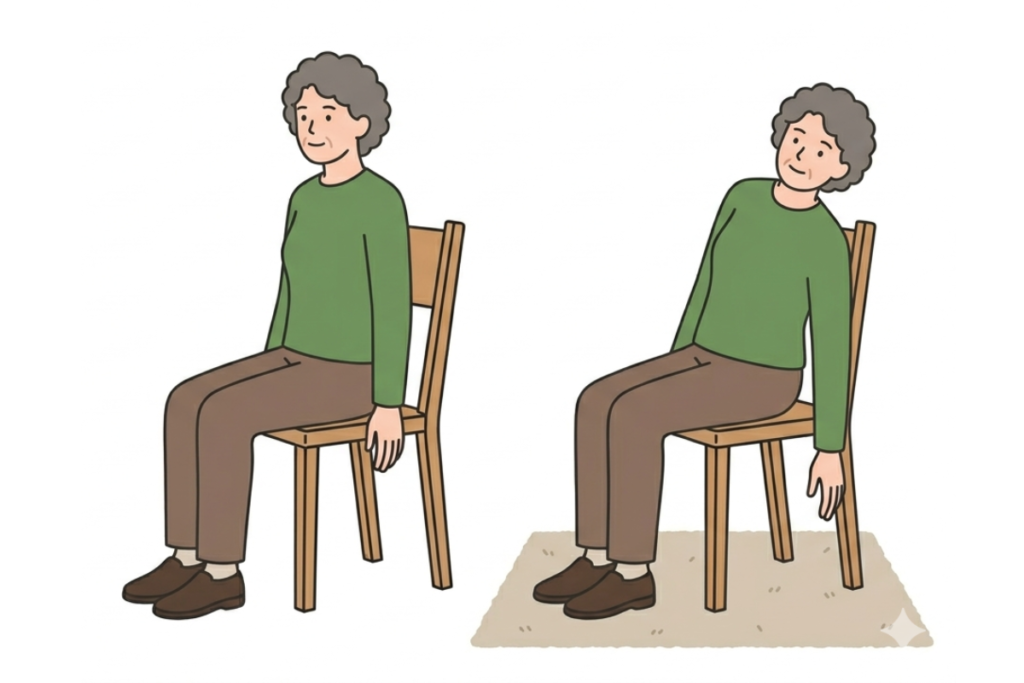
If you’ve ever had to lean over to pick up the remote, this move will help you get ready for moments like that.
- Sit toward the front of your chair.
- Let your right arm hang down toward the floor.
- Slowly lean to the right, reaching your hand toward the carpet.
- Keep both “sit bones” firmly planted on the chair.
- Come back to the center and repeat on the left side.
- This strengthens the sides of your torso and keeps your spine flexible.
Seated Twist
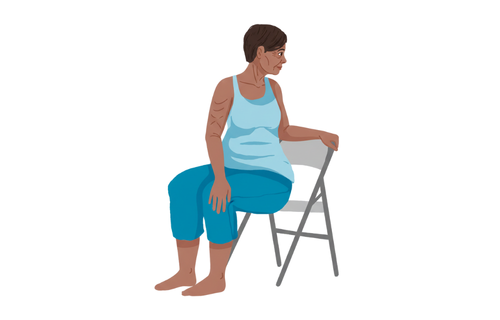
This move is great for digestion and spinal health. It gently stretches and twists your back.
- Place your right hand on your left knee.
- Place your left hand on the back or side of the chair.
- Slowly rotate your torso to look over your left shoulder.
- Take two deep breaths, feeling your spine lengthen.
- Untwist slowly and repeat on the other side.
Seated Cat-Cow
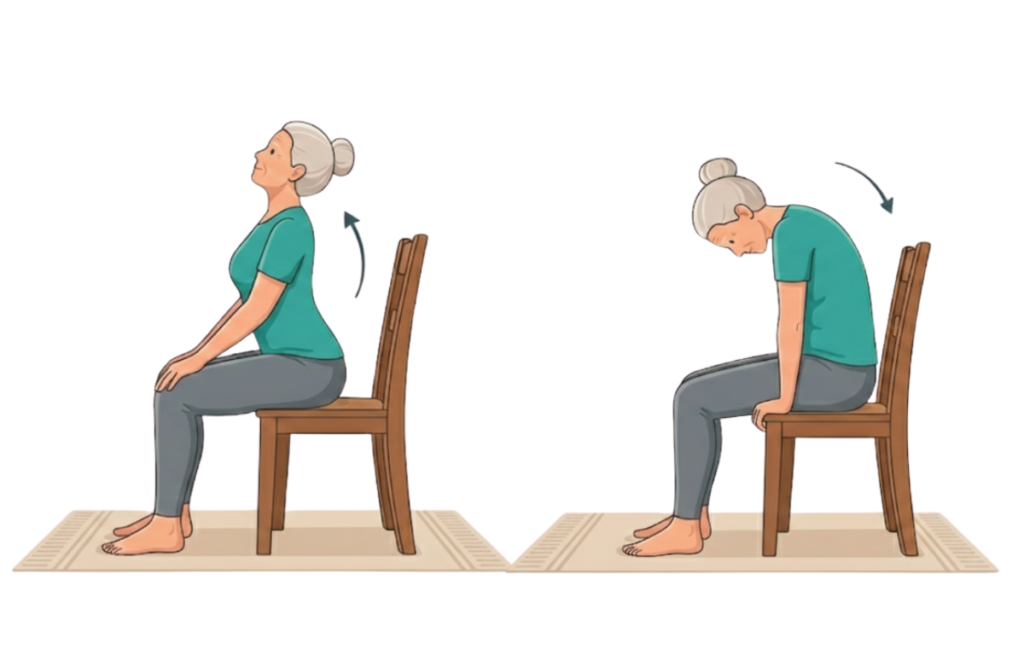
This is a classic yoga move adapted for the chair. It helps move the entire spine.
- Place your hands on your knees.
- As you inhale, lift your chest and look slightly upward (Cow pose).
- As you exhale, round your back and tuck your chin toward your chest (Cat pose).
- Follow your breath for five rounds. You should feel a gentle movement through your back.
Lower Body and Leg Mobility
Seated Leg Extensions
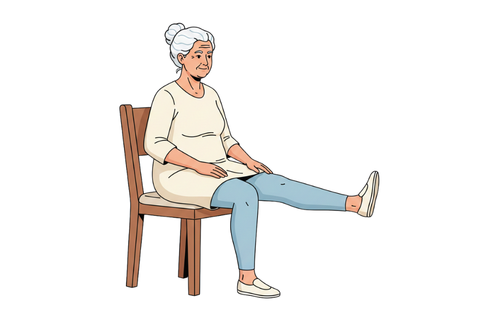
Strong legs help you get out of chairs and cars more easily. This move strengthens your thigh muscles.
- Sit tall and hold the sides of the chair for support.
- Straighten your right leg out in front of you.
- Flex your toes toward your face.
- Hold for three seconds, then slowly lower it back down.
- Repeat ten times before switching to the left leg.
Ankle Alphabet
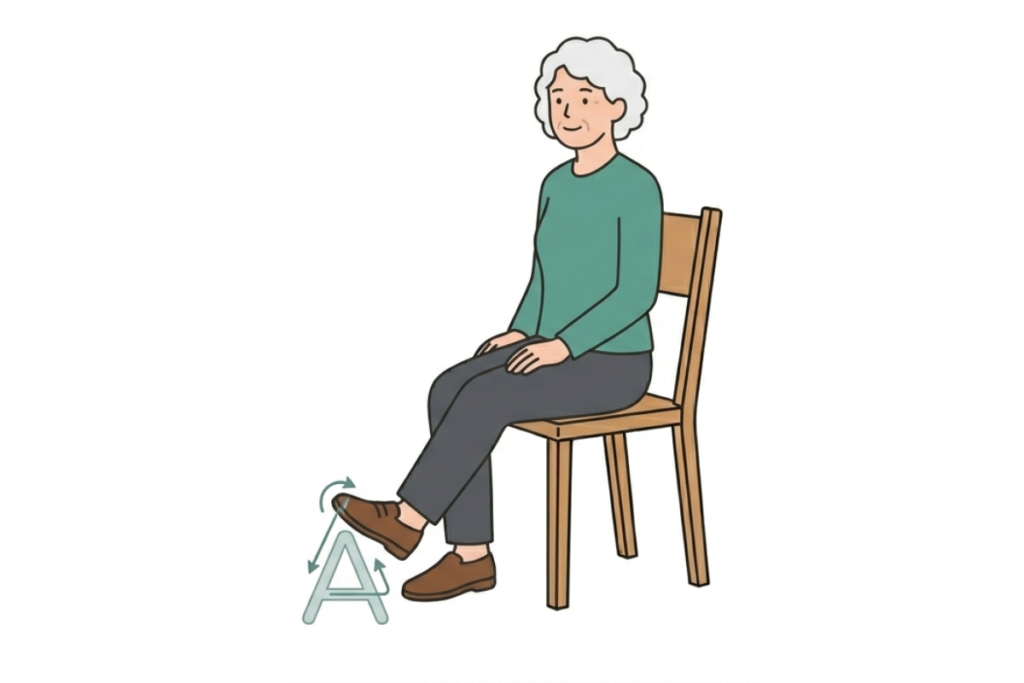
Ankles can become stiff, affecting your balance. These exercises help keep them flexible.
- Lift your right foot off the floor.
- Use your big toe as a “pen” and draw the letters of the alphabet in the air.
- Try to get through A to M, then switch feet and finish N through Z.
- If you get tired, just do the vowels!
Seated Knee-to-Chest
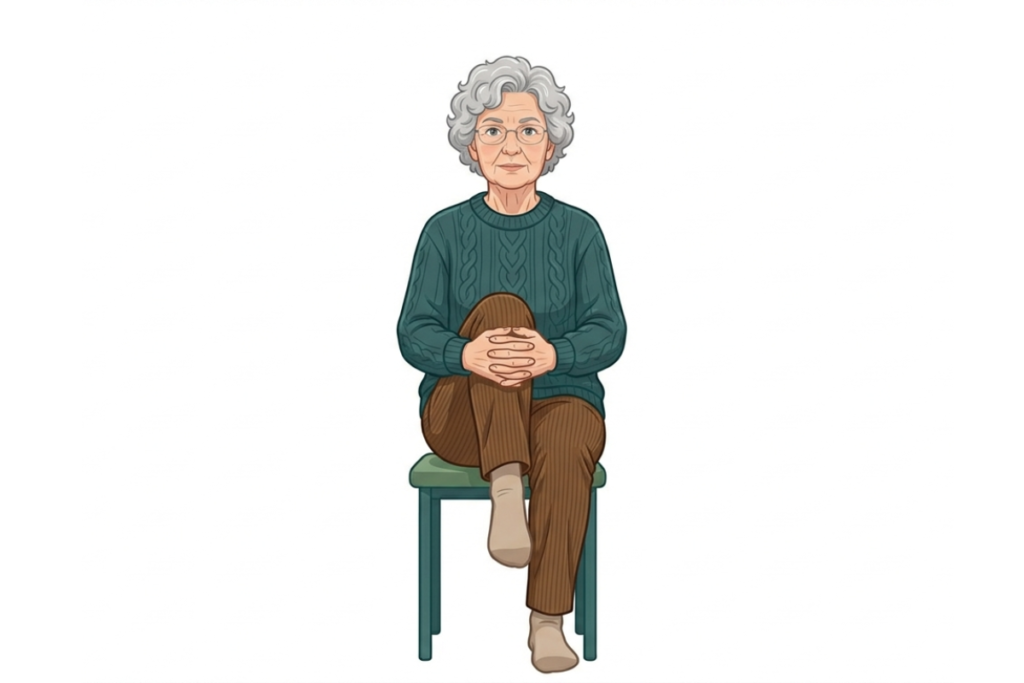
This move improves hip flexibility and can help relieve pressure in your lower back.
- Interlace your fingers around your right shin or behind your right thigh.
- Gently hug your knee toward your chest as far as is comfortable.
- Hold for a few breaths, then lower it slowly.
- Repeat with the left leg.
Hand and Wrist Health
The Piano Player
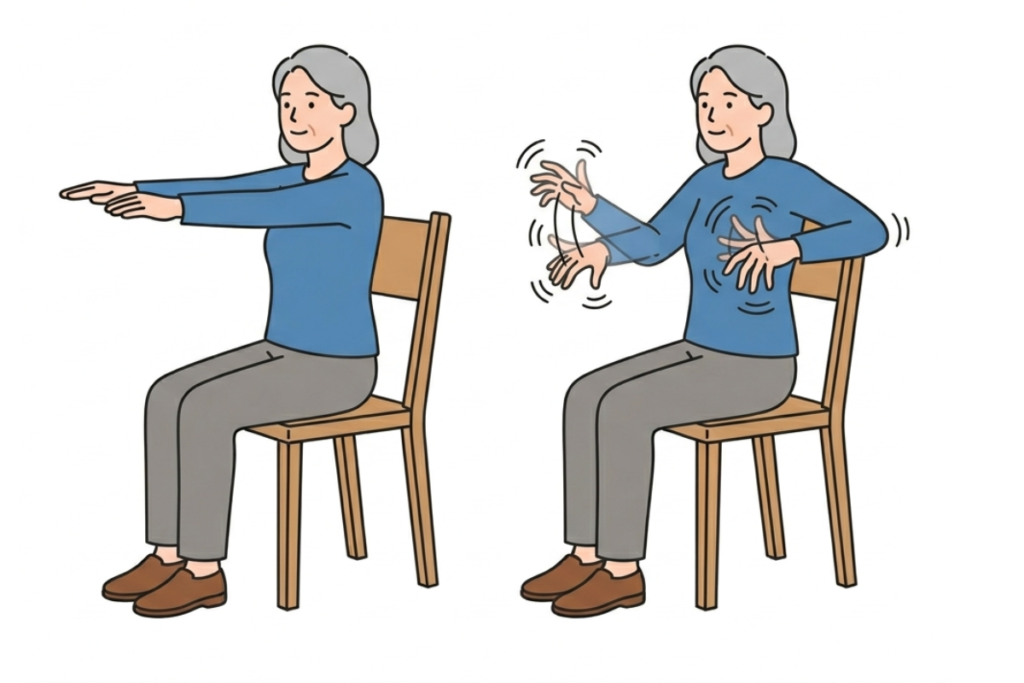
Arthritis often affects the hands first. Moving your fingers helps keep them flexible for activities like knitting or gardening.
- Extend your arms in front of you.
- Wiggle your fingers vigorously as if you are playing a very fast, very dramatic piano concerto.
- Do this for 30 seconds.
- Then, make a tight fist and spread your fingers as wide as possible. Repeat five times.
Wrist Rolls
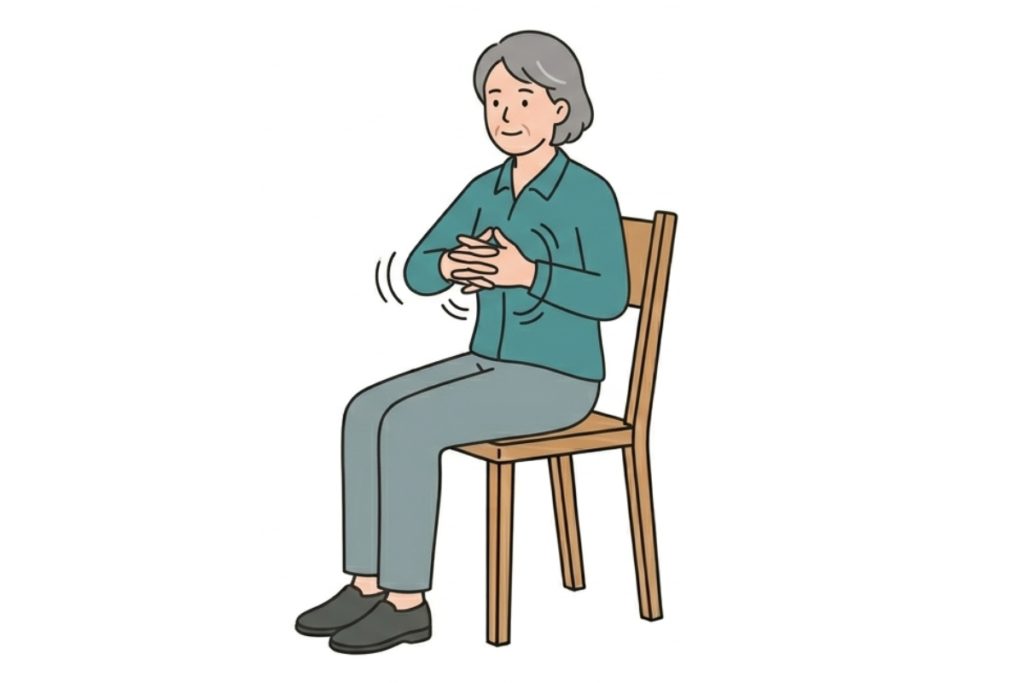
If you spend time using a computer or holding a book, it’s important to give your wrists a break.
- Bring your hands together and interlace your fingers.
- Roll your wrists around in circles, keeping your hands joined.
- Go clockwise for ten seconds, then counter-clockwise.
Gentle Full-Body Integration
Seated Sun Salutation
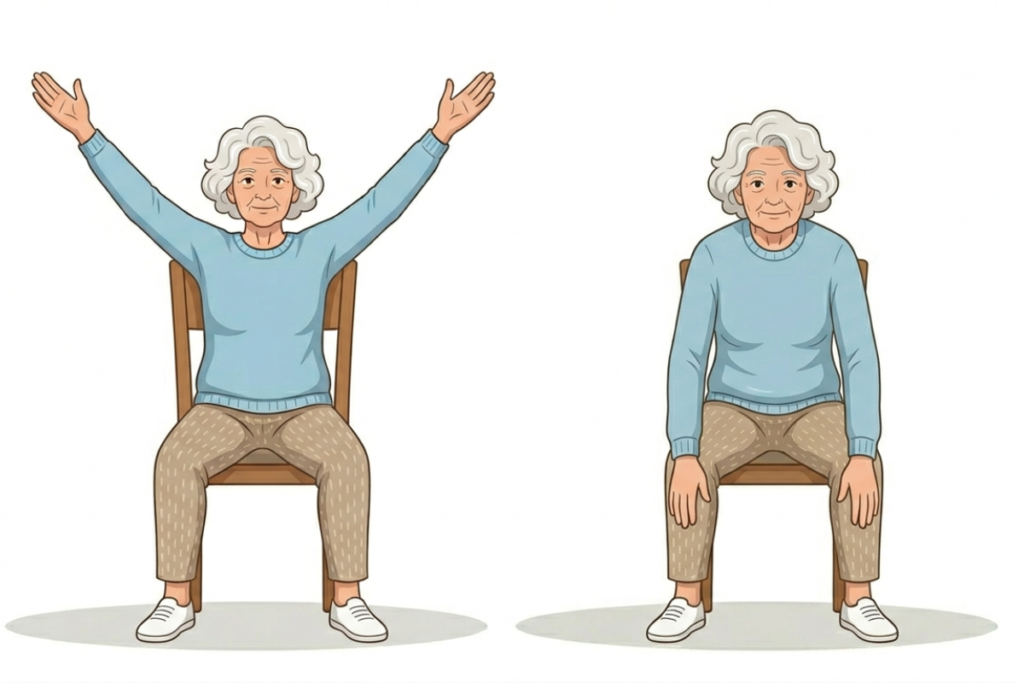
This is a gentle version of a standard yoga flow. It can help raise your heart rate a little.
- Inhale and raise your arms toward the ceiling (or as high as they can go).
- Exhale and lean forward slightly, placing your hands on your knees or shins.
- Inhale, sit back up tall.
- Exhale, relax your shoulders.
- Repeat this flow three times to feel energized.
The “High Five” Chest Opener
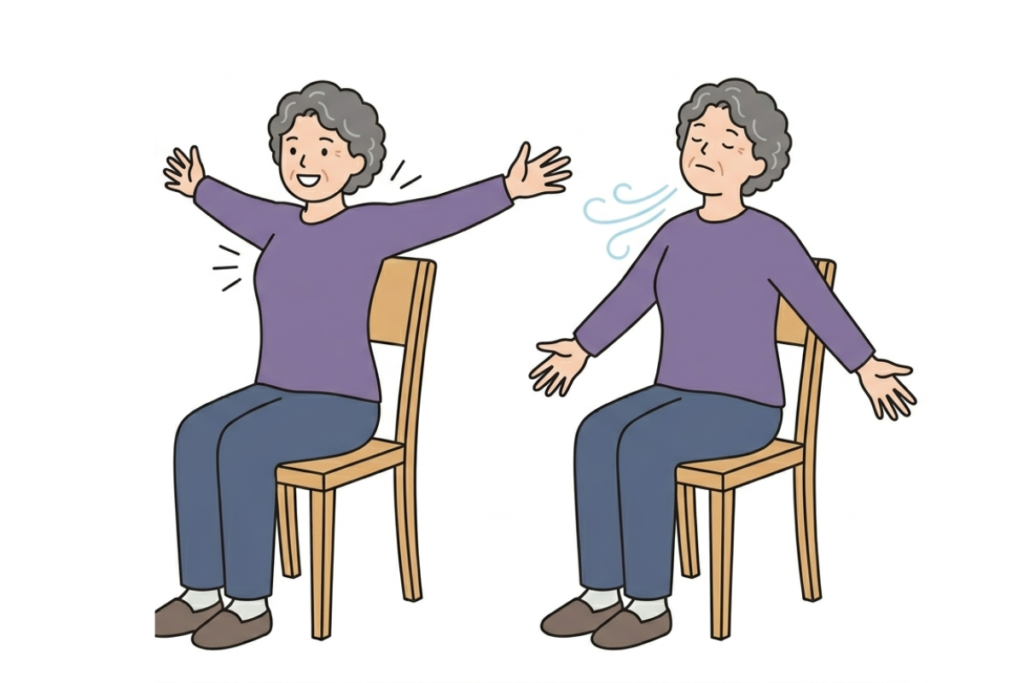
Many people start to slouch as they get older. This move helps improve your posture and realigns your body.
- Reach your arms out wide like you are going to give someone a giant hug.
- Pull your shoulder blades together behind you.
- Lift your chin and take a big breath into your chest.
- Release and give yourself a literal pat on the back for doing this workout.
Heel-Toe Raises
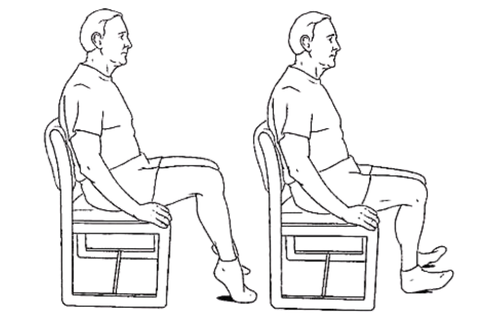
This is excellent for circulation in the lower legs and for strengthening the calves.
- While seated, lift your heels off the ground so you are on your tiptoes.
- Lower your heels and lift your toes toward the ceiling.
- Rock back and forth between heels and toes twenty times.
The Final Centering Breath
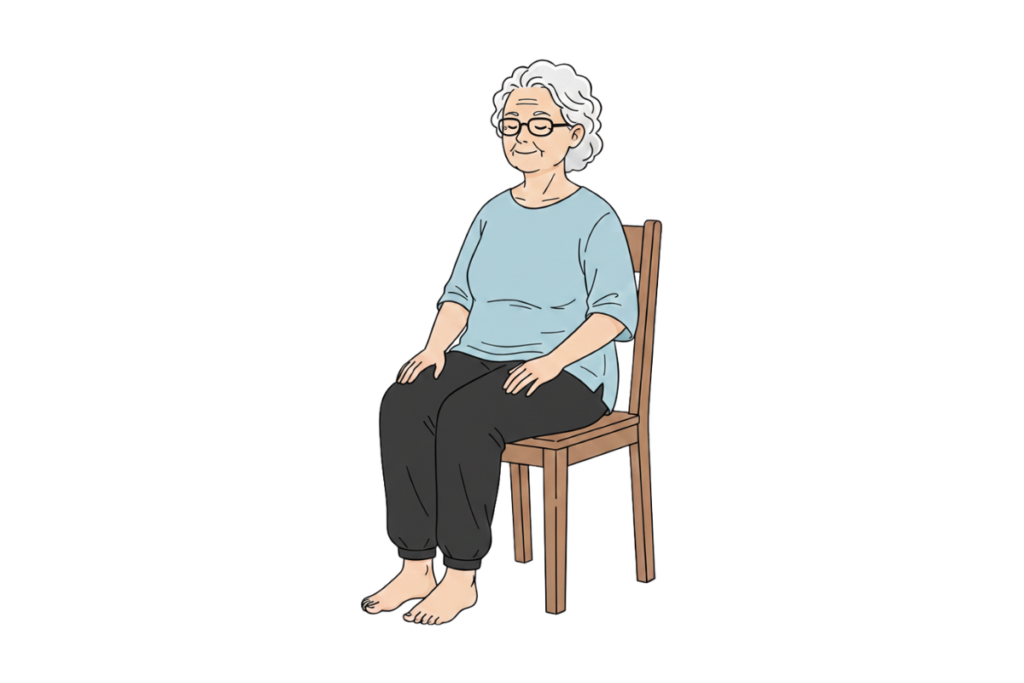
It’s helpful to end every workout with a moment of calm.
- Close your eyes or look softly at the floor.
- Place your hands on your belly or thighs.
- Take five deep breaths, feeling your belly expand and contract.
- Take a moment to appreciate the effort you put in for your health.
Consistency Over Perfection
You don’t have to do all fifteen workouts for seniors with mobility issues every day. If you only have five minutes, just choose three. You can do neck stretches while waiting for the kettle to boil or leg extensions while watching the news.
The key to feeling better isn’t a long workout once in a while—it’s doing five or ten minutes of movement most days. Don’t worry if you’re not as flexible as someone in a yoga magazine. If you can move a little more today than yesterday, that’s a big achievement. Celebrate your progress.
Final Thoughts
You don’t need to change everything at once. Just pick one move from this list and try it now. It could be the neck stretch or a few shoulder shrugs. Even one small movement shows your body you care and want to feel better.
Remember, limited mobility doesn’t mean you can’t move at all. You still have strength and resilience. Sit up tall, take a deep breath, and try one of these moves. Your joints will feel better, your mood will improve, and you may find more energy tomorrow. You can do this!
