


You’ve decided to try chair yoga—great choice! But not every program called “chair yoga” is truly beginner-friendly. If we could already touch our toes or balance on one leg, we probably wouldn’t be searching for chair yoga reviews, would we?
The good news is that once you know what to look for, finding a helpful and accessible chair yoga program is very possible. This guide will show you how to tell the difference between programs that fit your needs and those that might leave you frustrated or sore.
Let’s find the right program for you without wasting time or risking injury.
Why Chair Yoga Reviews Matter More Than You Think
Reading chair yoga reviews is like checking restaurant reviews before trying a new spot. You wouldn’t want to expect comfort food and get something completely different. The same idea applies here.
A good review tells you:
- Whether the instructor actually demonstrates modifications
- If the pace is realistic for beginners
- How clearly instructions are given
- Whether you’ll need any extra props
- If the program gradually builds your confidence
Checking out feedback from real users can make a big difference, especially if you’re looking for guidance suited to your age and fitness level. A chair yoga book for seniors, paired with honest chair yoga reviews, helps you separate programs that are truly gentle from those that make claims but end up feeling too challenging.
Red Flags: Signs a Chair Yoga Program Might Be Too Hard

The Instructor Moves Like a Pretzel
Start by watching a preview or free class. If the instructor is moving into poses that seem to need years of yoga experience, consider that a warning sign. Good chair yoga instructors show movements at a realistic level and demonstrate what they should look like for most people.
Vague Instructions
Instructions like “Just reach up and feel the stretch” aren’t helpful if you don’t know which arm to use, how high to reach, or what you should feel. Good programs give clear, step-by-step directions, such as “Place your right hand on your left knee, sit up tall, and gently twist to the left.”
No Modifications Offered
A key point: if the instructor doesn’t offer easier options, it’s best to move on. Everyone’s body is different, and what works for one person might not work for another. The best programs say things like “If this feels like too much, try this instead.”
They Rush Through Everything
Chair yoga shouldn’t feel like you’re racing through an aerobics class. If you often feel left behind or rushed, the program may not be considering the pace beginners need.
Reviews Mention Pain or Injury
If several chair yoga program reviews mention feeling worse after class or getting injured, take those comments seriously. Chair yoga should help you feel better, not worse.
Green Flags: What Makes a Chair Yoga Program Actually Good
Warm, Clear Communication
The best instructors speak in a friendly way, not as if they’re reading from a script. They explain why you’re doing each movement and often remind you to listen to your body.
Focus on Breathing
Good programs focus on breathing and remind you that it’s more important than achieving a perfect pose. If you notice you’re holding your breath, you may be pushing too hard.
Realistic Expectations
Good instructors are honest about what you can expect. They won’t promise quick results, but they will help you feel better, stronger, and more flexible as time goes on.
Positive, Beginner-Focused Reviews
Look for reviews that say things like:
- “I’ve never done yoga before, and this was perfect.”
- “The instructor really understands limitations.”
- “I actually feel better after class, not exhausted.”
- “Finally, a program that doesn’t make me feel inadequate.”
They Show Real People
Some programs only show young, very flexible people. The best ones include people of different ages, body types, and abilities. You should feel like you can see yourself in the program.
How to Read Chair Yoga Reviews Like a Pro
Look for Specifics
Comments like “great class!” don’t provide much information. Look for reviews that mention details about the pace, how clear the instructions are, or how difficult the class is.
Find Reviewers Like You
A 30-year-old marathon runner will have a different experience than a 70-year-old with arthritis. Look for reviews from people who have similar fitness levels and concerns as you.
Check Multiple Sources
Don’t rely only on reviews from the program’s website. Also check YouTube comments, Reddit threads, Facebook groups, or recommendations from senior centers.
Watch for Patterns
One negative review could be unusual, but if several people mention the same problem, like the class being too fast, too hard, or unclear, that’s a pattern to pay attention to.
Step-by-Step Guide: Testing a Chair Yoga Program Before Committing
Step 1: Watch a Free Sample or Preview
Most online programs offer at least one free class. Don’t skip this! Watch it all the way through before trying it yourself.
Step 2: Try One Simple Exercise
Pick the easiest-looking move and try it. Here’s a universal beginner exercise to test any program:
Seated Cat-Cow Stretch:
- Sit comfortably in your chair with your feet flat on the floor.
- Place your hands on your knees.
- Breathe in and gently arch your back, lifting your chest (like a happy cat stretching)
- Breathe out and round your spine, tucking your chin (like a scared cat)
- Repeat 5 times slowly.
If the program’s version of this exercise feels much more complicated or is rushed, that’s a sign of how the rest of the program might be.
Step 3: Check How You Feel Immediately After
You should feel relaxed and maybe notice a gentle stretch, but never pain. If you feel strained or uncomfortable, the program may not be right for you.
Step 4: Wait 24 Hours
A good chair yoga class shouldn’t leave you very sore the next day. It’s normal to feel like you used some muscles, but if you’re truly uncomfortable, the program was likely too intense.
Step 5: Assess the Instruction Quality
Ask yourself:
- Could I follow the directions easily?
- Did I feel rushed?
- Did the instructor remind me to breathe and move gently?
- Would I actually look forward to doing this again?
If you answered “no” to most of these, keep searching.
Sample Beginner-Friendly Exercises to Try At Home
Here are three genuinely gentle moves you can test to see if a program’s difficulty level matches your needs:
Exercise 1: Seated Side Reach
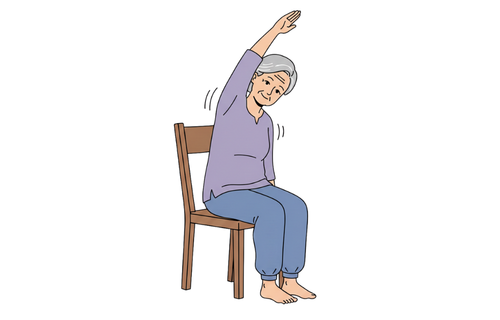
- Sit up straight with both feet flat on the floor.
- Rest your left hand on the chair beside your hip.
- Raise your right arm up toward the ceiling (only as high as comfortable)
- Gently lean to the left, feeling a stretch along your right side.
- Hold for 3-5 breaths.
- Return to the center and switch sides.
What to watch for: If a program asks you to bend far over or reach behind you, it may be too advanced.
Exercise 2: Ankle Circles
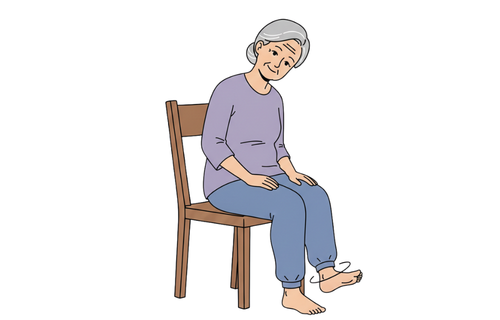
- Sit comfortably with your back supported.
- Lift your right foot slightly off the floor (just an inch or two)
- Slowly rotate your ankle in circles, 5 times in each direction.
- Switch to your left foot and repeat.
What to watch for: This exercise should feel easy and gentle. If a program makes it complicated, they may be making everything too difficult.
Exercise 3: Shoulder Rolls
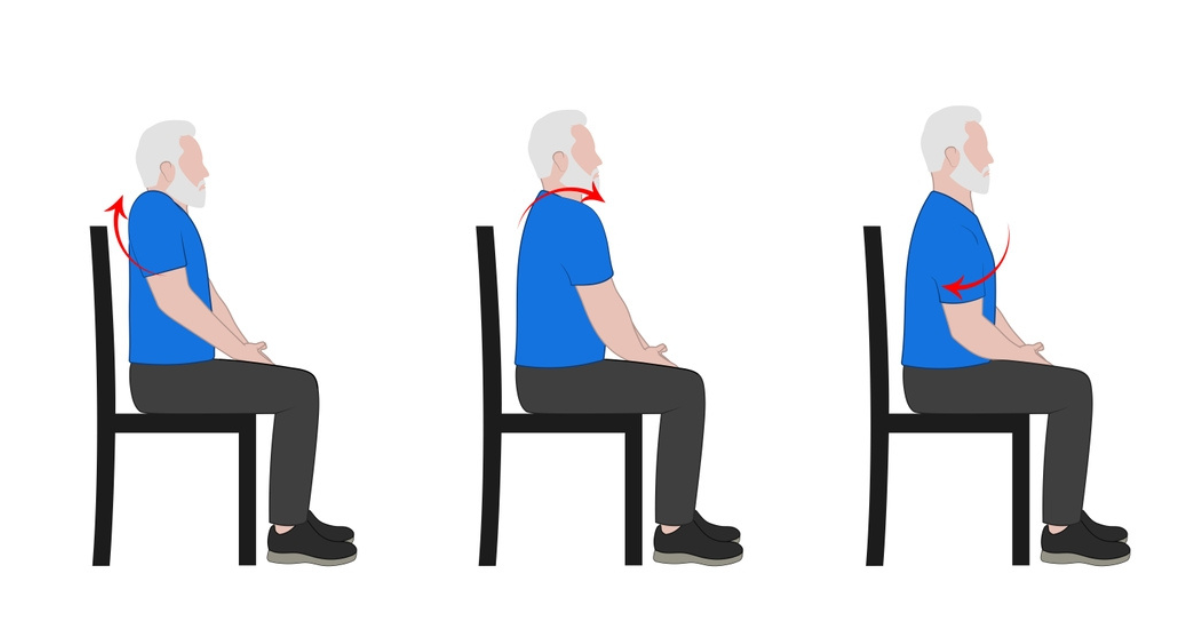
- Sit up comfortably with arms relaxed at your sides.
- Slowly roll both shoulders up toward your ears.
- Roll them back and down.
- Repeat 5 times, then reverse direction.
What to watch for: The best programs remind you to breathe and move slowly. If they rush through this exercise, they are likely to rush through the rest as well.
Questions to Ask Before Starting Any Program
Before you sign up for a chair yoga program, especially if it costs money, make sure you know the answers to these questions:
Can I go at my own pace? You should never feel pressured to keep up with the video or class.
Are there different levels or modifications? Even within “beginner” programs, people have different needs.
What if something hurts? The instructor should regularly remind you that pain is a signal to back off, not push through.
Can I pause and replay? For online programs, this is crucial. You should be able to rewind instructions you didn’t catch the first time.
Is there a money-back guarantee or free trial? This shows the program stands behind its quality.
Frequently Asked Questions
Q: How long should I try a program before deciding if it’s right for me?
Give it 3-5 sessions. The first class is always a bit awkward as you learn the routine, but by the third session, you’ll know if it feels genuinely doable and helpful.
Q: What’s the difference between “challenging” and “too hard” in chair yoga?
Challenging means you feel engaged and stretched (in a good way) but still in control. Too hard means you’re straining, can’t keep up, or feel pain. Your breath is a good guide: if you’re holding it or breathing raggedly, you’re working too hard.
Q: Should chair yoga ever make me sore?
Slight muscle awareness the next day is normal when you’re using muscles in new ways. But genuine soreness or pain means the program was too intense for your current level. Scale back or find a gentler option.
Final Thoughts
Finding the right chair yoga program doesn’t have to be overwhelming. With these tips for reading reviews, spotting red flags, and testing programs safely, you’re ready to find a class that works for your body and your life.
Remember, the goal isn’t to become a yoga master or impress others. The goal is to feel better, move more easily, and enjoy yourself. Try starting with one gentle class today. Your future self will thank you.
You’ve got this!