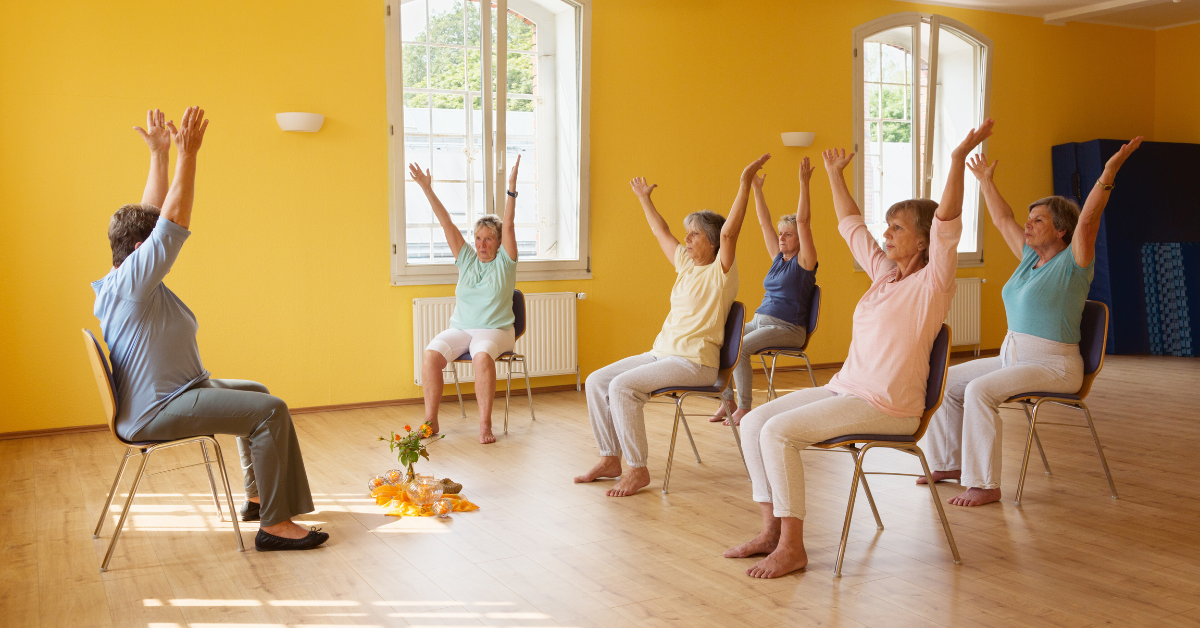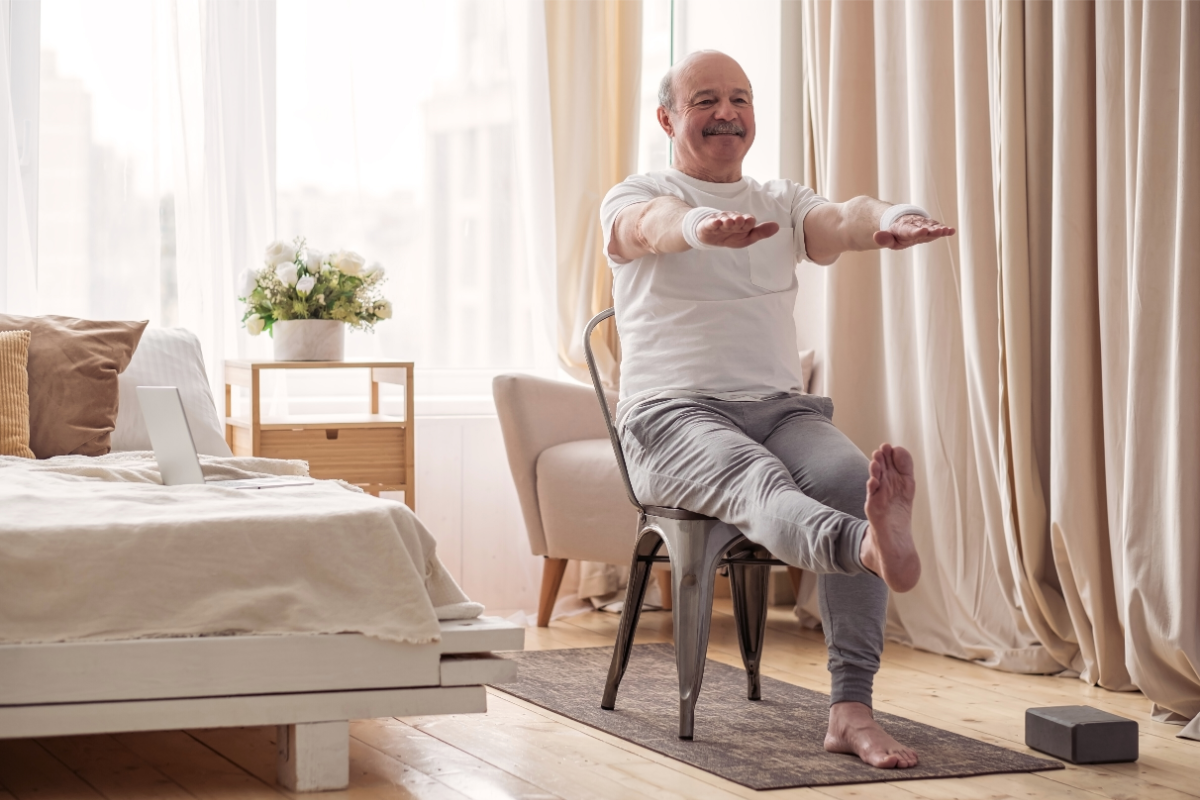


Getting older doesn’t mean you have to give up on staying active, but it does mean your relationship with the floor might get a little complicated. If the thought of getting down on a yoga mat makes you think “I’ll get down there, but will I get back up?” then chair yoga might just be your new best friend. The chair yoga benefits are real, research-backed, and honestly, pretty amazing.
If you have stiff joints, balance issues, or simply like the support of a solid chair, this gentle practice can help you feel better both physically and mentally.
What Is Chair Yoga, Anyway?
Chair yoga is simply yoga poses that you can do while sitting in a chair or using a chair for support. You don’t need any special equipment or advanced skills. All you need is a sturdy chair without wheels and a willingness to move in ways that feel comfortable.
You can think of chair yoga as a more practical and accessible version of traditional yoga. It offers the same benefits with less worry about falling.
Traditional yoga can feel overwhelming, especially if it’s been a while since you last stretched. A chair yoga book for seniors makes getting started easier by guiding you through movements at your own pace. Staying supported in a chair not only removes the intimidation factor but also lets you enjoy the physical benefits of chair yoga, helping you improve strength, flexibility, and overall health without pressure or unrealistic expectations.
12 Amazing Chair Yoga Benefits for Your Body and Mind
1. Improves Flexibility Without the Drama
If you have stiff shoulders or tight hips, chair yoga can help. It gently stretches your muscles and joints, gradually improving your range of motion. Over time, you may find it easier to reach for things or turn your head while driving.
Practicing regularly helps keep your muscles flexible, which is important for daily activities and reducing the risk of injury.
2. Builds Strength
Chair yoga still works your muscles, helping you build strength over time. Holding poses, lifting your arms, and moving with control all help improve muscle tone.
Stronger muscles provide better support for your joints, improve your posture, and help you feel more confident in your daily activities.
3. Boosts Balance and Stability
As we age, balance can become more difficult, increasing the risk of falls. Chair yoga includes exercises that safely challenge your balance. You can try standing poses while holding the chair, which helps build strength and coordination to prevent falls.
Improved balance leads to greater independence and less concern about walking on uneven surfaces or reaching for things.
4. Reduces Joint Pain and Stiffness
If you have arthritis, chair yoga may help. The gentle movements can make your joints feel less stiff without putting too much strain on them. Many people say they feel less pain and move more easily after adding chair yoga to their routine.
It’s important to move carefully and avoid pushing yourself into pain. Gentle movement is best for your body.
5. Improves Circulation
Sitting for long periods can cause poor circulation, leading to swelling, numbness, and tiredness. Chair yoga uses gentle movements to help improve blood flow throughout your body.
Better circulation gives you more energy, less swelling in your legs and feet, and better heart health overall.
6. Enhances Breathing and Lung Function
Chair yoga includes breathing exercises, sometimes called pranayama, that help strengthen your lungs. Deep, mindful breathing increases oxygen in your body, which helps all your cells work better.
Focusing on your breath is also very calming and helps relax your nervous system.
7. Reduces Stress and Anxiety
Chair yoga is very helpful for managing stress. Gentle movement, controlled breathing, and mindfulness work together to lower stress hormones and help your body relax.
Life can be stressful at any age, but chair yoga offers practical ways to help you relax and feel calmer.
8. Improves Mental Clarity and Focus
The mindfulness part of chair yoga helps improve your mental focus. Paying attention to your breath and movements trains your brain to stay present and alert.
Many practitioners report feeling mentally sharper and more focused after regular practice. Who couldn’t use a little brain boost?
9. Supports Better Sleep
Having trouble falling asleep or staying asleep? Chair yoga, especially when practiced in the evening, can help regulate your sleep patterns. The relaxation techniques calm your nervous system and prepare your body for restful sleep.
You don’t need to count sheep—just try some gentle stretches and deep breathing.
10. Boosts Mood and Emotional Well-Being
Exercise releases endorphins, those feel-good chemicals that improve your mood. Chair yoga is no exception. The combination of physical movement, mindfulness, and accomplishment creates a powerful mood boost.
Practicing regularly can help reduce feelings of depression and loneliness. It can also help you feel more connected to your body and, if you join a group, to your community.
11. Increases Independence and Confidence
When you feel stronger, more balanced, and less stiff, you become more confident in what you can do. Chair yoga helps you keep the physical abilities you need to live independently and enjoy your favorite activities.
This confidence can lead to a better quality of life and make you more willing to try new things.
12. It’s Social (If You Want It to Be)
While you can absolutely practice chair yoga at home, joining a class offers social benefits too. Connecting with others, sharing laughs, and being part of a supportive community all contribute to better mental and emotional health.
It can also be comforting to know that others share similar experiences.
Easy Chair Yoga Exercises to Try Right Now
Ready to experience the benefits yourself? Here are three simple exercises to get started:
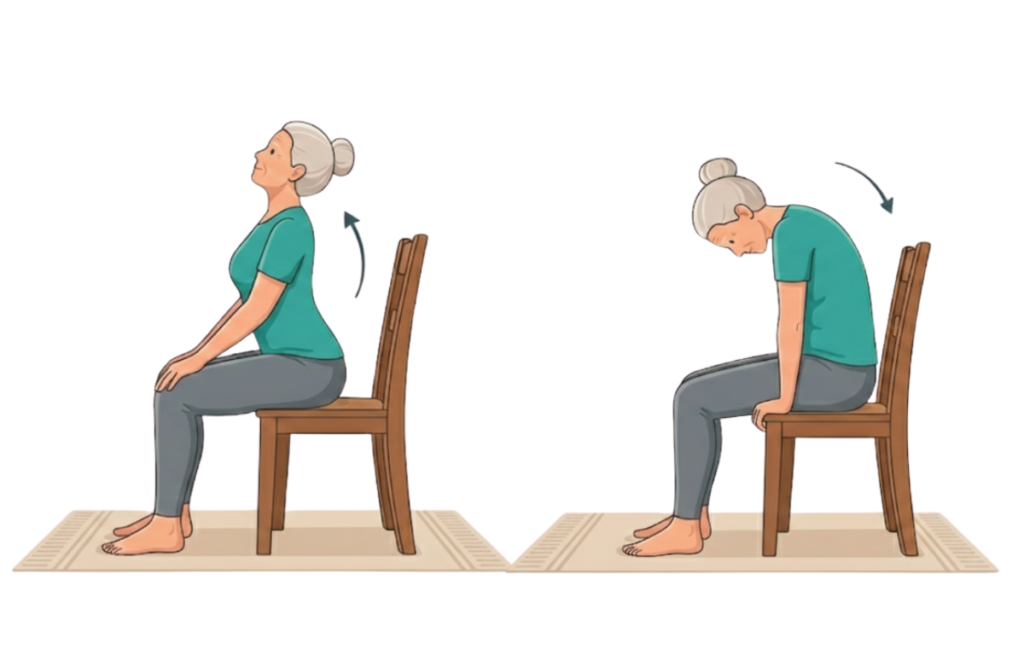
Seated Cat-Cow Stretch
- Sit toward the front of your chair, with your feet flat on the floor and hip-width apart.
- Place your hands on your knees.
- Inhale and arch your back, lifting your chest and looking slightly upward (cow pose).
- Exhale and round your spine, tucking your chin toward your chest (cat pose).
- Repeat 5-10 times, moving slowly with your breath.
This warms up your spine and feels amazing for back tension.
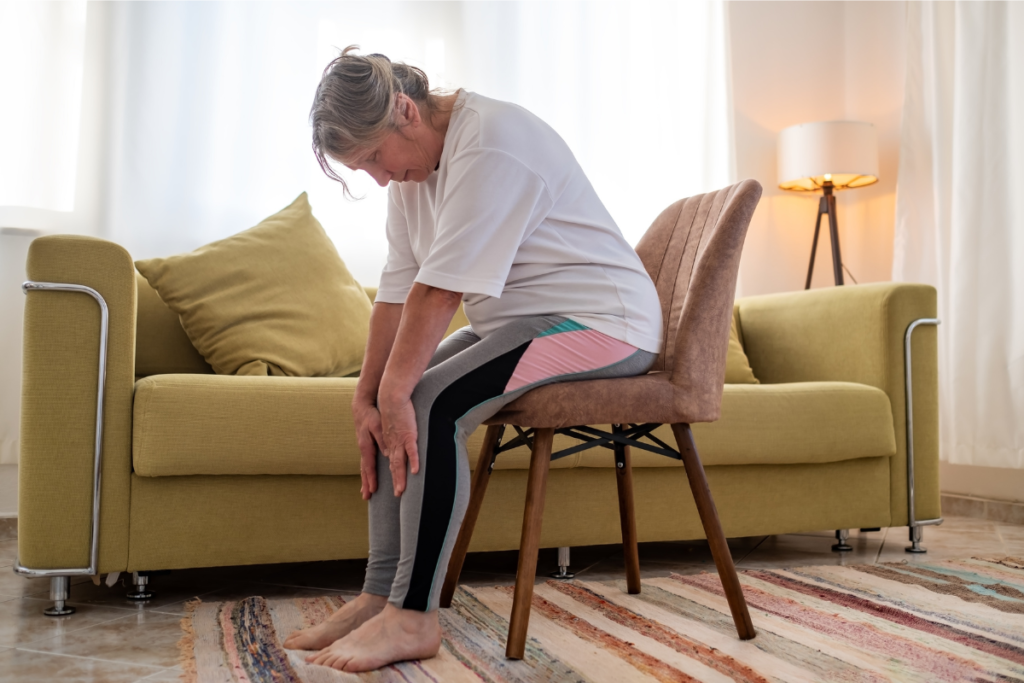
Seated Forward Fold
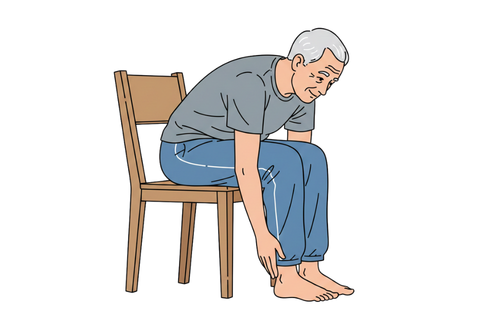
- Sit with feet flat on the floor.
- Inhale and lengthen your spine.
- Exhale and slowly hinge forward from your hips, letting your hands reach toward your feet or shins.
- Let your head and neck relax.
- Hold for 3-5 breaths, then slowly roll back up.
This stretches your back, shoulders, and hamstrings.
Seated Twist
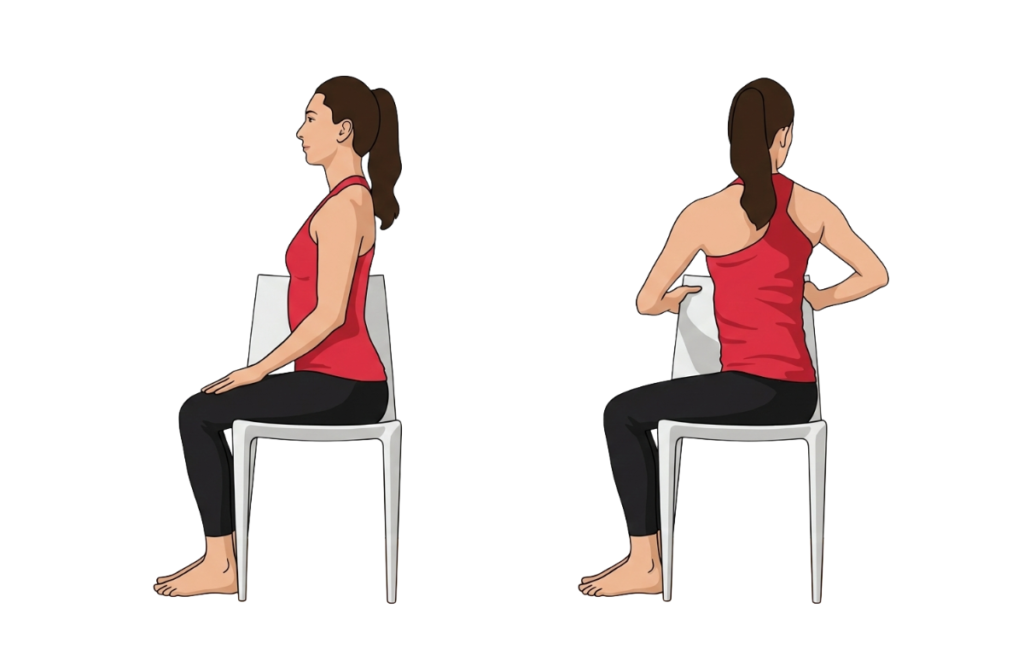
- Sit sideways in your chair, with your right side toward the back.
- Hold the back of the chair with both hands.
- Inhale and lengthen your spine.
- Exhale and gently twist to the right, using the chair for support.
- Hold for 3-5 breaths, then switch sides.
Twists are great for spinal mobility and digestion.
Tips for Getting Started Safely
- Choose a sturdy chair: No wheels, no arms if possible, and make sure it doesn’t slide.
- Wear comfortable clothing: You want to move freely without restrictions.
- Start slowly: Don’t try to do everything at once. Even 10 minutes makes a difference.
- Listen to your body: If something hurts (not just feels challenging), stop or modify.
- Talk to your doctor: If you have health conditions or concerns.
Frequently Asked Questions
Q: Do I need to be flexible to start chair yoga?
No, you do not need to be flexible to start chair yoga. It is suitable for beginners and people with limited flexibility. With regular practice, you will improve over time.
Q: How often should I practice chair yoga?
Begin by practicing 2-3 times per week for 15-20 minutes. As you gain strength and confidence, you can practice more often and for longer periods, depending on your comfort.
Q: Can chair yoga really help with chronic pain?
Many people with chronic pain conditions, such as arthritis, find relief through gentle chair yoga practice. Always consult your healthcare provider and work within your comfort zone.
Final Thoughts
Here’s the beautiful truth about chair yoga: you don’t need to be perfect, flexible, or young to start. You just need to be willing to show up for yourself, one gentle stretch at a time. The benefits build gradually, but they’re absolutely worth it. Your body and mind will thank you for the attention and care.
So grab a chair, take a deep breath, and give yourself permission to move in ways that feel good. You’ve got this, and your future self is already cheering you on.