
Sometimes, the fitness world can feel overwhelming. With all the jumping jacks, burpees, and people at the gym who seem like natural athletes, it’s easy to think weight loss isn’t for you anymore.
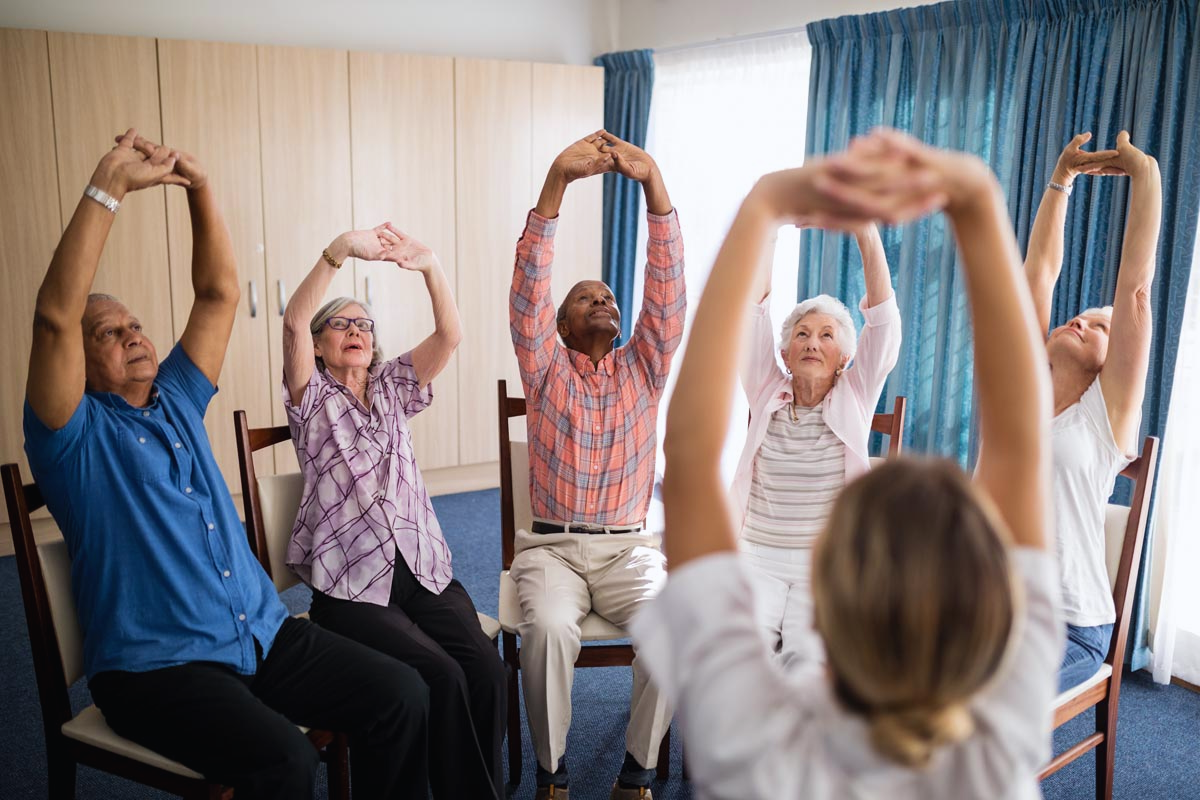
But the truth is, a chair workout for weight loss can be effective, gentle on your joints, and even fun. You don’t need a gym membership or special shoes. All you need is a sturdy chair and the willingness to begin.
If you’re a senior, a beginner, or just want a gentler way to exercise, this guide is for you. We’ll keep things simple and easy to follow, and maybe even have a little fun along the way.
Why Chair Workouts Work for Weight Loss
You might wonder if you can really lose weight by exercising in a chair. The answer is yes, and here’s why.
Moving your muscles, even gently, helps your body burn calories. It also builds strength, improves circulation, and boosts your metabolism over time. Chair exercises for losing weight let you work your upper, lower, and core without stressing your knees, hips, or back.
For older adults, the benefits go beyond just losing weight:
- Improved balance and coordination
- Reduced joint stiffness
- Better posture
- Increased energy levels
- A better mood—moving your body really can make you feel happier.
Consistency is what matters most. You don’t have to exercise for an hour every day. Even 15 to 20 minutes of chair exercises, done regularly, can lead to real results.
What You’ll Need Before You Start
You don’t need much, and that’s one of the best parts.
- A sturdy chair without wheels. You want to stay steady while you exercise.
- Comfortable clothes
- A little water nearby
- Flat, non-slip shoes or bare feet on a non-slip surface
That’s all you need. Let’s get started.
Warm-Up First
Warming up gets your muscles and joints ready to move. It only takes 3 to 5 minutes, but it’s very important, especially for seniors.
Seated Neck Rolls
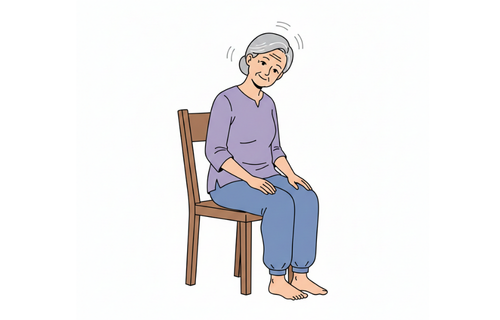
- Sit tall in your chair with your feet flat on the floor.
- Slowly drop your right ear toward your right shoulder.
- Gently roll your head forward and then toward your left shoulder.
- Repeat 3 to 5 times in each direction.
This exercise feels great, especially first thing in the morning.
Shoulder Rolls
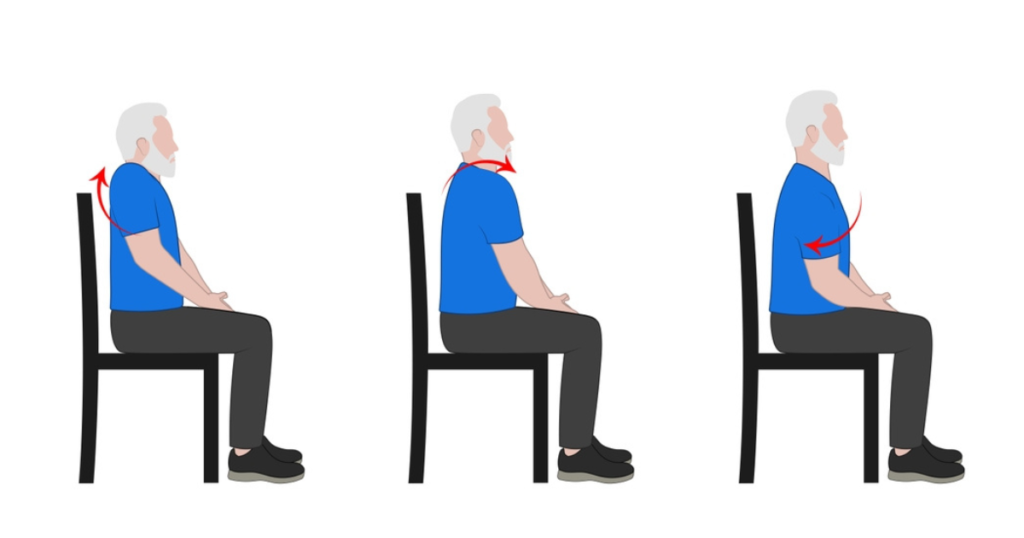
- Sit upright and let your arms hang at your sides.
- Roll both shoulders forward in a slow, big circle.
- Do 5 rolls forward, then 5 rolls backward.
Ankle Circles
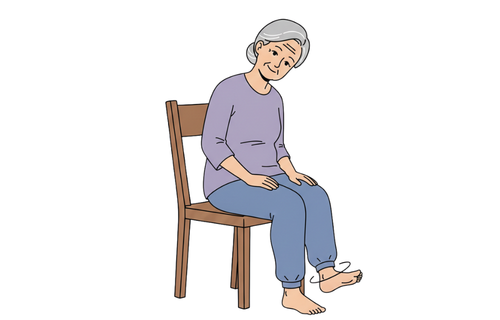
- Lift one foot slightly off the ground.
- Rotate your ankle in a circle, 5 times clockwise, then 5 times counterclockwise.
- Switch feet and repeat.
This helps wake up your lower legs and gets your blood flowing before you start the main workout.
The Main Chair Workout: Beginner-Friendly Exercises
Here are some great exercises to begin with. The work several muscle groups, gently raise your heart rate, and are safe for most fitness levels. Remember to check with your doctor before starting any new exercise routine.
Seated Marching
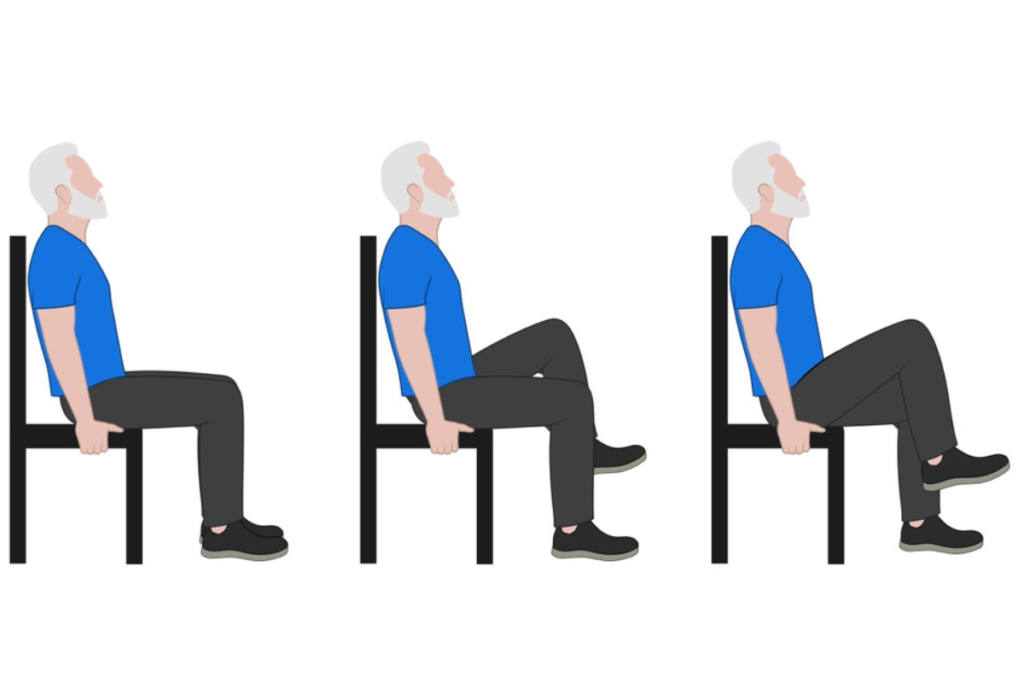
This exercise is very beginner-friendly, and it really works.
How to do it:
- Sit with your back straight and feet flat on the floor.
- Lift your right knee up toward your chest, then lower it.
- Lift your left knee, then lower it.
- Keep alternating in a slow, marching rhythm.
- Do this for 30 to 60 seconds.
Why it helps: Seated marching gets your heart pumping, works your core, and warms up your hip flexors. It’s like walking, but with a twist.
Seated Arm Circles
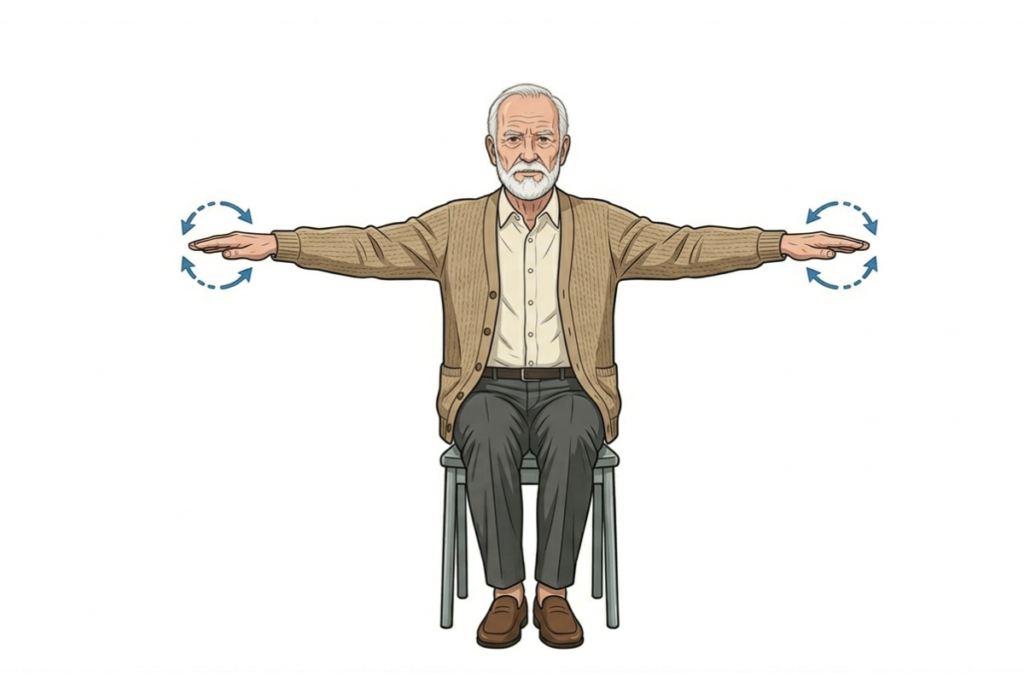
Your arms need exercise, too.
How to do it:
- Sit tall and extend both arms to shoulder height, out to your sides.
- Make small circles going forward for 15 seconds.
- Reverse the direction and do 15 more seconds.
- Rest, then repeat 2-3 times.
Why it helps: This exercise works your shoulders, upper back, and arms. It also helps your shoulder joints stay flexible, which is important as we get older.
Seated Knee Extensions
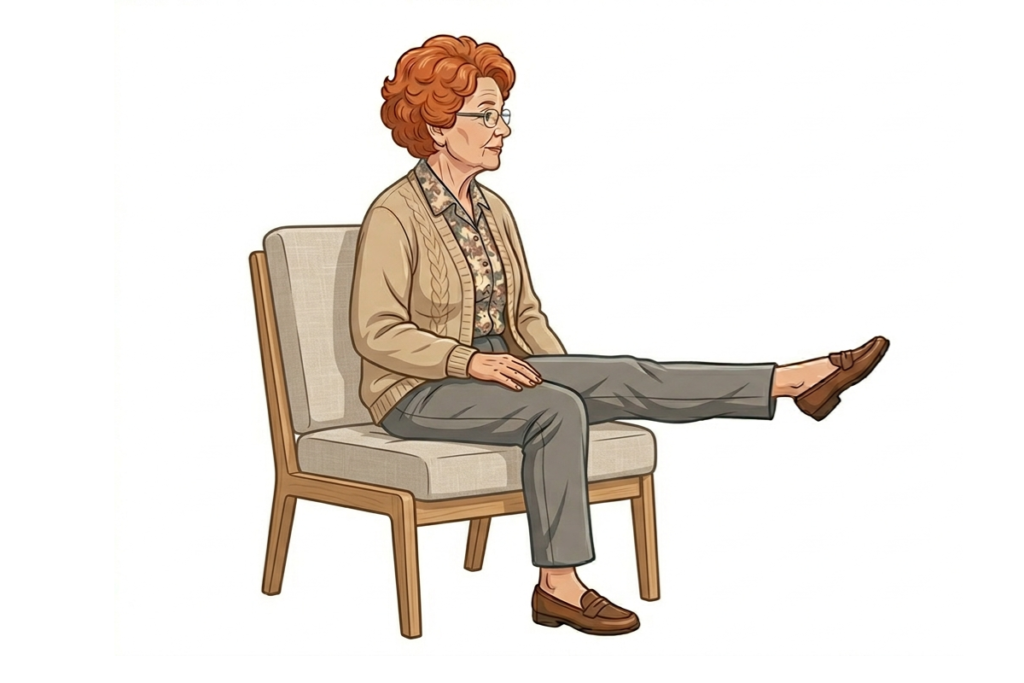
This exercise gently strengthens your legs.
How to do it:
- Sit up straight in your chair.
- Extend your left leg until it’s straight, hold for 2 seconds.
- Slowly lower it back down.
- Do 10 to 12 reps on each leg.
- Complete 2 sets.
Why it helps: This move strengthens your quadriceps, the muscles at the front of your thighs, which help with standing, walking, and balance.
Seated Side Bends
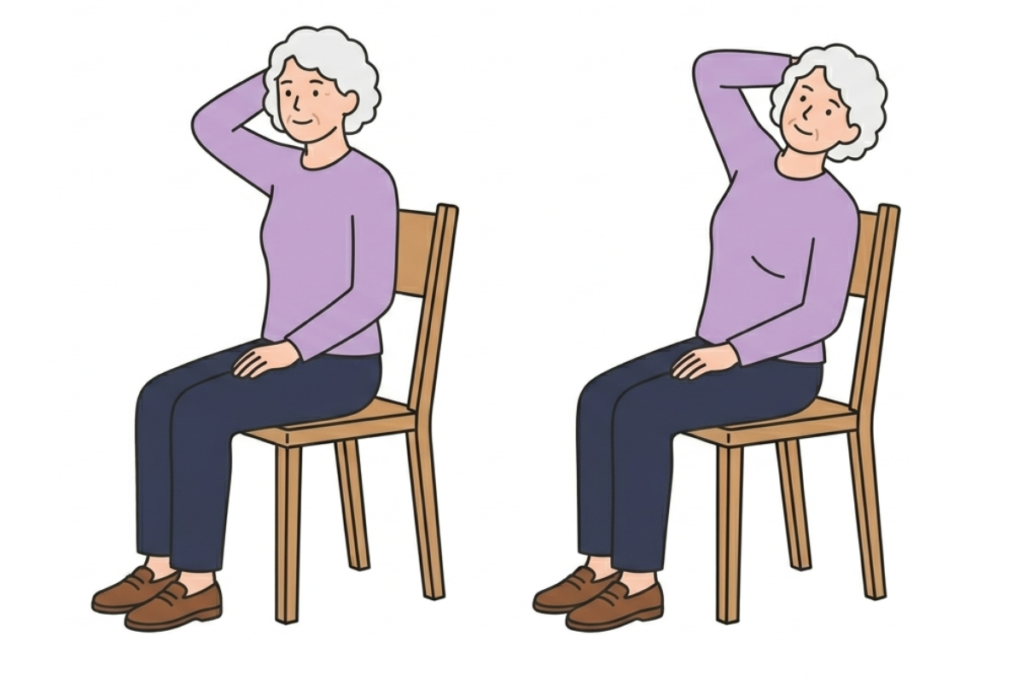
This exercise gives you both a stretch and some strength training.
How to do it:
- Sit tall with your feet flat on the floor.
- Place your right hand behind your head and your left hand on your thigh.
- Gently lean to the left, stretching your right side.
- Return to the center and switch sides.
- Do 8 to 10 reps on each side.
Why it helps: Side bends work your obliques, the muscles on the sides of your core. These muscles support posture and balance and can help trim your waistline over time.
Chair Stand (Sit to Stand)
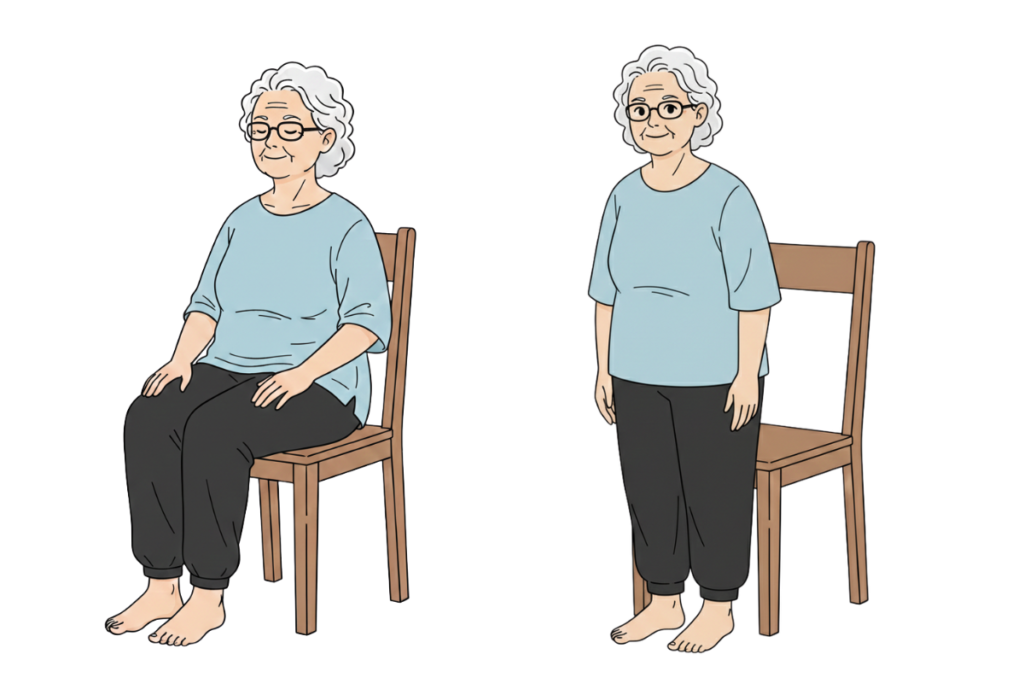
This might be the most effective exercise on the list.
How to do it:
- Sit at the edge of your chair with feet flat on the floor, hip-width apart.
- Lean slightly forward from your hips (not your back).
- Press through your heels to slowly stand up.
- Pause at the top for a second.
- Slowly lower yourself back to a seated position.
- Do 5 to 10 reps to start.
Why it helps: The chair stand copies the movement of getting up from a chair or the floor, which is a useful strength skill for daily life. It works your glutes, quads, and core simultaneously. It’s similar to doing a squat.
Seated Torso Twists
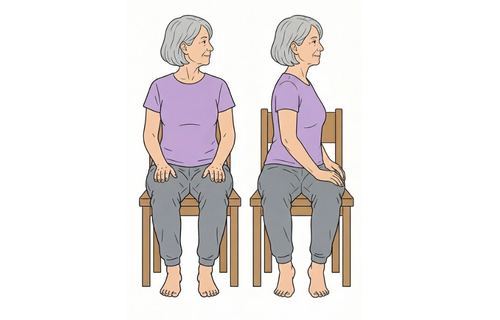
This exercise is great for your core and helps improve your spine’s flexibility.
How to do it:
- Sit tall and cross your arms over your chest or place them on your thigh.
- Slowly rotate your upper body to the right, leading with your shoulders.
- Hold for 2 seconds, then return to the center.
- Rotate to the left and hold.
- Do 10 reps on each side.
Why it helps: Twisting exercises work your whole core and help your spine move more easily. A stronger core leads to better posture, less back pain, and a flatter stomach over time.
Cool Down: Give Your Body Some Credit
You’ve worked hard. Now it’s time to cool down gently.
Seated Forward Fold
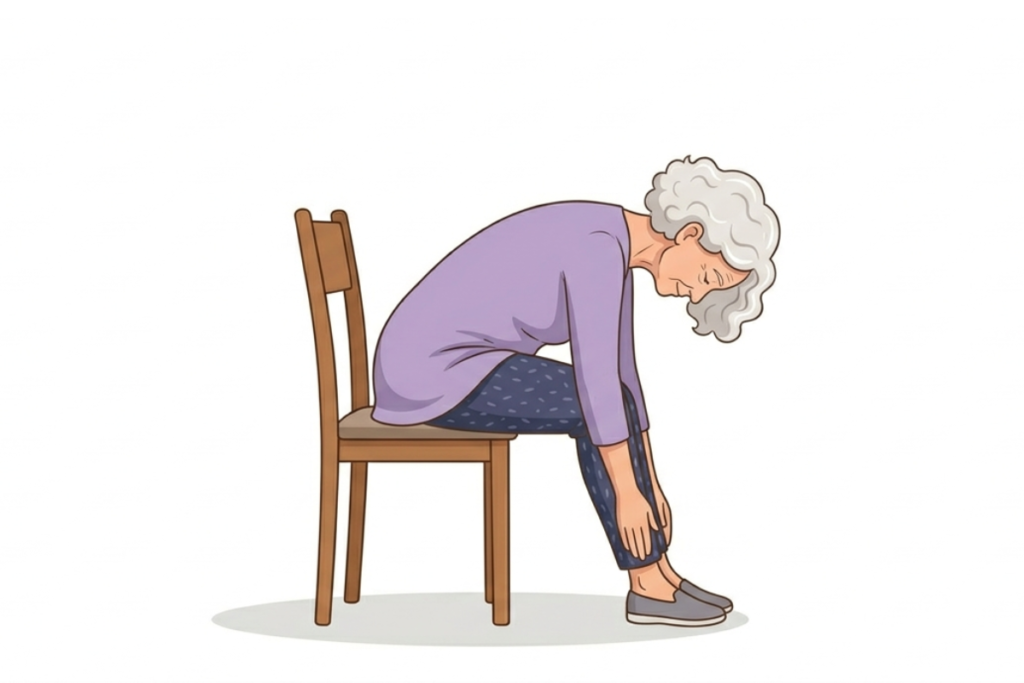
- Sit at the edge of your chair.
- Place your feet flat on the floor about hip-width apart.
- Slowly hinge forward from your hips and let your hands hang down toward the floor.
- Hold for 20 to 30 seconds, then slowly sit back up.
Deep Breathing
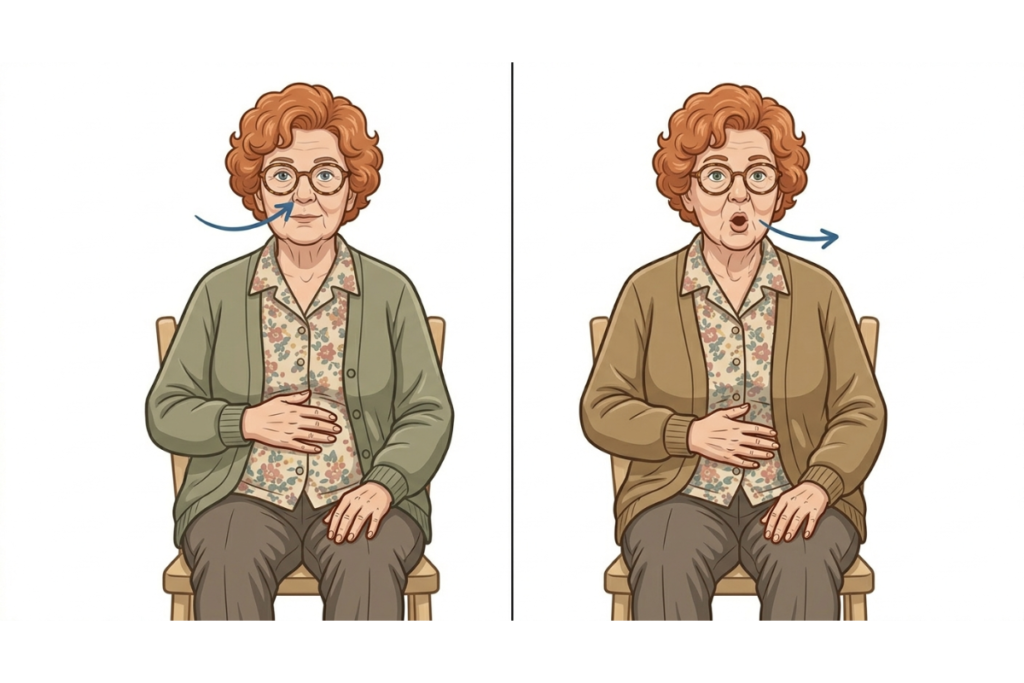
- Place one hand on your belly.
- Breathe in slowly through your nose for 4 counts.
- Breathe out through your mouth for 6 counts.
- Repeat 5 times.
This helps calm your nervous system and brings your heart rate back to normal. It’s also very relaxing, so take a moment to enjoy it.
How Often Should You Do This Workout?
Start by doing this workout three times a week. Give your body a rest day between sessions so your muscles have time to recover and get stronger.
As you build stamina and confidence, you can increase to five sessions a week or add more repetitions and sets. Don’t try to do everything at once. Taking it slow helps you avoid injuries and make steady progress.
A simple beginner schedule might look like:
- Monday: Chair workout (15 to 20 minutes)
- Tuesday: Rest or a short walk
- Wednesday: Chair workout
- Thursday: Rest
- Friday: Chair workout
- Weekend: Light activity like stretching or a casual stroll
Small Steps Add Up to Big Changes
The most important thing to remember is that you don’t have to be perfect. Just showing up is enough.
If you miss a day, it doesn’t erase your progress. Doing five repetitions instead of ten still matters. Moving your body, even for just ten minutes, is better than not moving at all.
The goal isn’t to become an athlete right away. The goal is to feel better, move more easily, and take care of the body that has supported you throughout your life.
Final Thoughts
Starting a chair workout for weight loss is a great way to care for yourself. It’s safe, easy to access, and effective. Whether you’re 60, 70, 80, or older, movement is good for you, and it’s never too late to begin.
So grab your chair, play some music you enjoy, and try one of these daily chair exercise routines for weight loss today. Taking one small step can be the start of a big change.
Your body is ready. Your body is ready, and the chair is waiting. Let’s get started.
