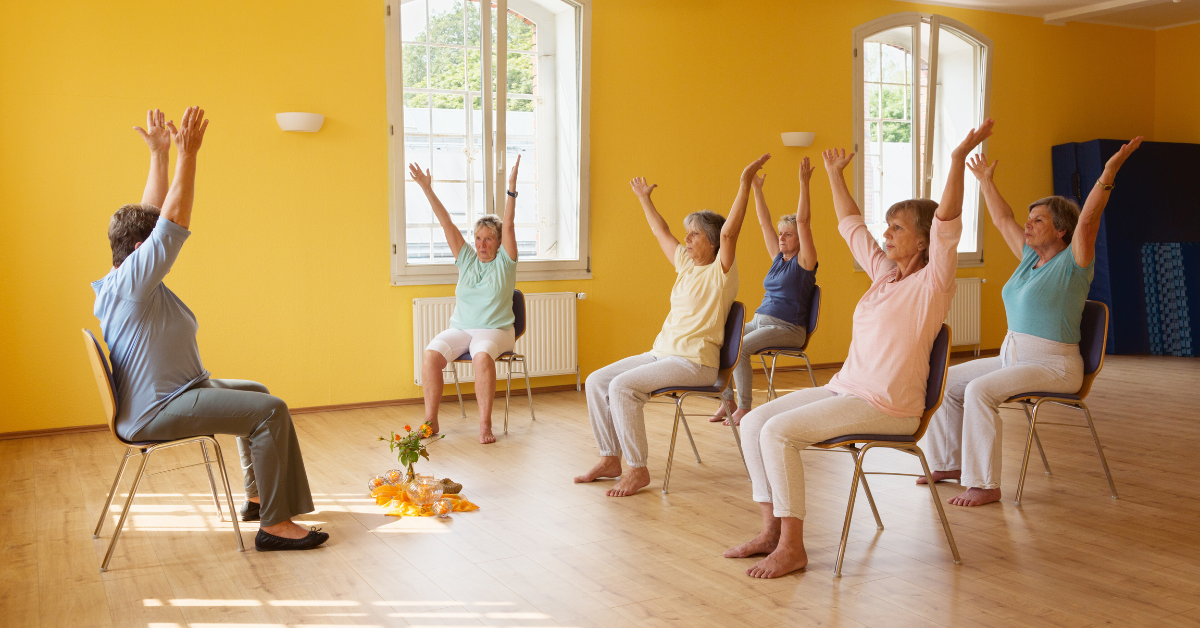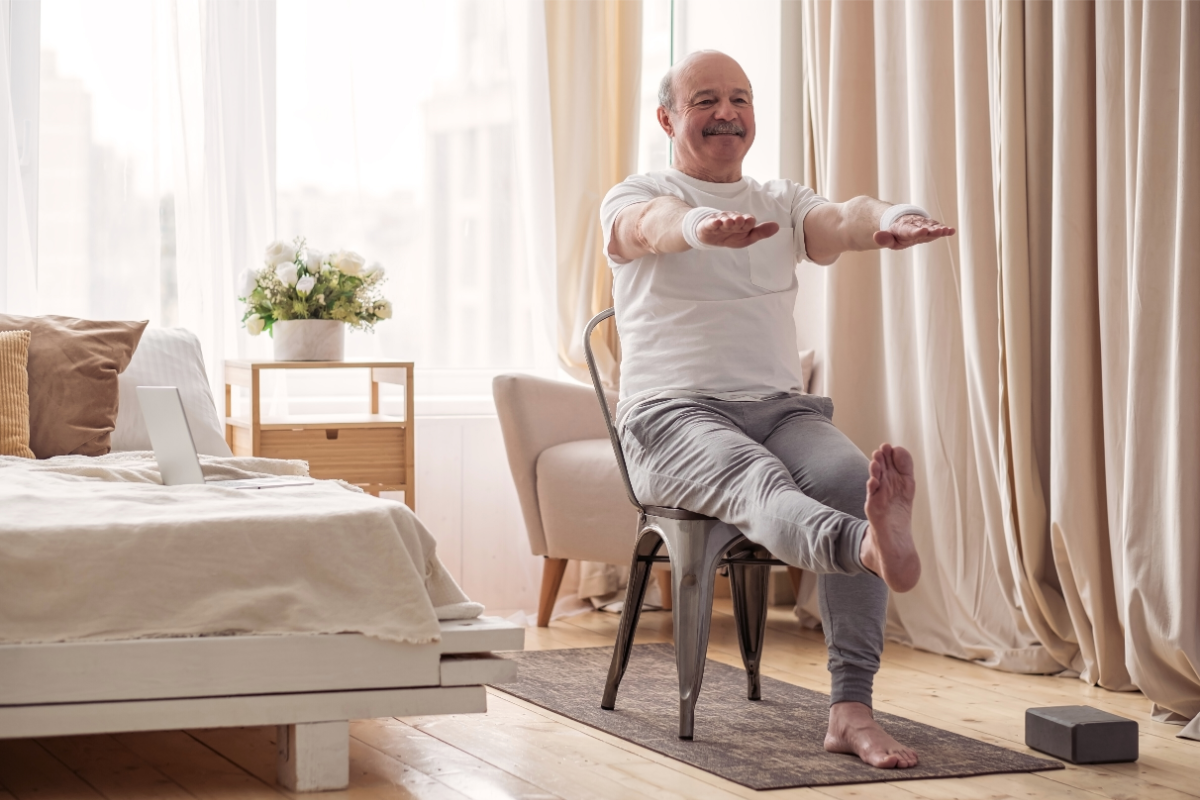


Getting older doesn’t mean you have to stop feeling good in your body. Your yoga routine might just look different from those Instagram yogis doing headstands on mountaintops. Chair yoga is a great option for anyone who wants the benefits of yoga without pretending their knees are still 25. If you want to start a gentle practice at home, chair yoga books are a great way to learn at your own pace.
You don’t need a studio membership or to feel out of place in a class full of flexible young people—just you, a chair, and some guidance. With so many books available, how do you choose the right one?
Why Chair Yoga is Perfect for Seniors
Chair yoga is exactly what it sounds like: yoga poses you can do while sitting in (or using) a chair for support. It’s gentle on your joints, improves flexibility and balance, and you can do it in your pajamas if you want. No judgment here.
The great thing about chair yoga is that it meets you where you are. Whether you have arthritis, are recovering from an injury, or just want a gentle way to stay active, chair yoga can fit your needs. It’s also a great way to reduce stress, which we could all use.
What to Look for in Chair Yoga Books for Seniors
Not all yoga books are the same, especially when you want something senior-friendly. Here’s what makes a great chair yoga book stand out.
Clear, Large Photos or Illustrations
No one likes squinting at small images. Choose books with large, clear photos that show each pose clearly. It’s even better if they include modifications or show common mistakes to avoid. Your eyes and your practice will thank you.
Step-by-Step Instructions
The best chair yoga books explain each pose in simple, easy-to-follow steps. You shouldn’t need a yoga dictionary to understand what to do. If the instructions are confusing or too technical, try another book.
Beginner-Friendly Language
Sanskrit names can be interesting, but when you’re starting out, you need clear English. A good book uses simple words and explains things in a friendly, easy-to-understand way.
Safety Tips and Modifications
Everyone’s body is different, and a good book recognizes that. Look for authors who include safety tips, suggest modifications for different abilities, and remind you to listen to your body. If something hurts, stop. Work on balance one day and flexibility the next. The best books offer different sequences for various needs: energizing morning routines, calming evening stretches, poses for back pain, you name it.
Top Features That Make a Book Senior-Friendly
Larger Font Sizes
Reading shouldn’t be hard on your eyes. Books for seniors usually use larger, easy-to-read fonts. Your eyes deserve a break after all these years.
Spiral or Lay-Flat Binding
It’s frustrating when a book won’t stay open while you’re holding a pose. Spiral binding or lay-flat books make it much easier to follow along.
Breathing Exercises Included
Breathing is a big part of yoga. Good books include simple breathing techniques to help you relax, focus, and get the most from each pose.
Realistic Expectations
Be careful with books that promise you’ll do backbends in a week. The best chair yoga exercise books set realistic goals and celebrate small steps. Progress counts, even if it’s slow.
Sample Chair Yoga Exercises to Try Today
Want to try it out? Here are three simple exercises you can do right now. All you need is a sturdy chair without wheels and a little space.
Seated Mountain Pose (Grounding and Centering)
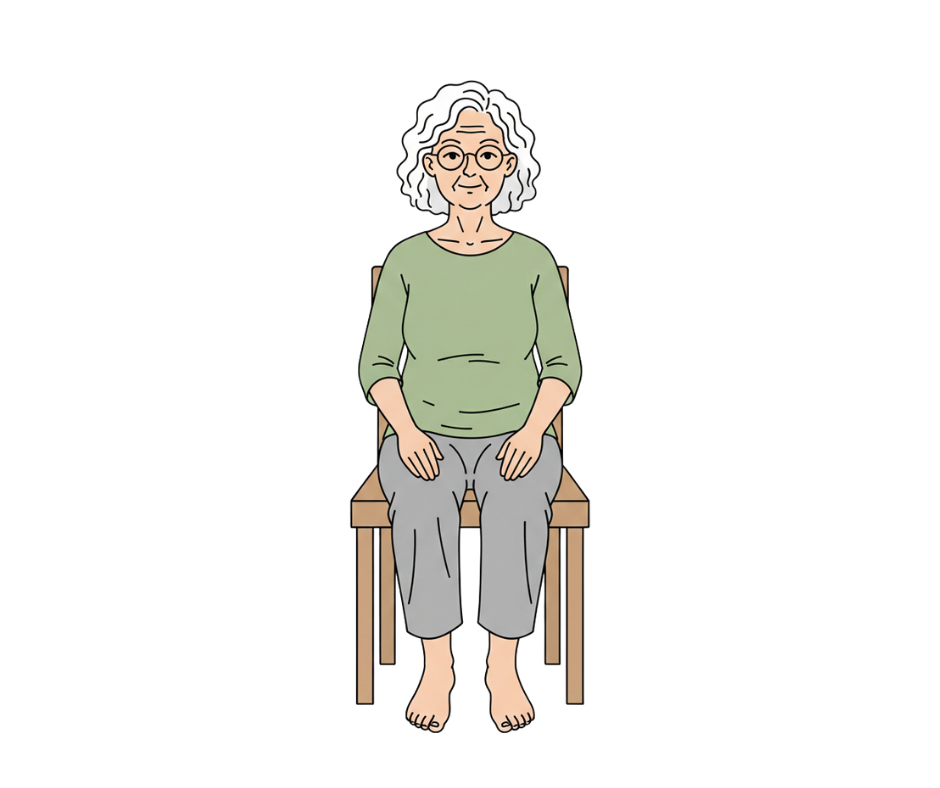
1: Sit toward the front of your chair with your feet flat on the floor, hip-width apart.
2: Place your hands gently on your thighs or let them rest at your sides.
3: Sit up tall, imagining a string gently pulling the crown of your head toward the ceiling.
4: Relax your shoulders down and back, away from your ears.
5: Take five slow, deep breaths through your nose, feeling yourself become more grounded with each exhale.
Why it’s great: This pose helps your posture and is a great way to begin any practice.
Seated Cat-Cow Stretch (Gentle Spine Mobility)
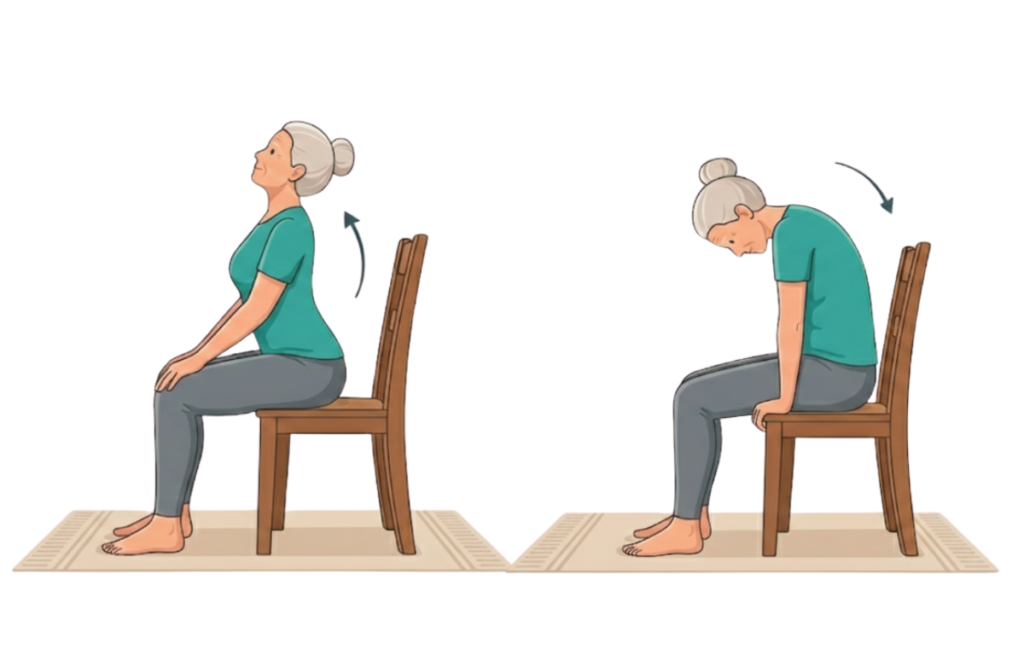
1: Sit comfortably with your feet flat on the floor and your hands resting on your knees.
2: As you inhale, arch your back slightly, lift your chest, and look up gently (this is “cow”).
3: As you exhale, round your spine, tucking your chin toward your chest and drawing your belly button in (this is “cat”).
4: Continue flowing between these two positions for 5-8 slow breaths.
5: Move at your own pace, focusing on how your spine feels with each movement.
Why it’s great: This gentle movement helps relieve tension in your back and improves spinal flexibility.
Seated Twist (Releasing Tension)
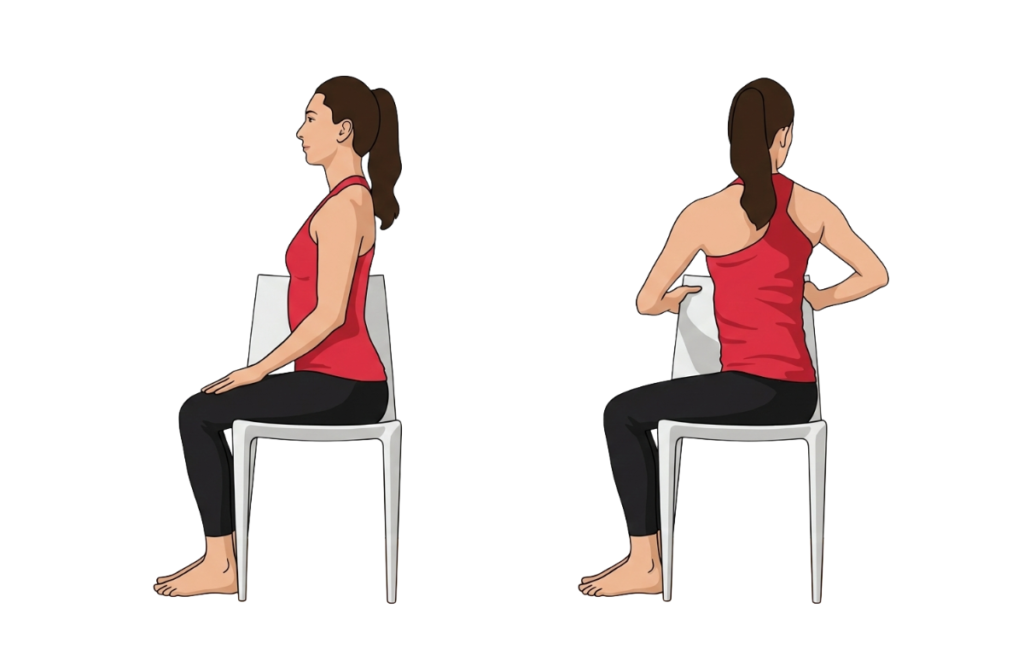
1: Sit sideways on your chair with your right hip against the backrest.
2: Place both hands on the back of the chair.
3: Inhale and sit up tall, lengthening your spine.
4: As you exhale, gently twist toward the back of the chair, using your hands for support (not to force the twist).
5: Hold for 3-5 breaths, then slowly return to the center and switch sides.
Why it’s great: Twists support digestion and help release tension in your spine and shoulders.
Remember, never force a movement. If something doesn’t feel right, ease up or skip it. Being consistent is more important than pushing too hard.
Building Your Practice: Start Small
When starting a new habit, remember that perfection isn’t necessary. You don’t need to do an hour of chair yoga every day. Begin with 5-10 minutes a few times a week. Choose two or three poses from your book and practice them regularly.
Progress comes from showing up regularly, even for a few minutes. Your body doesn’t mind if you do 30 poses or just three. What matters is moving gently and often.
Beyond the Book: Creating Your Space
You don’t need a fancy yoga studio, but having a small dedicated space can make your practice feel special. A quiet corner, a non-slip mat under your chair, and some calming music are all you need. Your living room works just fine.
Keep your chair yoga book somewhere you can see it as a gentle reminder to practice. If it’s out of sight, it’s easy to forget.
Frequently Asked Questions
Q: Do I need any special equipment besides a chair and a book?
A: Nope! A sturdy chair is really all you need to start. As you progress, you might want a yoga strap or small towel for certain stretches, but most beginner books work with just a chair.
Q: How often should I practice chair yoga?
A: Start with 2-3 times per week for 10-15 minutes. Listen to your body and build up from there. Some people eventually practice daily, but there’s no rush.
Q: Is chair yoga actually effective, or is it just for people who can’t do “real” yoga?
A: Chair yoga is absolutely real yoga! It offers genuine benefits for flexibility, strength, balance, and stress relief. It’s an adaptation, not a lesser version.
Final Thoughts
Here’s your homework—the fun kind: pick a beginner-friendly chair yoga book that interests you, grab a chair, and try one pose today. It doesn’t have to be perfect or look a certain way. Just give it a try.
Your body has supported you throughout your life. It deserves gentle movement and appreciation. Chair yoga is a great way to thank yourself. Take the first step, one comfortable seated pose at a time. You can do this!