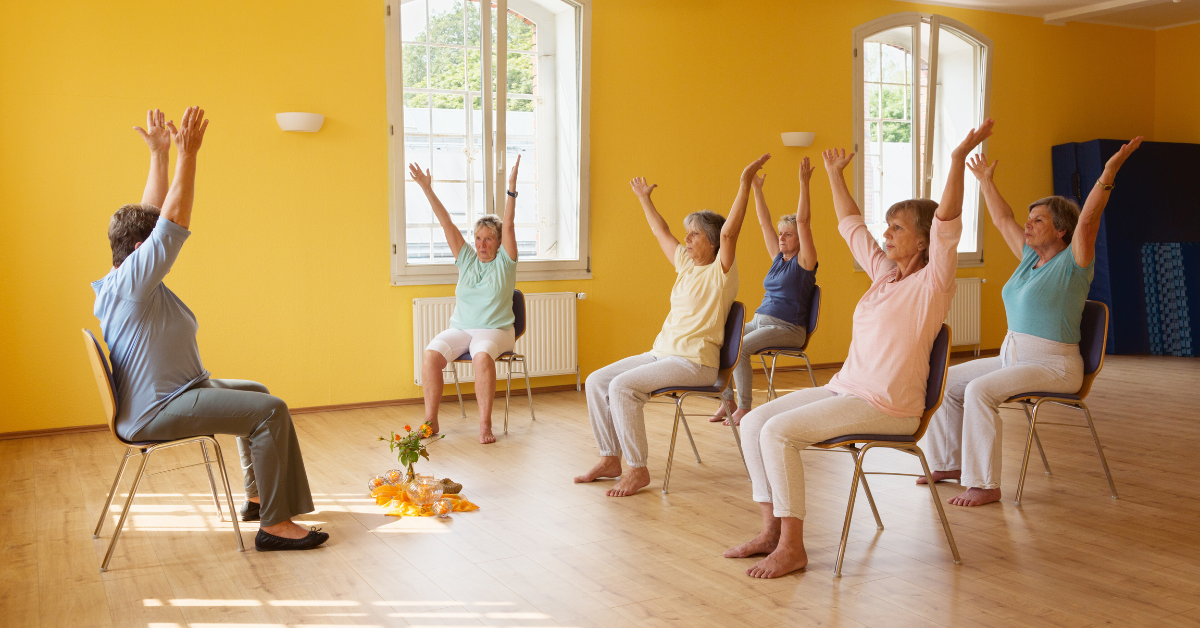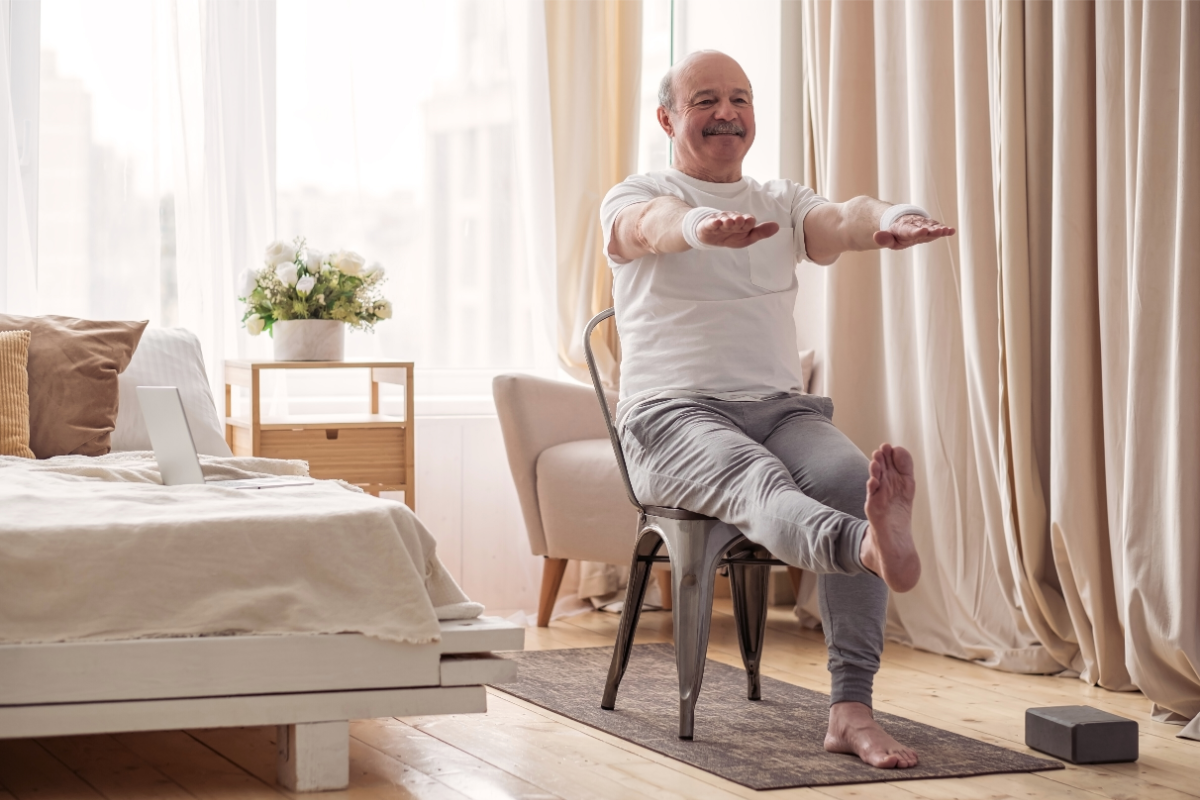

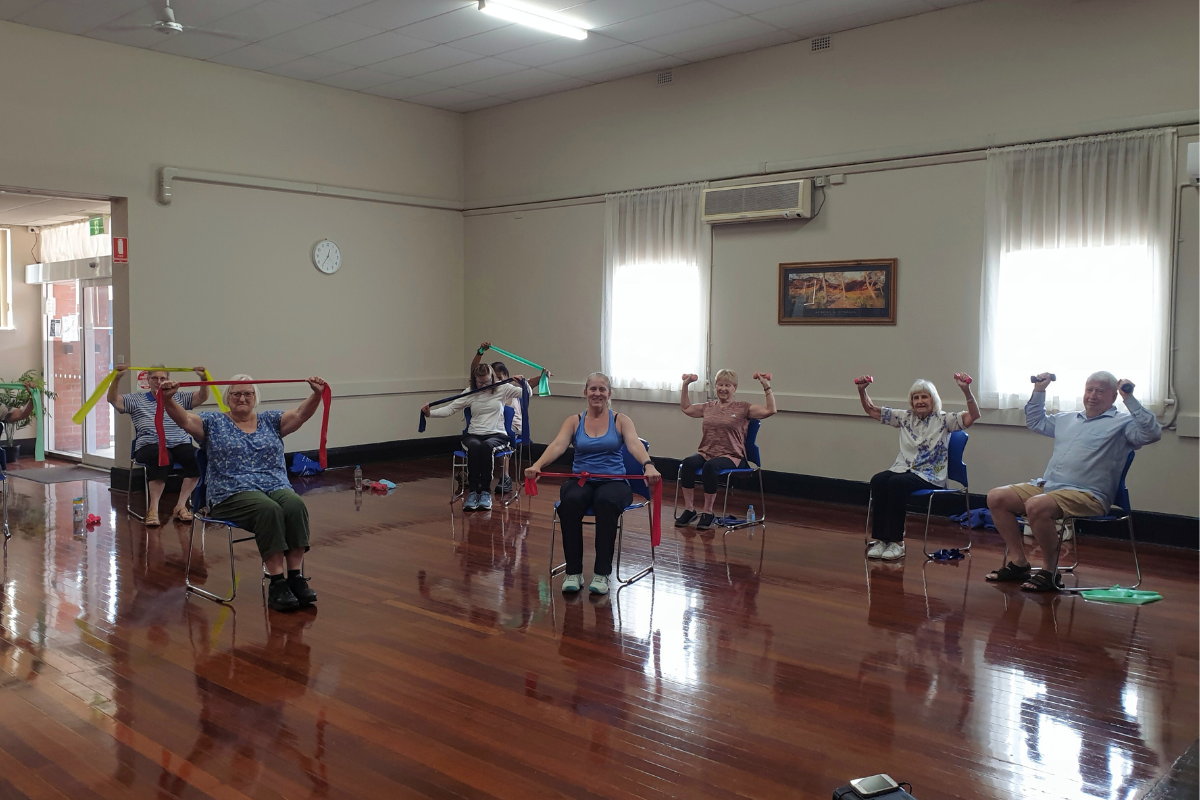
As we get older, balance doesn’t vanish all at once. It fades slowly, much like how you might misplace your car keys or reading glasses. One day, you’re putting on socks easily, and the next, you’re more cautious. But you can absolutely work on your balance while sitting down. No gym membership required, no fancy equipment, and definitely no need to perform circus acts. Balance exercises in sitting are perfect for seniors with limited mobility, people recovering from injury, or anyone who just wants to feel more stable and confident in their daily life.
Seated balance exercises are like training wheels for your stability. You get the benefits without worrying about falling. You can even do them while watching TV, making it easy to fit into your day.
Why Seated Balance Exercises Matter
Balance isn’t just about not falling down, though that’s obviously a big perk. Good balance helps you:
- Move more confidently throughout your day.
- Get in and out of chairs with ease.
- Reach for items without wobbling.
- Maintain your independence longer.
- Strengthen your core muscles (they’re working even when you’re sitting)
- Improve your posture and reduce back pain.
Seated balance exercises are designed to work for you, no matter your mobility level. Having limited mobility doesn’t mean you have no options. It just means finding new ways to stay active.
Getting Started: What You’ll Need
Getting started is simple:
- A sturdy chair without wheels
- Comfortable clothing
- A clear space around you
- Optional: a friend, family member, or caregiver nearby for support
- A positive attitude
That’s all you need. No expensive equipment or complicated setup. Just you, a chair, and the goal of feeling steadier and more secure.
The Warm-Up: Wake Up Those Muscles
Before starting the exercises, do some gentle movements to warm up. These warm-ups aren’t balance exercises, but they help your blood flow and prepare your muscles.
Seated Marching (1-2 minutes)
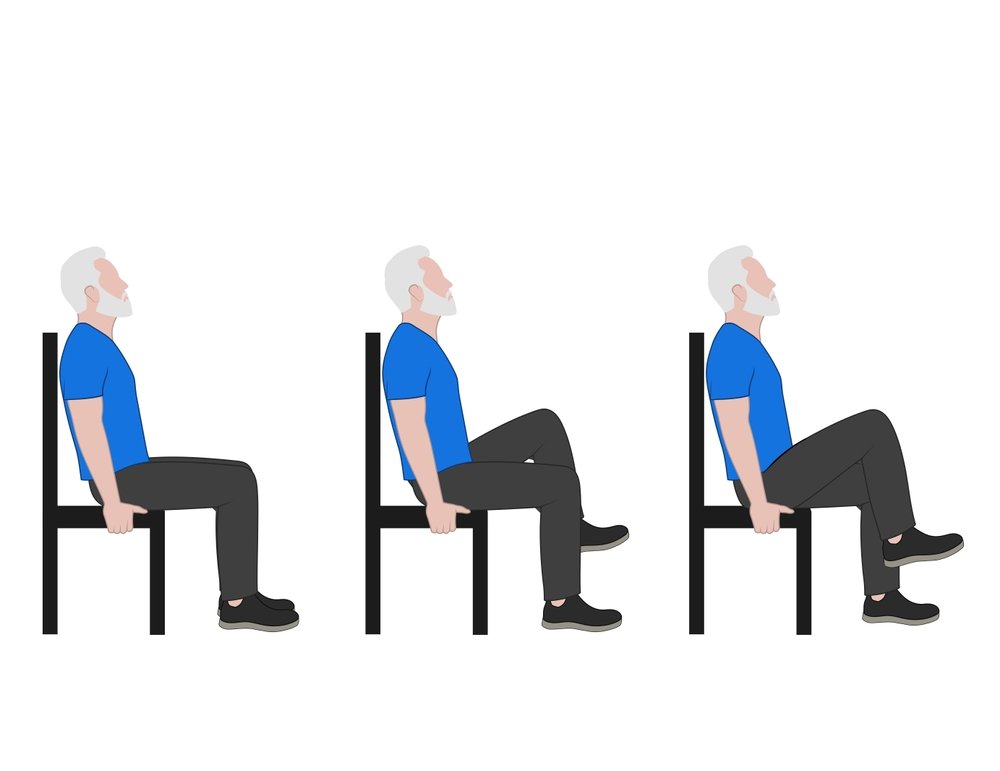
Sit up straight and lift your knees one at a time, as if marching in place. It doesn’t matter how high you lift them—any movement helps. This warms up your hip flexors and engages your core.
Ankle Circles (30 seconds each foot)
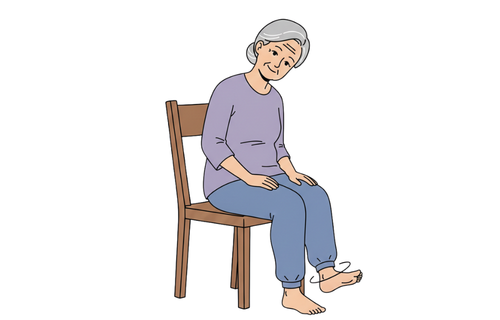
Lift one foot a little off the ground and slowly rotate your ankle in circles. This helps activate your ankle stabilizer muscles, which are important for balance.
Beginner Balance Exercises: Your New Sitting Routine
1. Seated Weight Shifts
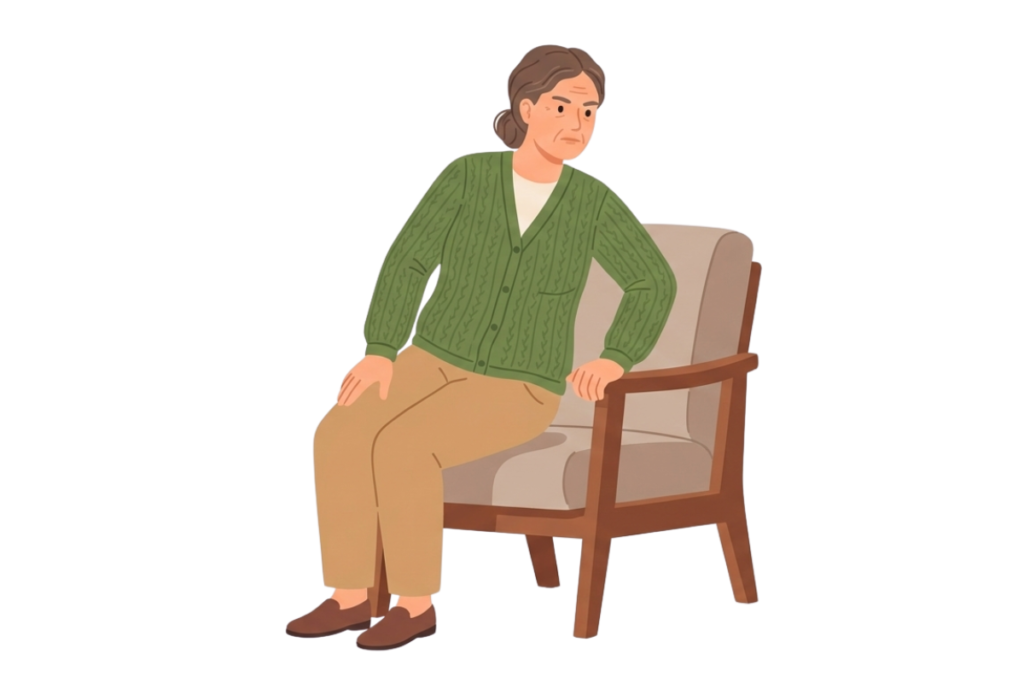
These seated exercises for better balance are a good place to start because they are gentle but effective.
Step-by-step:
- Sit toward the front half of your chair with feet flat on the floor, hip-width apart.
- Place your hands on your thighs or armrests for support.
- Slowly shift your weight to the right, lifting your left side just a little off the chair—only a small amount is needed.
- Hold for 3-5 seconds, feeling the work in your right hip and core.
- Return to center with control.
- Repeat on the left side.
- Do 5-8 shifts on each side
Tip: If lifting off the chair is too difficult, simply shift your weight without lifting. This still helps strengthen your balance muscles.
2. Single Leg Lifts
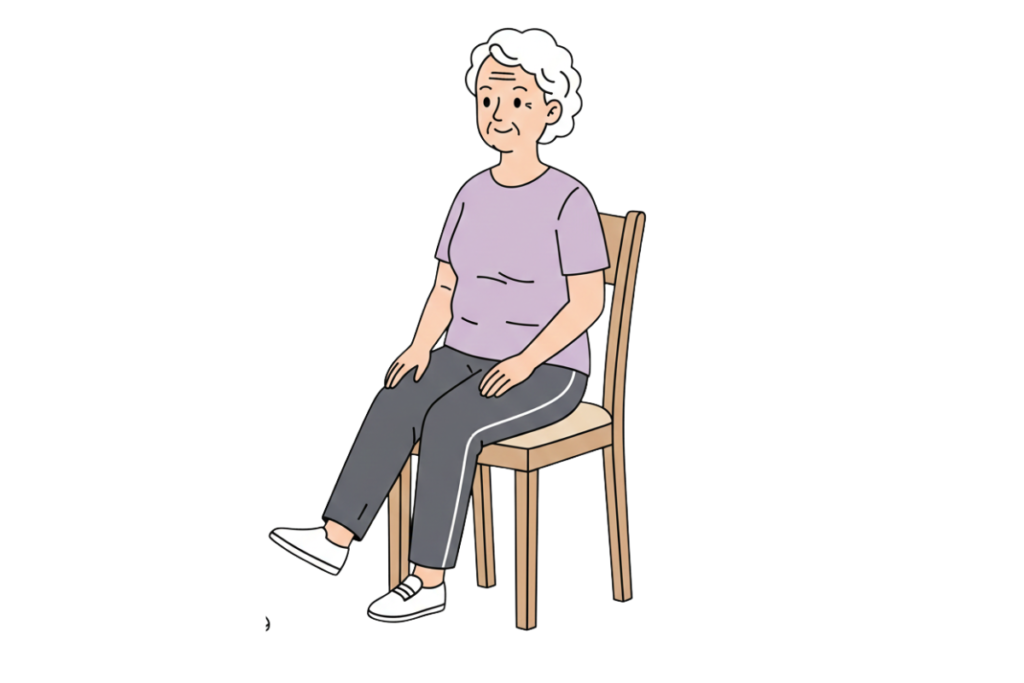
This exercise may sound simple, but it is very effective for building balance.
Step-by-step:
- Sit up straight with your back against the chair, or slightly away from it if you want a more challenging pose.
- Keep both feet flat on the floor to start.
- Slowly lift your right foot 2-3 inches off the ground.
- Hold for 5-10 seconds. Counting out loud can help you keep track.
- Lower your foot back down with control.
- Repeat with the left leg.
- Aim for 5-8 lifts per leg.
Make it easier: Hold onto the sides of your chair for extra support. Nobody’s judging.
Make it harder: Try lifting your foot higher or holding for longer.
3. Seated Torso Twists
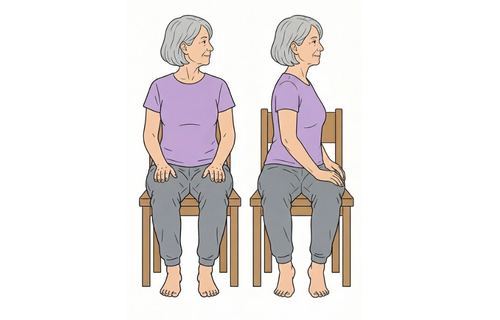
This exercise works your core and challenges your balance by adding rotation, an important component of daily movements.
Step-by-step:
- Sit tall with feet flat and hip-width apart.
- Place your hands on your left thigh.
- Slowly twist your upper body to the left, keeping your hips stable.
- Hold the twist for 2-3 seconds.
- Return to the center with control.
- Twist to the right and hold.
- Complete 6-10 twists on each side.
Important: The twist comes from your waist, not your hips. Keep your legs still during the movement.
4. Heel and Toe Raises
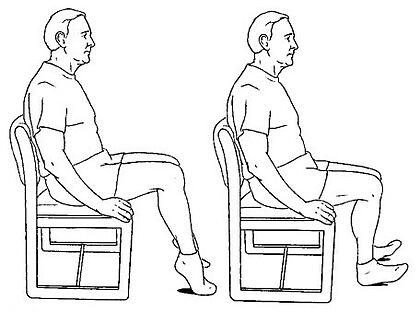
Your feet and ankles support you, even when sitting. These sitting balance exercises help keep them strong.
Step-by-step:
- Sit with feet flat on the floor, about hip-width apart.
- Keep your hands on your thighs or armrests.
- Lift both heels off the ground, balancing on your toes.
- Hold for 3-5 seconds.
- Lower your heels and lift your toes, balancing on your heels.
- Hold for 3-5 seconds.
- Repeat this toe-heel pattern 8-10 times.
Why it works: This exercise strengthens your calves and improves ankle stability, which helps your overall balance.
5. Seated Side Bends
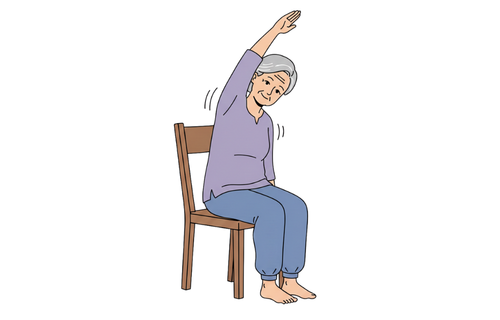
Balance involves both front-to-back and side-to-side stability.
Step-by-step:
- Sit up straight with feet flat on the floor.
- Extend your right arm overhead (or place your hand on your hip if overhead feels like too much)
- Slowly lean to the left, feeling a stretch along your right side.
- Hold for 3-5 seconds.
- Return to center using your core muscles.
- Repeat on the right side.
- Do 5-6 bends per side
Bonus: This exercise also gives your sides a good stretch, which can feel very refreshing.
Building Your Routine: Consistency is Key
Doing balance exercises only occasionally is better than nothing, but regular practice is needed to see real improvement.
Sample weekly schedule:
- Aim for 3-5 sessions per week.
- Each session can be as short as 10-15 minutes.
- Pick 3-4 exercises per session.
- Gradually increase your hold times and repetitions as you get stronger.
You don’t have to do every exercise each day. Mixing up your routine keeps it interesting and helps work different muscles.
Safety Tips: Staying Safe During Exercise
- Always start with exercises near a stable surface or with someone nearby.
- Stop if you feel dizzy, lightheaded, or experience pain (discomfort is okay, pain is not)
- Breathe normally during the exercises. Do not hold your breath.
- Increase your activity level gradually. Building balance takes time.
- Check with your doctor before starting if you have specific health concerns.
Final Thoughts
Seated balance exercises may seem simple, but that is what makes them effective. They are accessible, safe, and can truly improve your stability and confidence.
You do not need to master balance right away. Start with what you can do now. Practice for ten minutes today, and again in a few days. Soon, you will notice yourself sitting taller, moving with more confidence, and feeling more in control.
Take a sturdy chair, choose one exercise, and try it now. Your future self will appreciate the effort. Sometimes, the best exercise is the one that helps you care for yourself. You can do this.