

Remember when hopping on one foot was easy, and getting out of bed didn’t feel risky? If that sounds familiar, you’re in the right place. The good news is that balance exercises at home can help you feel steady and confident again, without making your living room a challenge course or needing special classes.
Balance is more than just avoiding falls when reaching for the remote. It’s about staying independent, confident, and moving through your day without worry. The best part is you don’t need special equipment or a gym membership. All you need is yourself, a sturdy chair, and ten minutes a day.
Why Balance Matters More Than You Think
Falls are the leading cause of injury for adults over 65, which is a serious concern. The good news is that balance can improve with practice, just like a muscle. The more you use it, the stronger it gets.
Poor balance can develop gradually. One day you may feel steady, and the next you notice some unsteadiness. This is common, but it can be improved.
Working on balance helps with:
- Walking with confidence (no more shuffle-stepping)
- Preventing falls and injuries
- Maintaining independence longer
- Improving posture and coordination
- Boosting overall strength and mobility
Setting Up Your Safe Balance Exercise Space
Before starting, it’s important to set up a safe and comfortable space—something often emphasized in any well-designed chair yoga book for seniors. Taking a few minutes to prepare your environment helps reduce risk and builds confidence, especially when doing exercises to improve balance at home. These simple safety steps aren’t about being overly cautious; they’re about exercising smart and staying independent.
Your Balance Exercise Checklist
- Clear the area by moving coffee tables, footstools, toys, and any magazines or clutter. Aim for at least a 6-foot radius of open space.
- Grab a sturdy chair. This is your safety buddy. Make sure it’s stable, doesn’t have wheels, and won’t slide around. Kitchen chairs usually work great. If your chair could audition for a skateboard, find a different one.
- Wear supportive, flat shoes with good grip. Avoid socks, as they can be slippery. Slippers may work, and socks with grip dots are also a good option.
- Have good lighting. You can’t balance well if you can’t see well. Turn on the lights and maybe open those curtains.
- Keep your phone nearby in case you need it. This is a simple safety precaution.
Your 10-Minute Daily Balance Plan
This routine is designed for beginners and can be done every single day. Start slow, be patient with yourself, and remember that wobbling is totally normal. Even trees sway in the wind.
Warm-Up (2 Minutes)
Never skip the warm-up. Cold muscles are grumpy muscles.
Ankle Circles (30 seconds each foot)
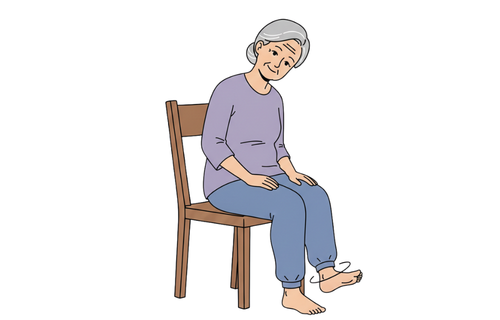
Sit in your chair and lift one foot slightly off the ground. Slowly rotate your ankle in circles, making 10 circles in one direction and then 10 in the other. Switch feet. This helps activate your ankle stabilizer muscles.
Seated Marching (1 minute)
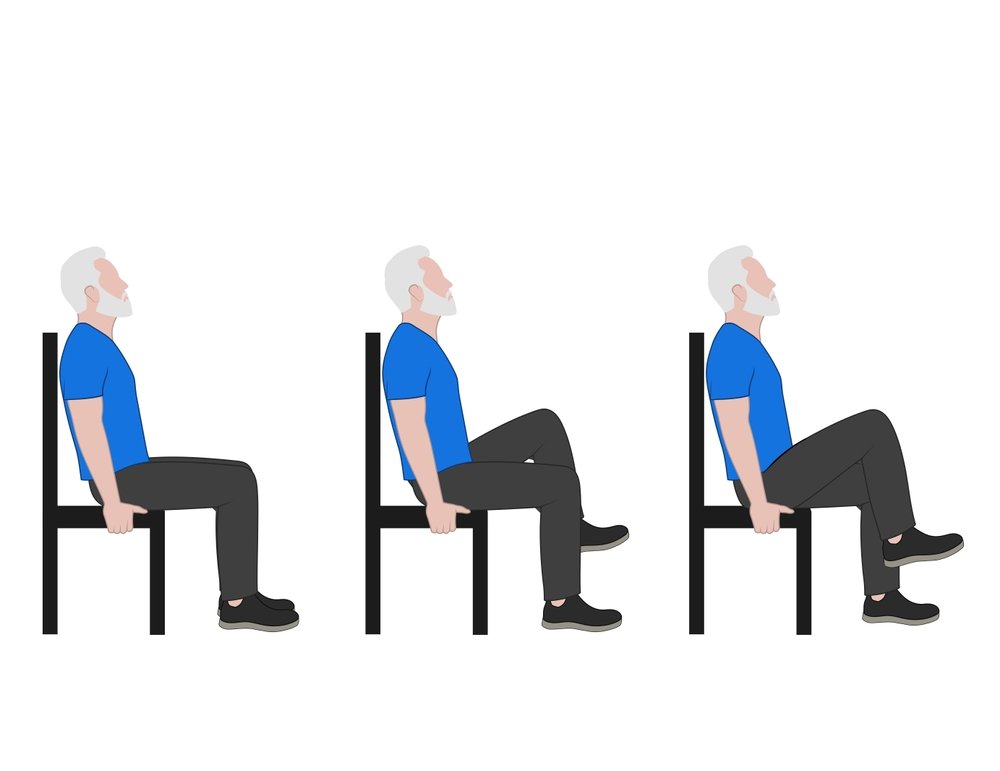
Stay seated and march your feet up and down, lifting your knees as high as is comfortable. This increases blood flow and prepares your legs for standing exercises.
The Main Exercises (7 Minutes)
1. Basic Standing Balance (1 minute)
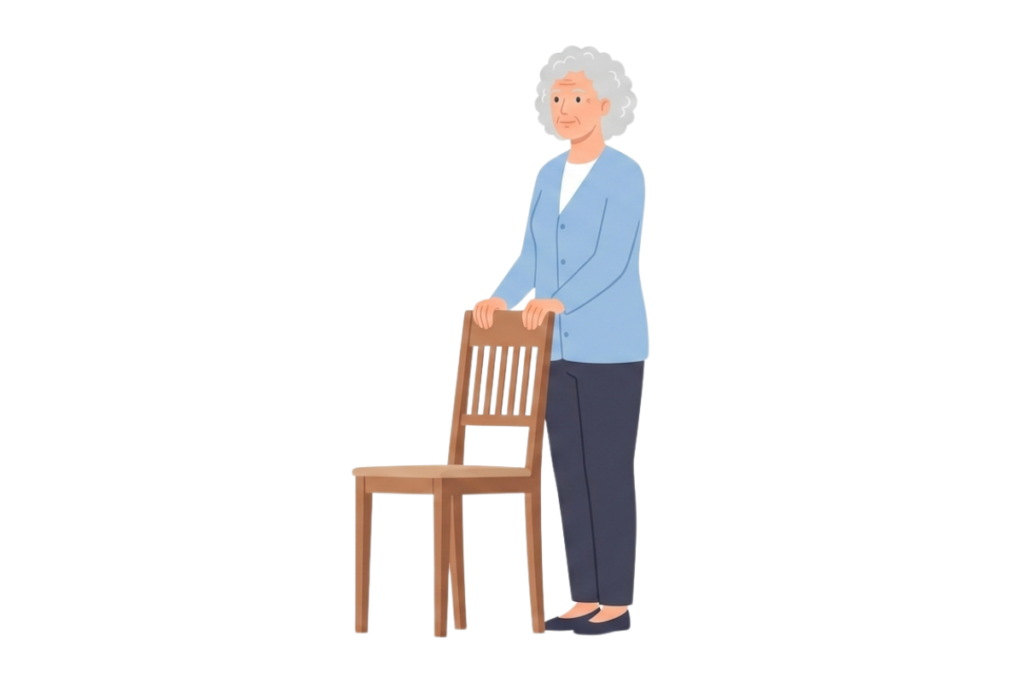
Stand behind your chair and hold the back with both hands. Stand tall with your shoulders back and look straight ahead. Try to lighten your grip, using only your fingertips for support instead of holding tightly.
Hold this for 30 seconds, rest for 15 seconds, then repeat. As this gets easier over days and weeks, you can try holding with just one hand.
2. Weight Shifts (1 minute)
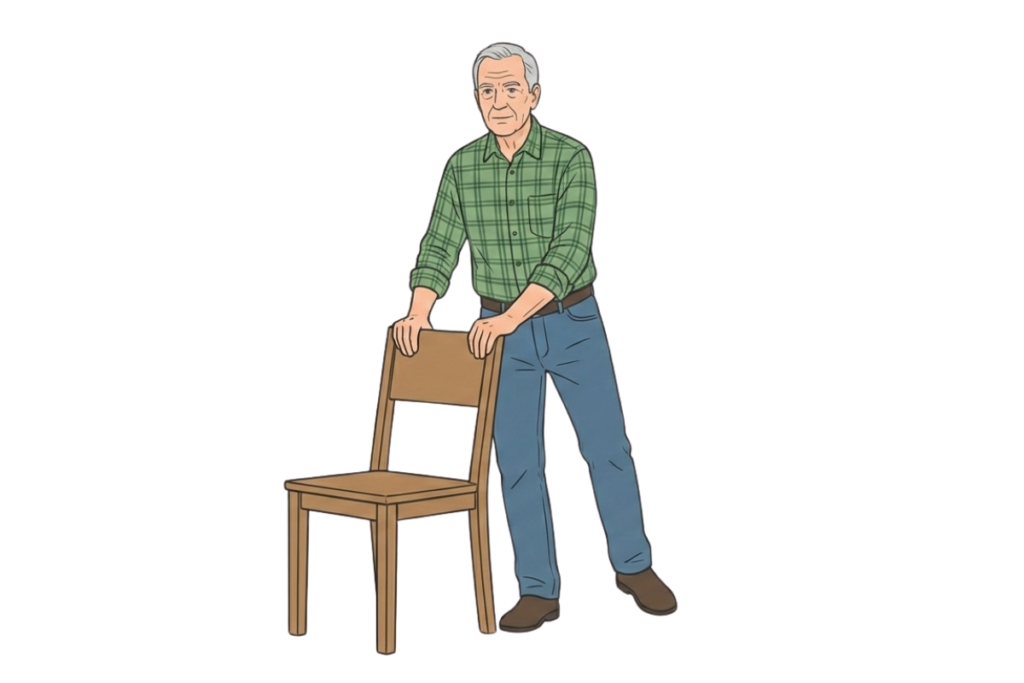
While standing behind your chair, shift your weight slowly to your right foot and lift your left heel slightly off the ground. You are not standing on one leg yet, just shifting your weight. Hold for 5 seconds, then shift to the left side. This is one repetition. Do 10 repetitions in total.
Focus on shifting your weight evenly from one foot to the other.
3. Single Leg Stance (2 minutes)
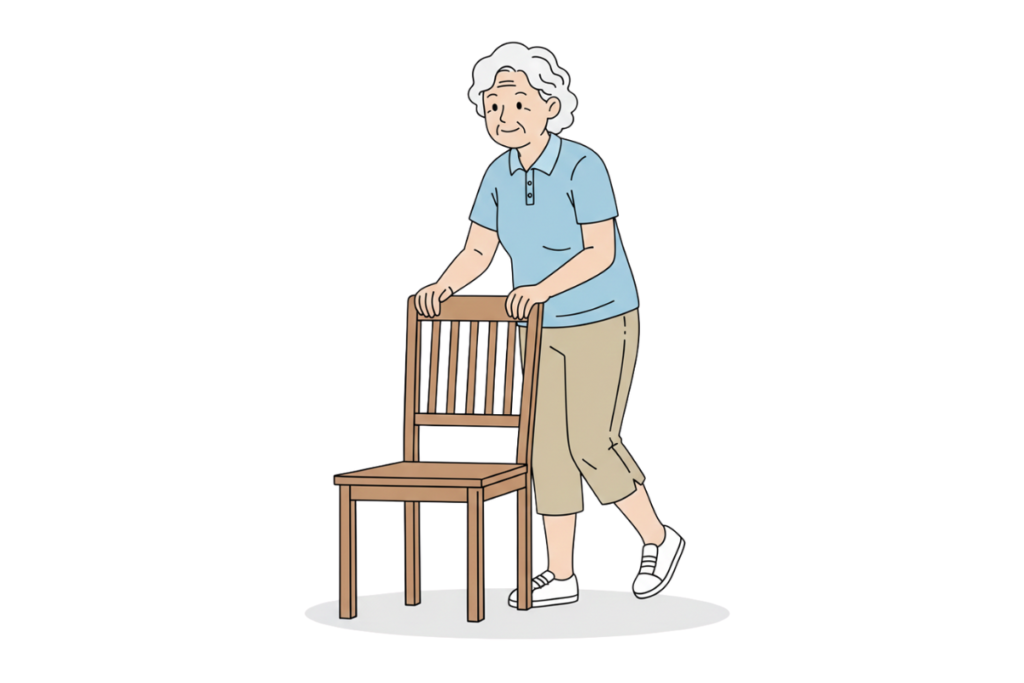
Hold your chair with both hands and lift your right foot just an inch or two off the ground. It does not need to be high. Hold for 10 seconds, or as long as you can while staying steady.
Rest for 10 seconds, then switch legs. Do this 3 times on each side. If 10 seconds feels impossible, start with 5. If you can do more, go for 15. This is your practice, not a competition.
4. Heel-to-Toe Walk (2 minutes)
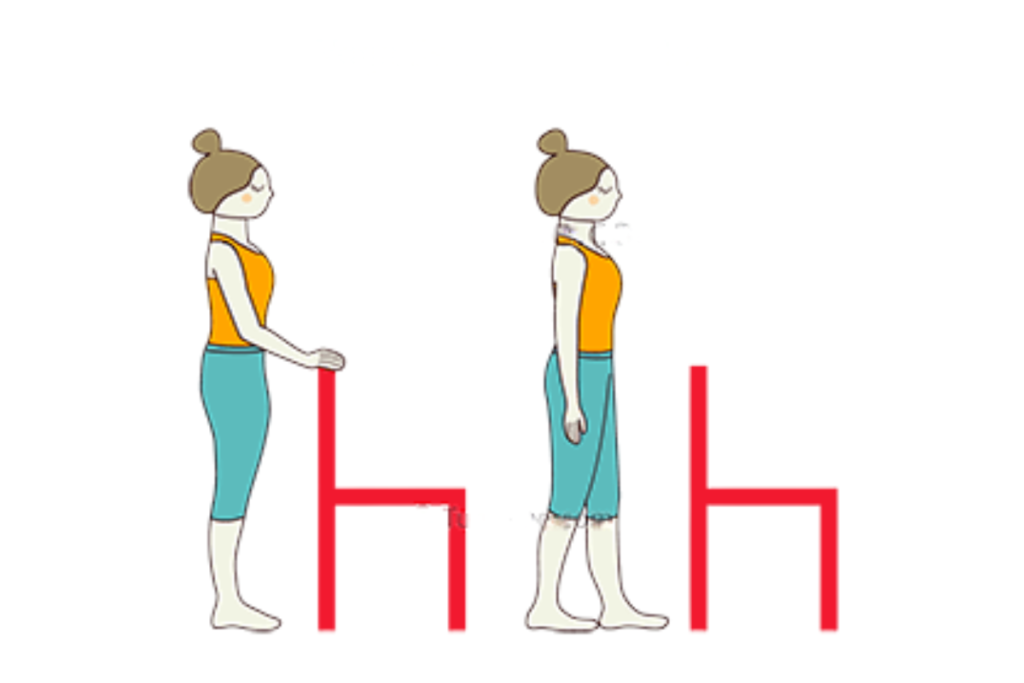
This one’s weirdly fun. Stand beside your chair (so you can grab it if needed) and walk in a straight line, placing your heel directly in front of your toes with each step. Like you’re walking a tightrope at the world’s most low-stakes circus.
Take 10 steps forward, turn around carefully, and take 10 steps back. Do this twice. If the heel-to-toe thing feels too challenging, just walk slowly in a straight line with normal steps and work up to it.
5. Standing Marches (1 minute)
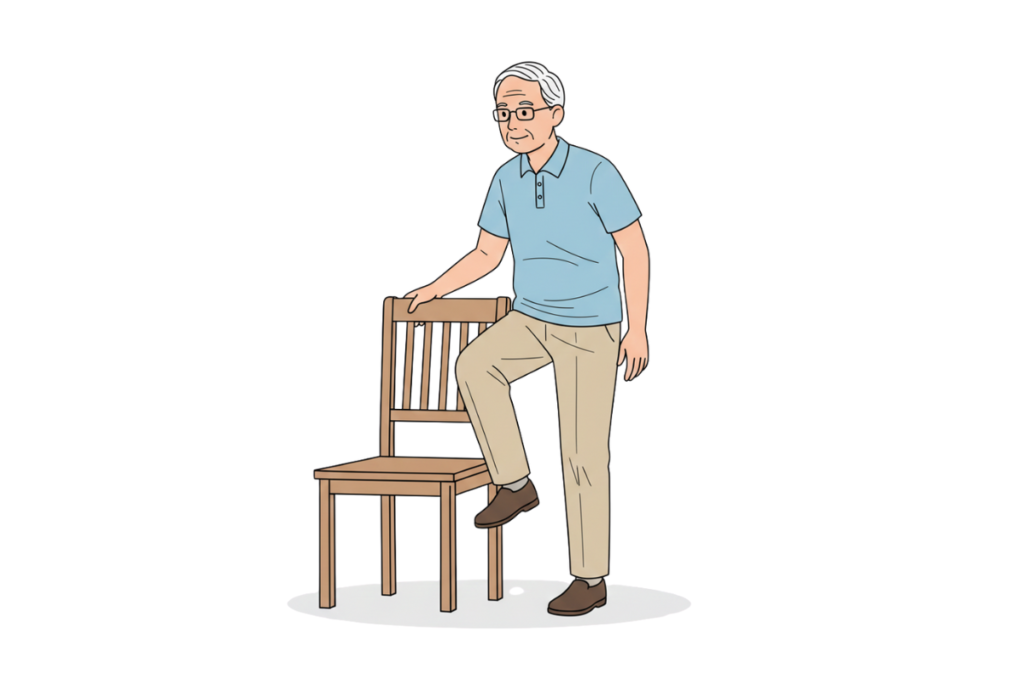
Hold your chair lightly and march in place, lifting your knees as high as is comfortable. Aim for 20 marches in total, 10 on each leg. This exercise challenges your balance and builds hip and leg strength.
Cool-Down (1 Minute)
Standing Calf Raises
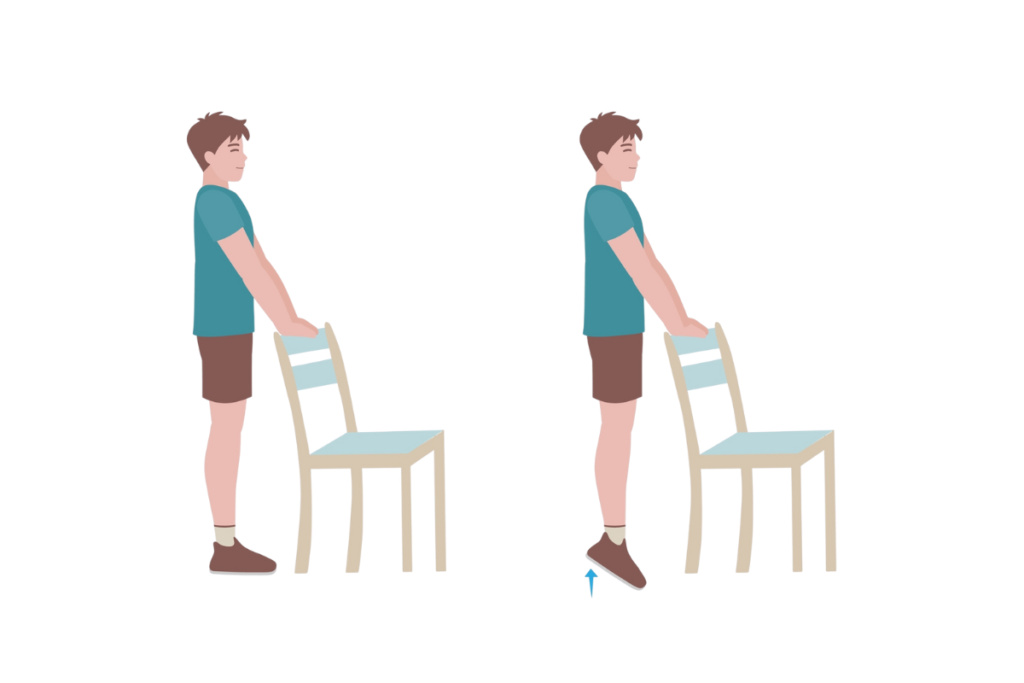
Hold your chair and rise up onto your toes. Hold for 3 seconds, then lower slowly. Repeat 10 times. This exercise strengthens your calves and ankles and provides a final balance challenge.
Tips for Staying Consistent
Here’s the thing about balance exercises: they only work if you actually do them. Revolutionary, I know.
Pick the same time each day. Maybe right after your morning coffee or before your favorite TV show. Routine is your friend.
Start with what you can do. If you can only manage 5 minutes at first, that’s fine. Five minutes is infinitely better than zero minutes.
Track your progress. Keep a simple log. Write down what you did and how it felt. Watching yourself improve is incredibly motivating.
Don’t compare yourself to others. Your balance journey is yours alone. Someone else might progress faster or slower. Doesn’t matter. You’re lapping everyone who’s still on the couch.
Stay patient. Balance improvements take time. You might not notice changes daily, but over weeks, you’ll realize you’re steadier, stronger, and more confident.
When to Level Up Your Routine
After a few weeks of consistent practice, you may find these exercises become easier. Here are some ways to progress:
- Hold single-leg stances longer (work up to 30 seconds)
- Try exercises with less chair support (one hand instead of two, fingertips instead of palms)
- Close your eyes during basic standing balance (this is surprisingly challenging)
- Add arm movements to your marching.
- Practice on slightly unstable surfaces, like a folded towel
Always progress gradually. Focus on steady, sustainable improvement rather than trying to do the most difficult version right away.
Frequently Asked Questions
How long will it take before I see improvements in my balance?
Most people notice small improvements within 2-3 weeks of daily practice. Significant changes usually appear around the 4-6 week mark. Consistency is everything here.
Is it normal to feel sore after balance exercises?
Mild muscle soreness is normal, especially when you are just starting. You are using muscles that may not have been active for a while. However, sharp pain is not normal and you should stop and consult your doctor if it occurs.
Can I do these exercises more than once a day?
Absolutely! If you want to practice morning and evening, go for it. Just make sure you’re not overdoing it to the point of excessive fatigue.
Final Thoughts
Here’s your challenge: don’t wait until Monday, next month, or until you feel “ready.” Do one exercise from this list today. Right now, even. Stand up, hold your chair, and do 10 weight shifts. That’s it.
Balance exercises at home aren’t glamorous. They won’t make you Instagram famous (unless you’re really creative with your camera angles). But they will help you stay independent, confident, and steady on your feet for years to come.
Ten minutes a day is a small commitment, but the reward is being able to move through your life with confidence, without worrying about stumbling or falling. Your future self, walking confidently to wherever they want to go, will thank you for starting today.