

Have you ever found yourself lying in bed at three in the morning, having a very intense mental debate about whether a hot dog is a sandwich? Or perhaps you have spent the last two hours staring at the ceiling, counting every single bump in the drywall? We have all been there. Sleep can be a bit of a fickle friend as we get older, sometimes deciding to leave the party just when things are getting cozy. If you are tired of being tired, it might be time to try the 4 7 8 breathing technique for sleep, a method so relaxing it is basically a lullaby for your nervous system.
You do not need any special equipment or a gym membership to begin. You can even do this while sitting in your favorite chair. This guide will help you take things slow, keep it simple, and relax your mind so you can get the rest you need.
Why We All Need a Little Help Falling Asleep
The world can be a noisy place, from the news to neighborhood sounds and even aches and pains. It is no surprise that our minds stay active at night. While sleep changes are normal as we age, you do not have to accept restless nights as the only option.
Focused breathing and gentle chair yoga work well because your body responds naturally to them. When you feel stressed or alert, your body is in ‘fight or flight’ mode. Deep, steady breathing helps your body switch to ‘rest and digest’ mode, signaling that it is safe to relax.
What Exactly is This Breathing Magic?
Dr. Andrew Weil popularized the 4-7-8 technique, calling it a natural way to calm the nervous system. Unlike gadgets that make big promises, this method uses something you already have—your breath.
The numbers represent a specific rhythm:
- 4: Inhale through your nose for four seconds.
- 7: Hold that breath for seven seconds.
- 8: Exhale forcefully through your mouth for eight seconds.
It really is as simple as it sounds. This technique helps slow your heart rate and calm your thoughts. Many people find it more helpful than counting sheep.
Getting Settled: Beginner Chair Yoga to Prep the Body
Before starting the breathing technique for better sleep, relax your neck, shoulders, and back. You can do these simple movements in any chair, as long as your feet can rest comfortably on the floor.
1. The “I Don’t Know” Shoulder Shrugs
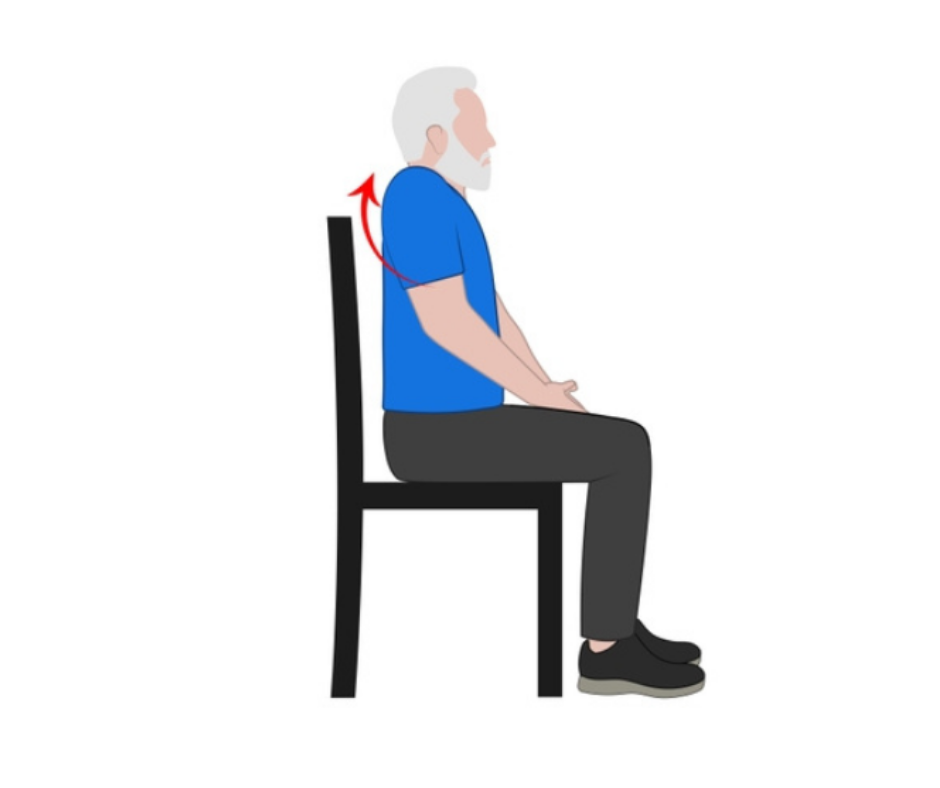
Many of us hold tension in our shoulders. This exercise is easy and does not require any coordination.
- Sit up tall (or as tall as feels good today).
- Inhale deeply and lift your shoulders up toward your ears.
- Hold for a moment, then exhale and let your shoulders drop.
- Repeat this three or four times. You may notice your shoulders feel lighter and more relaxed.
2. Gentle Neck Semi-Circles
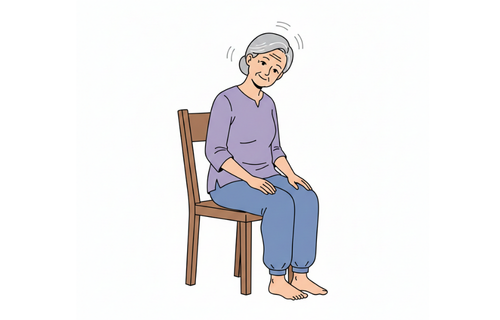
Move your head gently and slowly. The goal is to keep the movements soft and relaxing.
- Let your chin drop slowly toward your chest.
- Slowly roll your right ear toward your right shoulder. Stop if you feel a nice stretch.
- Roll your head back to the center, then to the left.
- Move slowly and carefully. If you hear a few cracks or pops, do not worry. As long as there is no pain, it is normal.
3. The Seated Cat-Cow
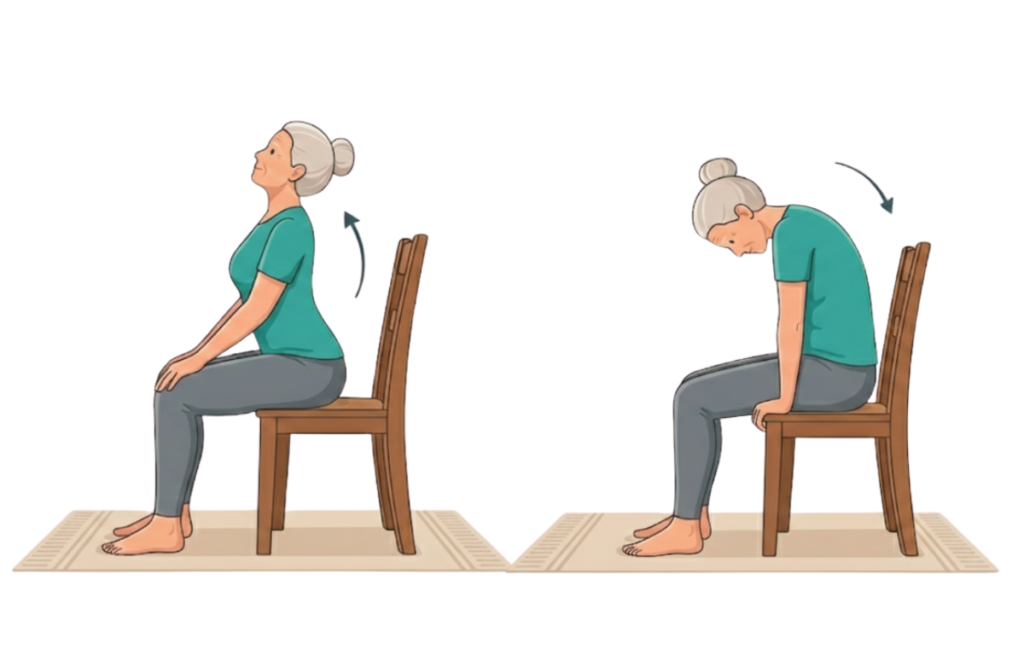
This exercise is a common part of chair yoga. It helps loosen your spine and release tension from sitting or walking.
- Place your hands on your knees.
- The Cow: As you inhale, lift your chest and look up slightly toward where the wall meets the ceiling. Arch your back just a little bit.
- The Cat: As you exhale, round your spine like a grumpy Halloween cat, tucking your chin toward your chest.
- Move gently between these two poses for about a minute. This can help your back feel more relaxed.
The Main Event: How to Do the 4-7-8 Technique
Now that your body is more relaxed, you can start the breathing exercise. You can do this while sitting or lying down. If you are new to this, sitting up may help you focus on the rhythm at first.
Step 1: Position Your Tongue
Place the tip of your tongue against the ridge just behind your upper front teeth and keep it there during the exercise. You will exhale through your mouth around your tongue. If it feels unusual at first, that is normal.
Step 2: The Silent Inhale
Close your mouth and inhale quietly through your nose to a mental count of four. No need to rush; just a nice, steady stream of air.
Step 3: The Great Hold
Hold your breath for a count of seven. This step helps your body relax. If seven seconds feels too long, you can count a bit faster. The goal is to feel relaxed, not uncomfortable.
Step 4: The “Whoosh” Exhale
Exhale fully through your mouth, making a ‘whoosh’ sound as you count to eight. Try to make the exhale strong and steady.
Step 5: Repeat the Cycle
That completes one breath. Repeat this cycle three more times for a total of four breaths. As you get used to it, you can try up to eight breaths, but four is a good place to begin.
Helpful Tips for Beginners and Seniors
If you feel a little lightheaded when you try this for the first time, that is normal. You are breathing more deeply than usual. If you feel dizzy, stop and breathe normally for a minute before trying again later.
Here are a few things to keep in mind:
- Find a quiet place to practice, where you will not be interrupted.
- Do not worry about counting perfectly. You do not need a stopwatch. Your natural rhythm is fine, even if your count is not exact.
- Making a ‘whoosh’ sound as you exhale can be very relaxing and help release tension.
- If you are sitting, try to keep your back straight so your lungs have enough room to expand.
Why This Technique is a Game-Changer for Seniors
One great thing about the 4 7 8 breathing method for better sleep is that it is gentle on your body. It does not put stress on your joints or heart. Slowing your breathing can help lower your heart rate and may even help reduce blood pressure over time.
This technique can also help with anxiety. If you are worried about family or appointments, doing four rounds of this breathing can help your mind reset. Counting gives your mind something to focus on while your body relaxes.
Consistency Over Perfection
The key to making this technique work is to practice it regularly. The more you use it, the more effective it will become. Try to practice this twice a day—once in the morning to start your day calmly, and once at night before bed. If your mind wanders, gently bring your focus back to your breathing. It is normal to need some practice. Being consistent is more important than doing the technique perfectly. Your body will benefit from your efforts, even if it feels awkward at first.
Final Thoughts
You deserve to wake up feeling refreshed and ready for the day. Sleep should not feel like a chore, and with the 4-7-8 breathing technique and some chair yoga, it can become easier.
Why not try it now? Take a deep breath in for four counts, hold it for seven, and exhale with a ‘whoosh’ for eight. You are already on your way. Take this small step today. Tonight, when you go to bed, remember you have a helpful tool to make falling asleep easier. Sweet dreams!
