

The world is a very loud place. Between the television blaring the news, the neighbor’s leaf blower that seems to run on a twenty-four-hour cycle, and that one squeaky floorboard in the hallway, finding a moment of actual peace can feel like a full-time job. If you have been looking for a way to quiet internal and external noise without twisting your body into a literal human pretzel, you are in the right place. Today, we are talking about one of the best-kept secrets in the yoga world: Bhramari Pranayama. Specifically, we are diving into the many humming bee breath benefits that can help you reclaim your sense of calm right from the comfort of your favorite sturdy chair.
You don’t need to be a gymnast or super flexible to try this. If you can sit and make a humming sound, you’re more than ready. This practice is gentle, effective, and even a bit fun. So, find a seat, relax, and let’s see how a simple hum can brighten your day.
What Exactly is Humming Bee Breath?
Yoga studios call it Bhramari, but we’ll call it Humming Bee Breath because that’s just what it sounds like. It’s a breathing technique in which you make a low, steady hum as you exhale.
It’s like giving your brain a gentle massage. When you hum, the vibration moves through your head, chest, and nervous system, helping your nerves relax. For older adults, it’s a great option because it doesn’t require any physical effort. You can do it while watching birds, waiting for the kettle, or during a TV commercial.
Why Your Body and Mind Will Thank You
You might wonder how making a buzzing sound counts as exercise. While it won’t burn many calories, the health benefits are impressive. Let’s look at why this simple hum is so helpful for seniors.
It Pulls the Plug on Stress
Our bodies have a built-in ‘rest and digest’ system called the parasympathetic nervous system. When we’re stressed, it switches to ‘fight or flight,’ making us feel anxious. The vibrations from humming bee breath help activate the ‘rest’ mode, telling your brain it’s safe to relax.
It Helps with Mental Clarity
Sometimes it’s hard to focus when your thoughts are racing. This technique helps because it encourages you to pay attention to sound and vibration, which can clear your mind. It’s a good way to find focus before starting a project or reading.
Better Sleep is Just a Buzz Away
If you have trouble sleeping at night, this breathing exercise can help. Doing a few rounds of humming bee breath before bed can lower your heart rate and get your body ready for restful sleep. It’s quieter and more effective than counting sheep or pacing the floor.
Setting the Stage: Your Chair Yoga Setup
Before we start, let’s make sure your space is ready. For chair yoga, the most important thing you need is a sturdy chair.
- Choose a sturdy chair. Avoid chairs with wheels or very soft recliners. Make sure your feet can rest flat on the floor.
- Sit up straight but stay relaxed. Try not to slouch, but you don’t need to sit rigidly.
- Try to make your space quiet. Turn off the TV if possible. If there’s noise outside, your humming will help you focus.
Step-by-Step Guide: How to Do the Humming Bee Breath
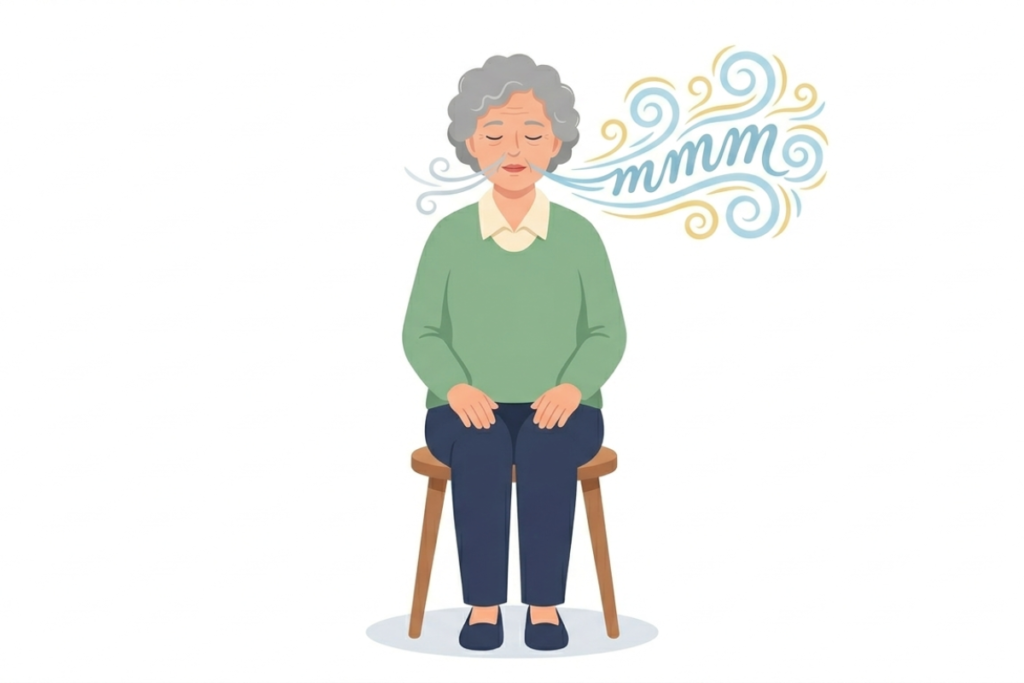
Now, let’s begin. Follow these simple steps to help you feel calm.
- Get Comfortable: Sit toward the front edge of your chair. Keep your spine straight, and your shoulders relaxed. Let them drop away from your ears.
- Close Your Eyes: This helps you focus on the internal vibration. If you feel dizzy with your eyes closed, just pick a spot on the floor to look at softly.
- The Ear Plug Move (Optional): Gently place your index fingers on the “tragus” of your ears. That is the little fleshy bit that sticks out over the ear canal. You don’t need to shove your fingers inside; just gently press it shut. This makes the humming sound much louder inside your head.
- Inhale Deeply: Take a slow, smooth breath in through your nose. Fill your belly like a balloon.
- Exhale and Hum: Keeping your lips lightly closed, make a long, steady “Mmmmmm” sound as you breathe out.
- Feel the Vibe: Focus on the vibration in your nose, forehead, and chest.
- Repeat: Do this for about five to ten breaths.
When you finish, keep your eyes closed for a moment and notice how your head feels. Many people feel lighter and more relaxed after just a few minutes.
Beginner Chair Poses to Pair with Your Breath
To create a full daily calm routine, you can add a few simple chair yoga moves to your humming bee breath. These movements help loosen your joints and make breathing easier.
The Seated Neck Release

Many people feel tension in their necks, especially when stressed.
- Sit tall and take a deep breath.
- As you exhale and start your hum, gently tilt your right ear toward your right shoulder.
- Inhale back to the center.
- Exhale, hum, and tilt to the left.
- Repeat three times on each side. This can help your neck feel more relaxed.
Seated Cat-Cow (The Spine Waker)
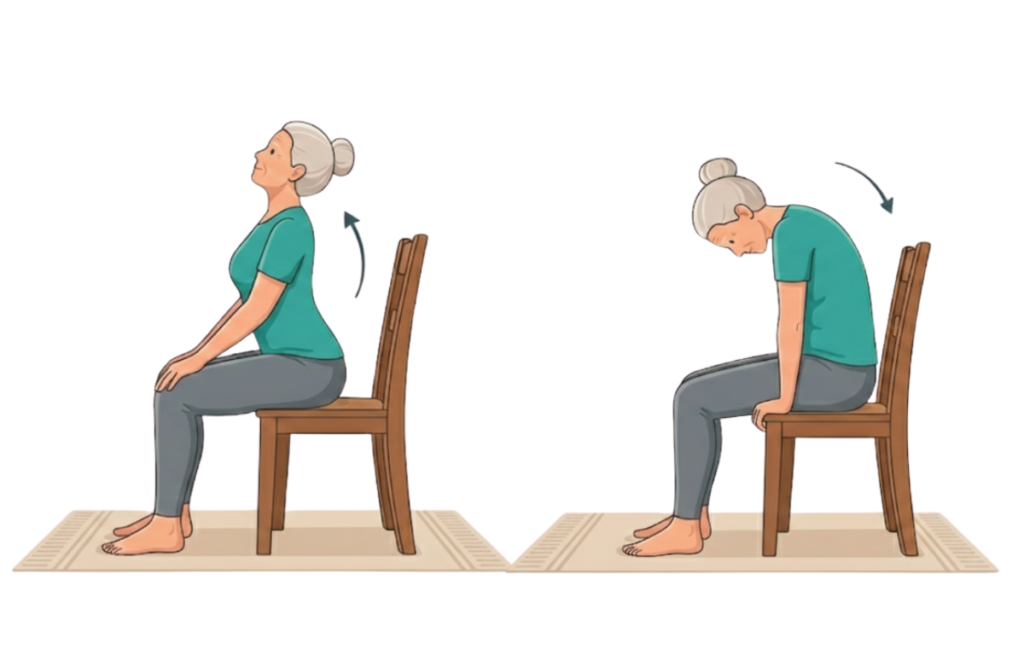
This exercise helps you move your back while staying seated.
- Place your hands on your knees.
- Inhale: Lift your chest, look up slightly, and arch your back a tiny bit.
- Exhale: Start your bee hum, round your back like a grumpy cat, and look toward your belly button.
- The combination of humming and gentle spine movement can help calm your nervous system.
The Shoulder Shrug and Release
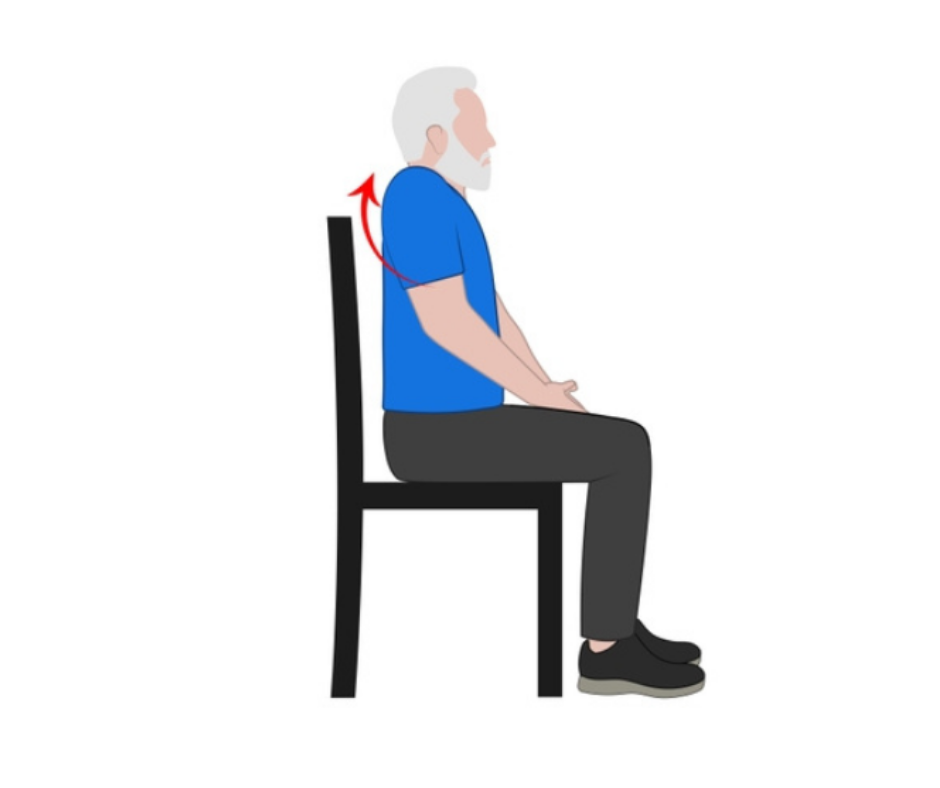
This exercise is helpful if you’ve spent a lot of time sitting or looking down.
- Inhale: Scrunch your shoulders all the way up to your ears. Really squeeze them.
- Exhale: Let out a big “Mmmm” hum and let your shoulders drop down like heavy weights.
- Do this three times. It helps your body release tension from the day.
Making it a Habit (Without the Pressure)
One great thing about humming bee breath is that you don’t need special equipment or clothing. The real benefits come from practicing it regularly.
You don’t need to do this for thirty minutes. Even three minutes in the morning is great. If you remember to do it before bed, that’s wonderful. Aim for progress, not perfection. If you miss a day, just try again when you can.
A Note on Being Gentle with Yourself
If humming makes your nose or throat feel ticklish, that’s normal. If your hum doesn’t sound perfect, that’s fine too. No one is judging. The goal is to create a vibration that helps you feel better.
If you ever feel short of breath, just stop, take a few regular breaths, and try again with a shorter hum. You are the boss of your own breath. Listen to what your body is telling you.
Final Thoughts
You have all the tools you need to find a little more peace in your daily life. The benefits of bee breathing techniques are waiting for you, and all they require is a chair and a few minutes of your time. You don’t have to change your whole life today. You just have to sit down, take one deep breath, and let out a little hum.
Consider this a small gift to yourself. In a busy world, this is a way to care for your own well-being. Try one round now: close your eyes, take a breath, and hum. Sometimes, calm is just a breath away. Keep it simple and gentle.
