

Have you ever stopped to think about the fact that you are currently breathing? Probably not, until I just mentioned it. Now, you are likely hyper-aware of every inhale and exhale, wondering if you are doing it “right.” Welcome to the club! Many of us go through life taking short, shallow sips of air, as if we were trying to drink a thick milkshake through a tiny straw. When it comes to the great debate of diaphragmatic vs belly breathing, things can get a little confusing, but do not worry. We are going to break it down in a way that makes sense, especially if you are a beginner or a seasoned pro at sitting in a comfortable chair.
If you ever feel out of breath just walking to the mailbox or notice tension in your shoulders, this guide is for you. We will look at why your breath matters, how to improve it, and share some simple chair yoga moves to help you breathe easier. Find a comfortable seat, and let’s get started.
The Big Secret: Is There Actually a Difference?
Here is something important to know: when people mention diaphragmatic and belly breathing, they are usually talking about the same thing. In wellness, we sometimes use different terms to make things sound more official, but they often mean the same process.
The diaphragm is a large, parachute-shaped muscle that sits just below your lungs. When you take a deep breath, this muscle moves down and pushes your stomach out, causing your belly to expand. Whether you call it diaphragmatic breathing or belly breathing, it’s the same helpful process.
Why are there two names? Often, doctors and yoga teachers use the term “diaphragmatic breathing” in professional settings, while “belly breathing” is a more casual, friendly term. No matter what you call it, the goal is to breathe from your core instead of your chest.
Why Your Chest Is a Terrible Place to Breathe From
Many people breathe mainly with their chest. If you notice your shoulders rising when you inhale, you are likely a chest breather. This type of breathing is helpful in stressful situations, but it is not ideal for everyday activities like sitting at your desk or relaxing.
Breathing into your chest uses only the upper part of your lungs. This can keep your body in a state of stress, making you feel more anxious or tense. Breathing into your belly signals your nervous system to relax and helps you feel calmer.
A Simple Step-by-Step Guide to Belly Breathing
Before we get into the yoga poses, let’s practice the actual breath. You can do this right now while reading this. No fancy equipment or spandex required!
- Get Comfortable: Sit back in your chair. Try to feel your “sit bones” pressing into the seat. Let your feet rest flat on the floor.
- The Hand Placement: Place one hand on your chest and the other hand on your belly, right over your belly button.
- The Inhale: Breathe in slowly through your nose. Try to keep your hand on your chest, perfectly still. Imagine you are sending the air all the way down to your belly button. You should feel the hand on your belly move outward.
- The Exhale: Let the air out through your mouth like you are blowing through a straw. Feel your belly sink back in.
- Repeat: Do this three more times.
Do not worry if this feels strange at first. If you have been breathing with your chest for many years, your diaphragm may need some time to adjust. Be patient as you practice.
Beginner Chair Yoga Poses to Open Your Breath
Now that you know how to breathe deeply, let’s focus on where to do it. Sometimes, tight muscles can make deep breathing harder. These simple chair yoga poses help open your torso, giving your lungs more space to expand.
1. Seated Cat-Cow Stretch
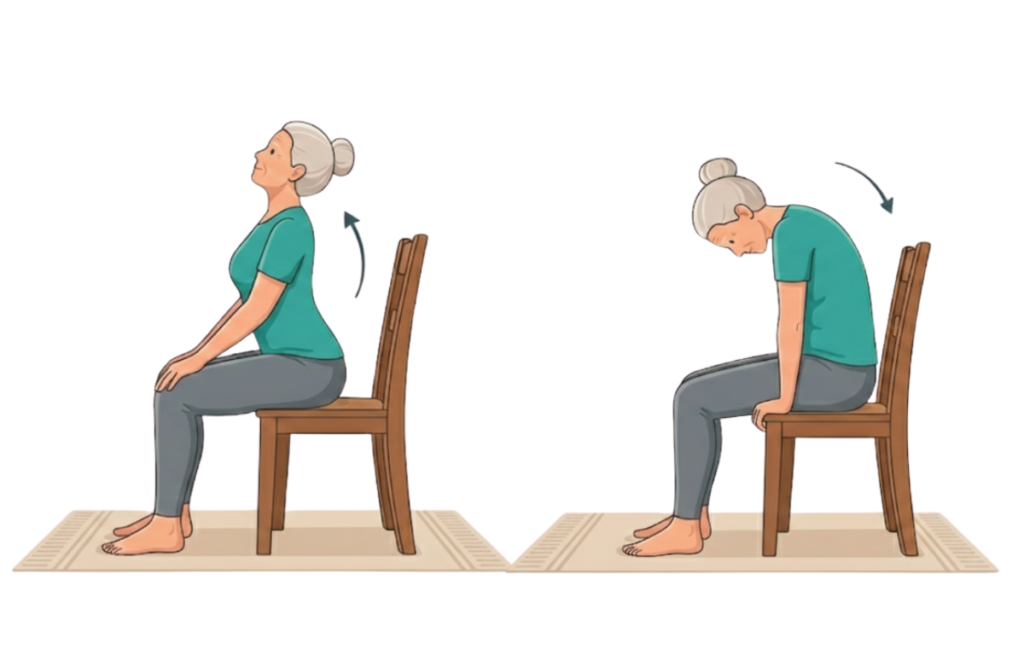
This pose is a key part of chair yoga. It helps wake up your spine and teaches you to match your breath with your movements.
- Step 1: Sit toward the front edge of your chair with your feet flat on the ground. Place your hands on your knees.
- Step 2 (The Cow): As you inhale, slowly lift your chest and look slightly upward. Arch your back gently and feel your belly expand. This is where that belly breathing really shines!
- Step 3 (The Cat): As you exhale, round your spine like a grumpy Halloween cat. Tuck your chin toward your chest and pull your belly button in toward your spine.
- Step 4: Repeat this five times. Focus on the feeling of the air filling your lungs as you open up, and on the feeling of it leaving your body as you curl in.
2. The Seated Side Stretch
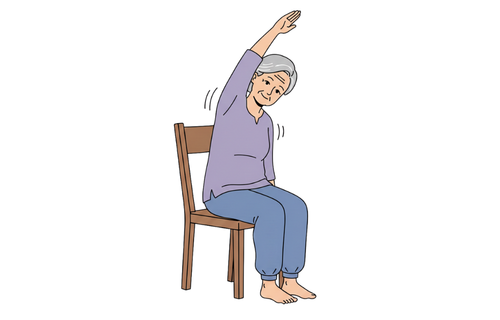
If your ribs feel tight, this stretch can help. It opens the muscles between your ribs, making it easier to breathe deeply.
- Step 1: Sit tall and hold onto the side of your chair with your left hand for stability.
- Step 2: Reach your right arm up toward the ceiling. If your shoulder feels uncomfortable, you can rest your hand on your shoulder or hip instead.
- Step 3: Lean gently to the left.
- Step 4: Take three deep belly breaths here. Notice the right side of your rib cage expanding as you breathe in.
- Step 5: Switch sides and repeat.
3. The Cactus Arms Chest Opener
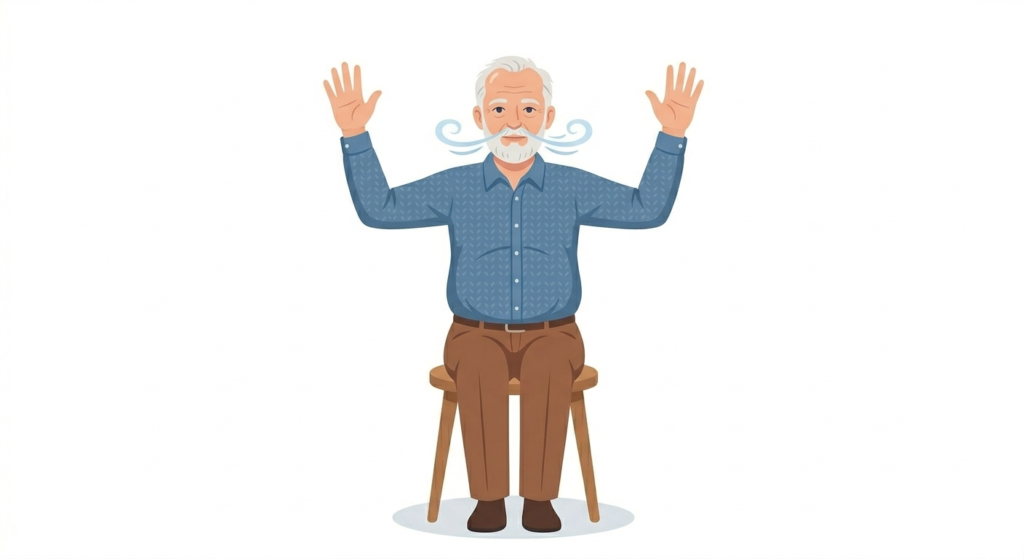
If you spend a lot of time using a phone or computer, your chest muscles may feel tight. This pose helps pull your shoulders back and opens up the front of your body.
- Step 1: Sit up straight. Raise your arms to shoulder height and bend your elbows to 90 degrees. Your arms will form a shape similar to a cactus or a goalpost.
- Step 2: As you inhale, gently pull your elbows back and lift your chest.
- Step 3: Take a deep breath into your belly. You should feel a nice stretch across your chest.
- Step 4: As you exhale, let your arms relax down.
- Step 5: Repeat this three times. This exercise can help improve your posture throughout the day.
Which Is Better: Diaphragmatic or Belly Breathing?
Since we have established that they are essentially the same thing, the “better” one is whichever one you actually remember to do!
Technically, diaphragmatic breathing is the most effective because it helps you use your respiratory system efficiently. It can lower your heart rate, reduce blood pressure, and even support digestion. Simple belly movements can make a big difference for your health.
Consistency is more important than perfection. You do not need to breathe this way all the time. Instead, try to notice your breath a few times each day. For example, when you are waiting for the kettle to boil or sitting in a waiting room, check if your belly is moving. If not, gently encourage it.
Common Mistakes to Avoid
Breathing is natural, but it is easy to make mistakes. Here are a few things to watch out for:
- The Shoulder Shrug: If your shoulders are rising too much, you may be tensing up. Keep your upper body relaxed. Focus on letting your belly do the work instead of your neck.
- Holding Your Breath: Sometimes, when people focus on breathing, they end up holding their breath between inhale and exhale. Try to keep it like a smooth wave coming in and going out.
- Sucking It In: Many people are used to pulling in their stomach for photos or to look fit. For deep breathing, let your belly relax and be soft. Your diaphragm needs space to move.
Taking Your First Small Step
One of the best things about chair yoga and deep breathing is that you can do them anywhere. You do not need a yoga mat, flexibility, or to touch your toes. All you need is a chair and your breath.
If you feel overwhelmed, try just one thing today. Take a minute to sit quietly and notice your belly rising and falling with each breath. That alone is a successful practice. By learning something new for your health, you are already making progress.
Final Thoughts
Understanding diaphragmatic breathing vs belly breathing is less about learning a complex new skill and more about returning to the way you were born to breathe. Watch a baby or a sleeping puppy, their bellies rise and fall perfectly. They have not yet learned the bad habit of chest breathing!
Practicing these simple chair yoga poses and focusing on your diaphragm are great ways to support your health. You can reduce stress, boost your energy, and help your body work better. The next time you feel stressed, remember your diaphragm. Take a deep breath, relax your belly, and enjoy the calm. Try taking three deep breaths before you continue with your day. Your body will appreciate it.
