
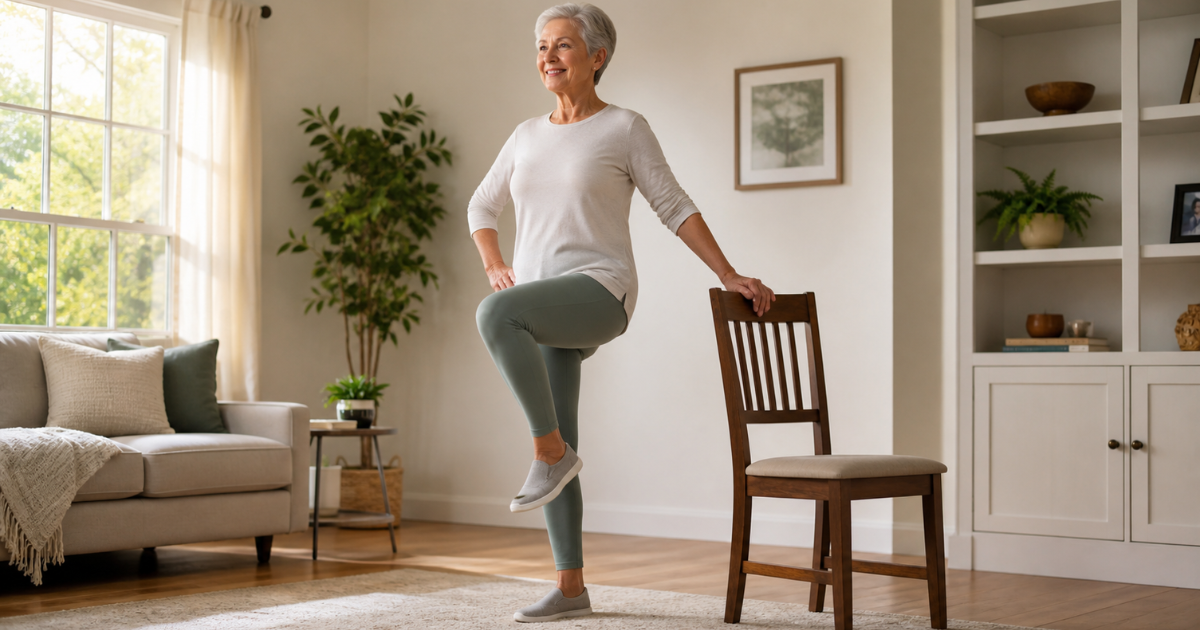
Gravity can be tricky. As kids, it just made our ice cream fall, but as we age, it feels more personal. One moment you’re heading to the kitchen, and the next, your foot slips. Falling is serious, but improving your balance can actually be enjoyable. Doing fun balance exercises for elderly is a smart way to stay independent, active, and keep gravity in check.
You don’t need to be a gymnast or super flexible to stay steady. You don’t even have to leave your favorite chair. Chair yoga and chair-supported exercises are great tools for seniors. The chair keeps you safe while you strengthen the muscles that help with balance. Whether you’re just starting out or want to feel more confident, these moves are for you.
We’ll go through ten easy, effective, and enjoyable moves to help you stay steady. No special workout clothes needed. Just grab a sturdy chair, some water, and a good attitude. Let’s get started!
Why Balance is Your New Best Friend
Your body is like a classic car—it still looks good and has lots of life left, but sometimes it needs a little tune-up. Balance isn’t just about standing on one leg. It’s about having a strong core, steady ankles, and your brain knowing where your feet are, even when you’re not looking.
Practicing balance is like preparing your body for anything. You build strength to catch yourself if you trip over a rug or a toy. Plus, moving your body releases feel-good chemicals in your brain. It’s hard to feel down when you’re learning something new.
Setting Up Your “Gym” (The Kitchen Chair)
Before we start these balance exercises, let’s talk about what you need. You don’t need a gym membership—just a sturdy chair.
- No Wheels: This is the most important rule. If your chair has wheels, use a different one. You want a chair that stays in place, not one that moves around.
- No Arms (Optional): A chair without arms is usually easier for movement, but if you feel safer with armrests, you can use them.
- Solid Ground: Make sure your chair is on a non-slip surface. Avoid rugs that bunch up. Hardwood, tile, or a thin carpet work well.
10 Fun Balance Exercises for Elderly Beginners
1. The Seated Posture Power-Up
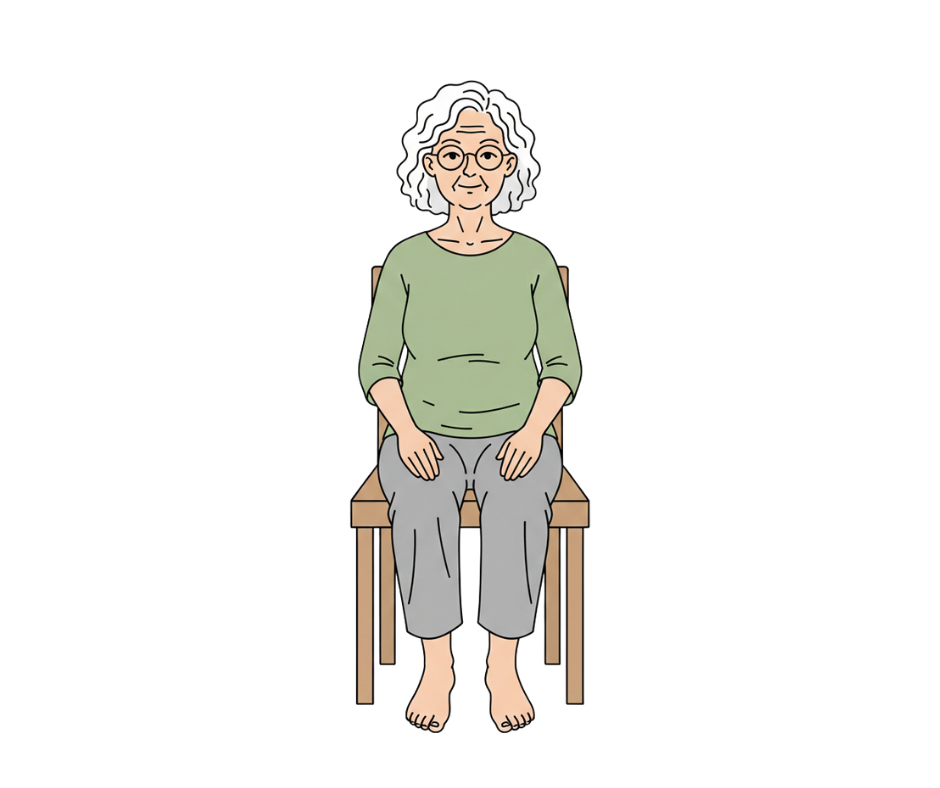
Before we can balance, we have to sit correctly. Most of us spend our time slumped like a half-folded piece of laundry. This move wakes up your core.
- How to do it: Sit on the edge of your chair with your feet flat on the floor. Imagine there is a golden thread pulling the top of your head toward the ceiling.
- The Move: Pull your belly button in slightly and roll your shoulders back and down.
- Why it works: It strengthens the muscles along your spine, which are the “command center” for your balance.
2. The Ankle Circle
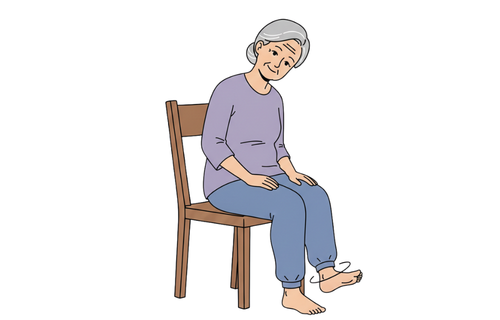
Stiff ankles are a major cause of trips. If your ankles do not move freely, your feet cannot react quickly to uneven ground.
- How to do it: While seated, lift your right foot off the floor.
- The Move: Pretend your big toe is a pen and draw the biggest circles you can in the air. Do ten circles one way, then ten the other. Switch legs.
- Pro Tip: If you hear some clicks and pops, don’t worry. As long as it doesn’t hurt, it’s just your joints moving and loosening up.
3. The One-Legged Flamingo
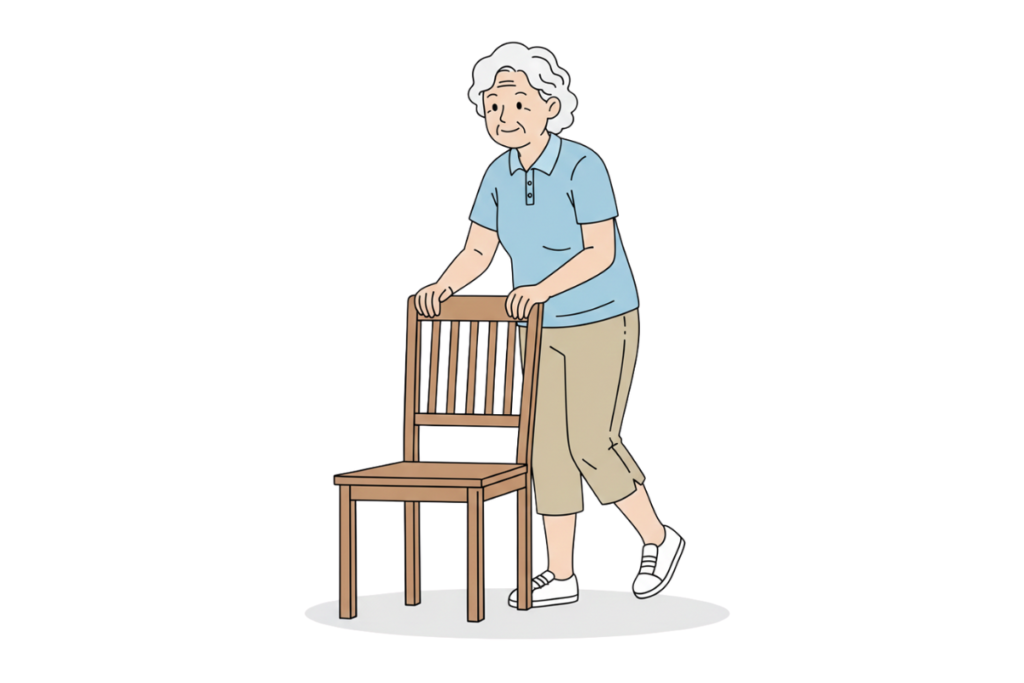
This is a classic balance move. Use the chair for support so you stay safe and steady.
- How to do it: Stand behind your chair and hold onto the back with both hands.
- The Move: Slowly lift your left foot off the ground. Try to hold it for ten seconds.
- The Challenge: If you feel steady, try holding on with just one hand. If you’re confident, try using only one finger.
- Why it works: It forces your standing leg to make tiny micro-adjustments, which is exactly how balance is built.
4. Seated Knee Marches
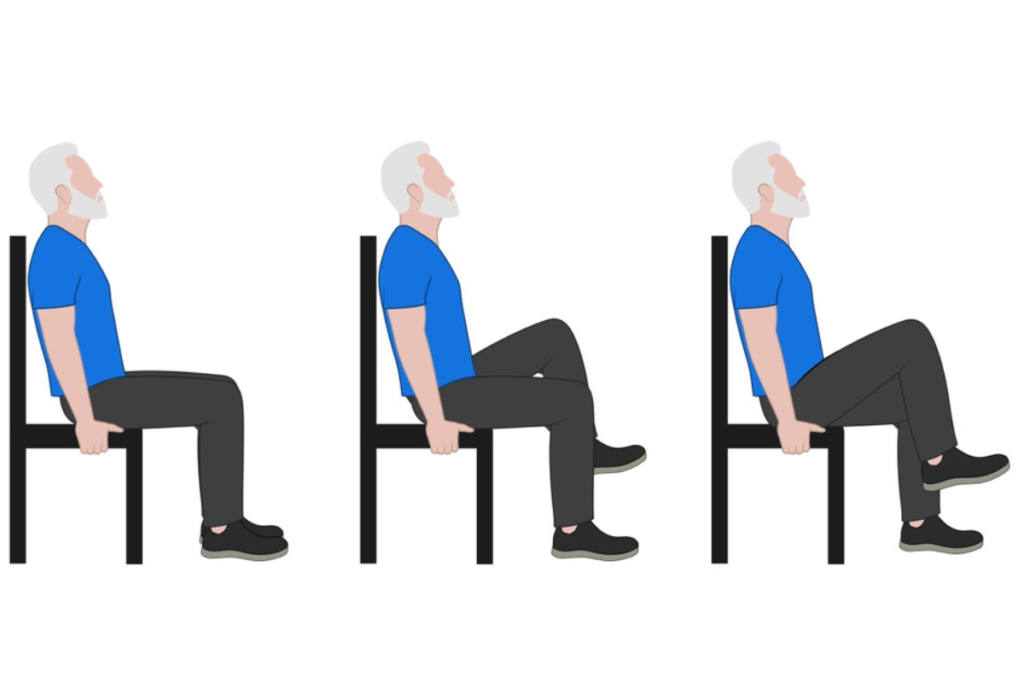
This move builds hip strength, which is important for stepping over curbs or getting out of cars.
- How to do it: Sit tall in your chair.
- The Move: Lift your right knee as high as it will comfortably go, then set it down softly. Now lift the left.
- The Fun Part: Swing your arms as if you’re marching. Do this for 30 seconds.
- Why it works: It improves your coordination and gets your heart rate up just a little bit.
5. The Living Room Tightrope
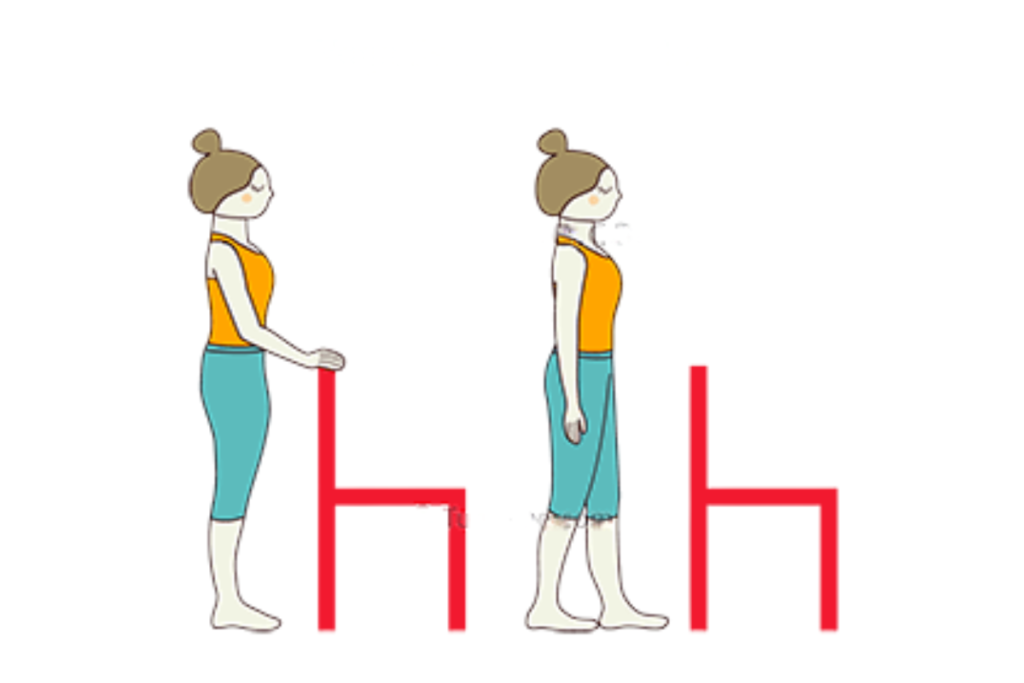
Don’t worry, there’s no real rope. You’ll stay safely on the floor.
- How to do it: Stand next to your chair so you can grab the back if needed.
- The Move: Place the heel of your right foot directly in front of the toes of your left foot. They should be touching, like you are walking on a narrow line.
- The Goal: Hold this “tandem” position for 10 to 20 seconds. Then switch feet.
- Why it works: This narrows your base of support, which helps your brain learn to keep you balanced.
6. Side-to-Side Leg Swings (The Pendulum)
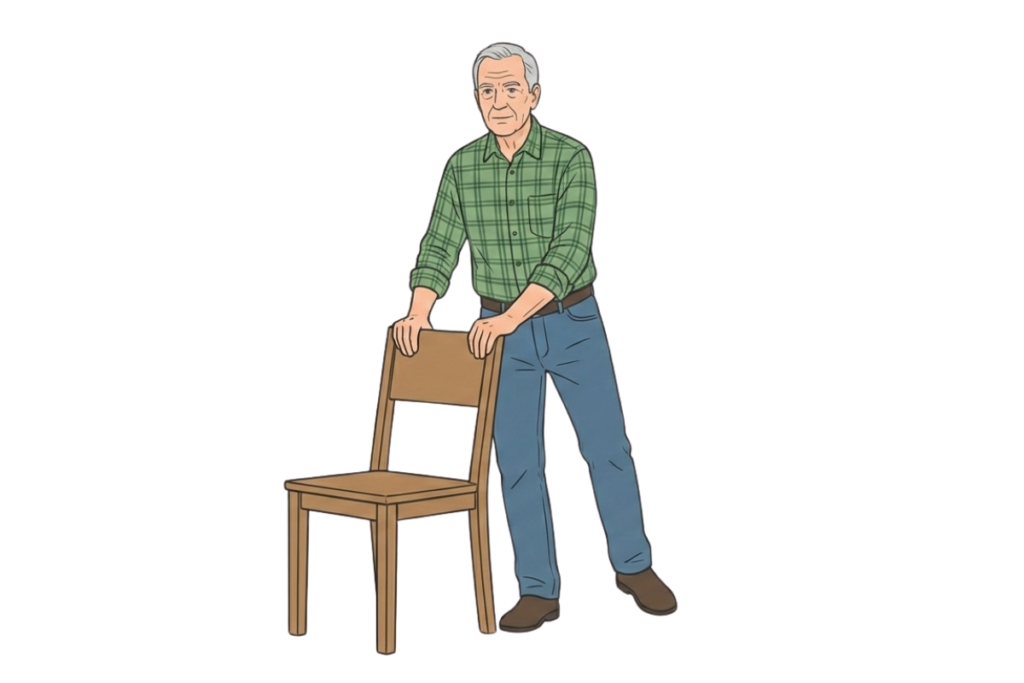
Strong outer hips help prevent you from swaying side to side when you walk.
- How to do it: Stand behind your chair and hold on for support.
- The Move: Keep your right leg straight and lift it out to the side. Keep your toes pointing forward, not out. Lower it back down.
- Repetitions: Do 10 on the right, then 10 on the left.
- Humor Note: Be careful not to bump into anything nearby.
7. The Heel-Toe Rocker
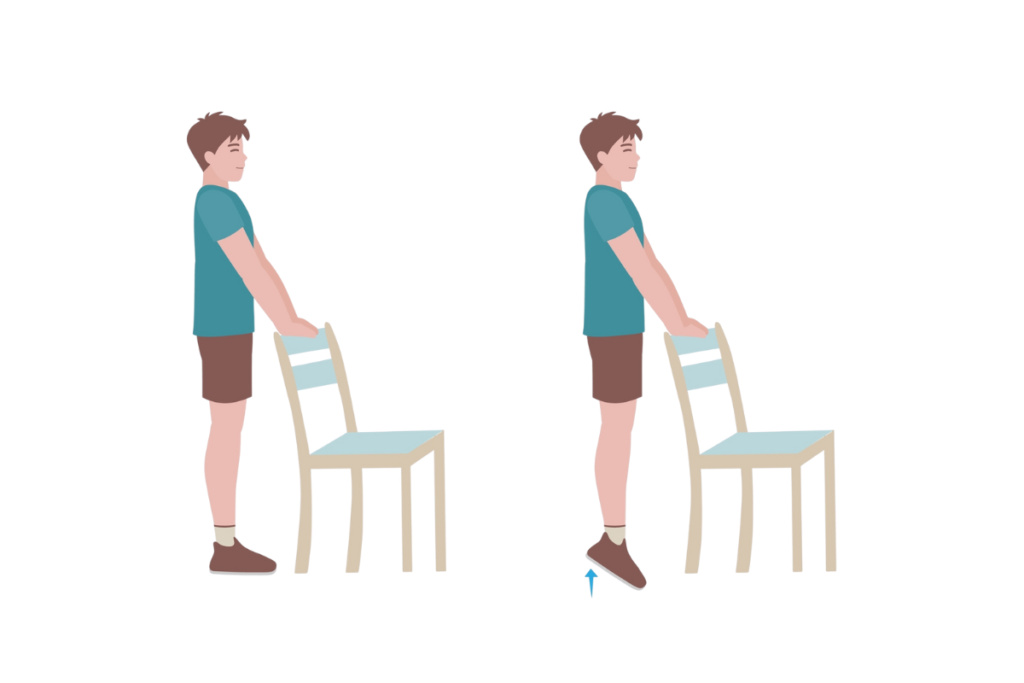
This exercise strengthens your calves and shins, which are the muscles that help you “brake” when you are walking.
- How to do it: Stand beside your chair and hold on.
- The Move: Rise up onto your tiptoes and hold for a second. Then, slowly lower your heels and try to lift your toes off the ground (weight on your heels).
- Safety Tip: Keep your knees slightly bent. Rocking back on your heels can be tricky, so hold onto the chair for support.
8. Seated Spinal Waves (Cat-Cow)
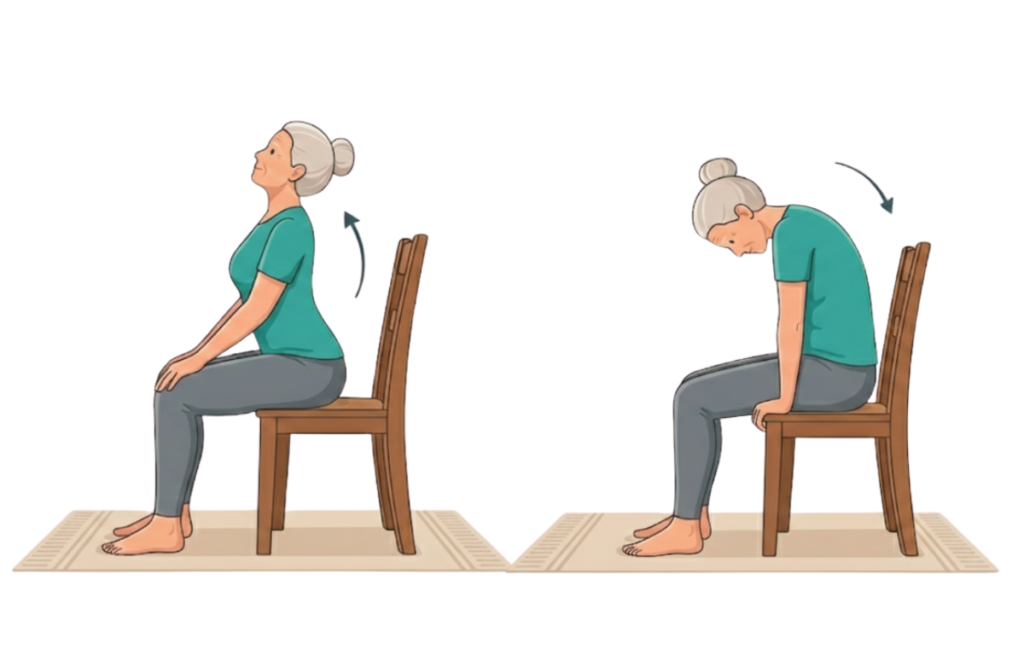
Flexibility is important for balance. If your back is stiff, your whole body moves less easily, which can make falling more likely.
- How to do it: Sit with your hands on your knees.
- The Move: Inhale and arch your back, looking up slightly (this is the Cow). Exhale and round your back, tucking your chin toward your chest (this is the Cat).
- Why it works: It keeps your spine supple and helps you maintain a better center of gravity.
9. The “Will-I-Sit-Or-Not” Squat
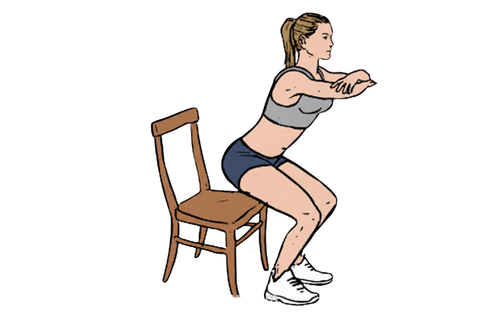
Squats are one of the best exercises. They build the leg strength you need to stand up from a low sofa or a toilet.
- How to do it: Stand in front of your chair as if you are about to sit down.
- The Move: Lower yourself toward the seat, but before you sit down, stand back up.
- Modification: If that is too hard, go ahead and sit down fully, then stand back up without using your hands to push off the armrests.
- Why it works: It strengthens the muscles in your thighs and glutes that help you stand up easily.
10. The Cookie Jar Reach
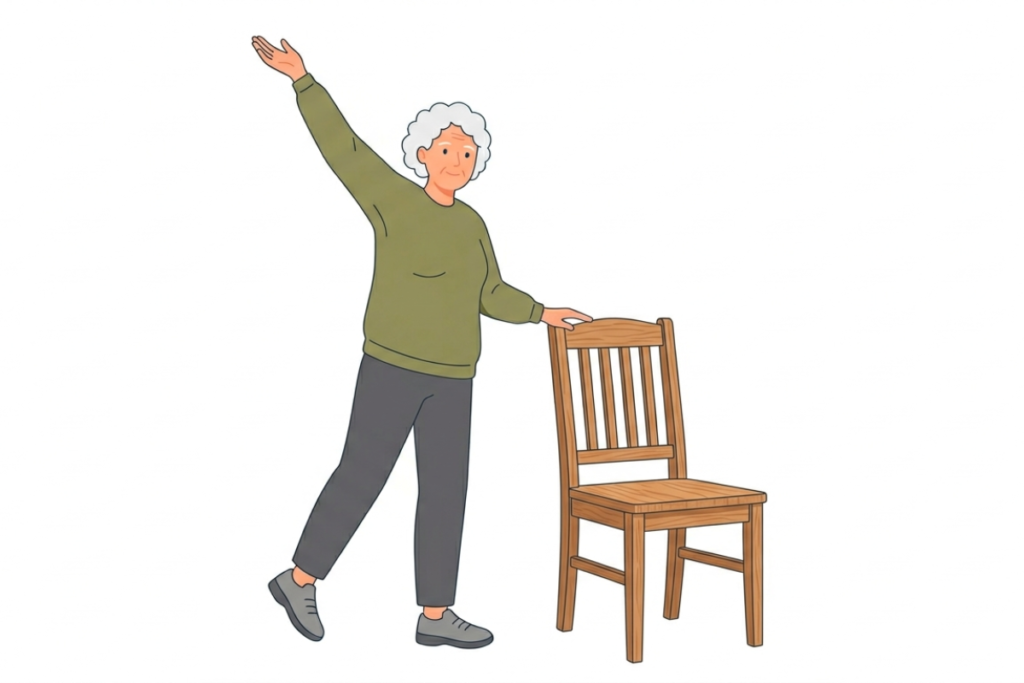
This move copies real-life actions, like reaching for something on a high shelf.
- How to do it: Stand with your side to the chair, holding on with one hand.
- The Move: Reach your opposite arm up and slightly across your body, as if reaching for something on a high shelf. As you reach, lift the heel of your opposite foot.
- Switch: Do 5 reps on each side.
- Why it works: It helps you practice dynamic balance, which means staying steady while you move.
Consistency Over Perfection
The most important thing to remember about these enjoyable balance exercises for seniors is that you don’t have to be perfect. If you can only lift your leg for one second today, that’s a win. Tomorrow, you might reach two seconds.
Consistency is key. Doing these moves for five minutes every day is better than thirty minutes once a week. Just like brushing your teeth, balance needs regular care.
If you feel wobbly, that means your body is learning. Those small shakes are your muscles and nerves working to keep you steady. Feeling unsteady is part of getting stronger.
Keep It Light and Have Fun
Exercise shouldn’t feel like a chore. Play your favorite music while you do chair marches. If you have a friend or spouse, try the exercises together and see who can hold the Flamingo pose the longest.
Remember to breathe. Many people hold their breath when focusing on balance, but your muscles need oxygen. If you notice you’re holding your breath, take a deep breath and relax.
Final Thoughts
You don’t need to wait for a new year or a Monday to start improving your balance. You have the chair, the moves, and the ability. Fall prevention is about building confidence so you can enjoy life fully.
Pick one or two of these exercises and try them now. You could start with Ankle Circles or Seated Knee Marches. Every bit helps you become steadier and more confident. You can do this, and your future self will thank you.
