
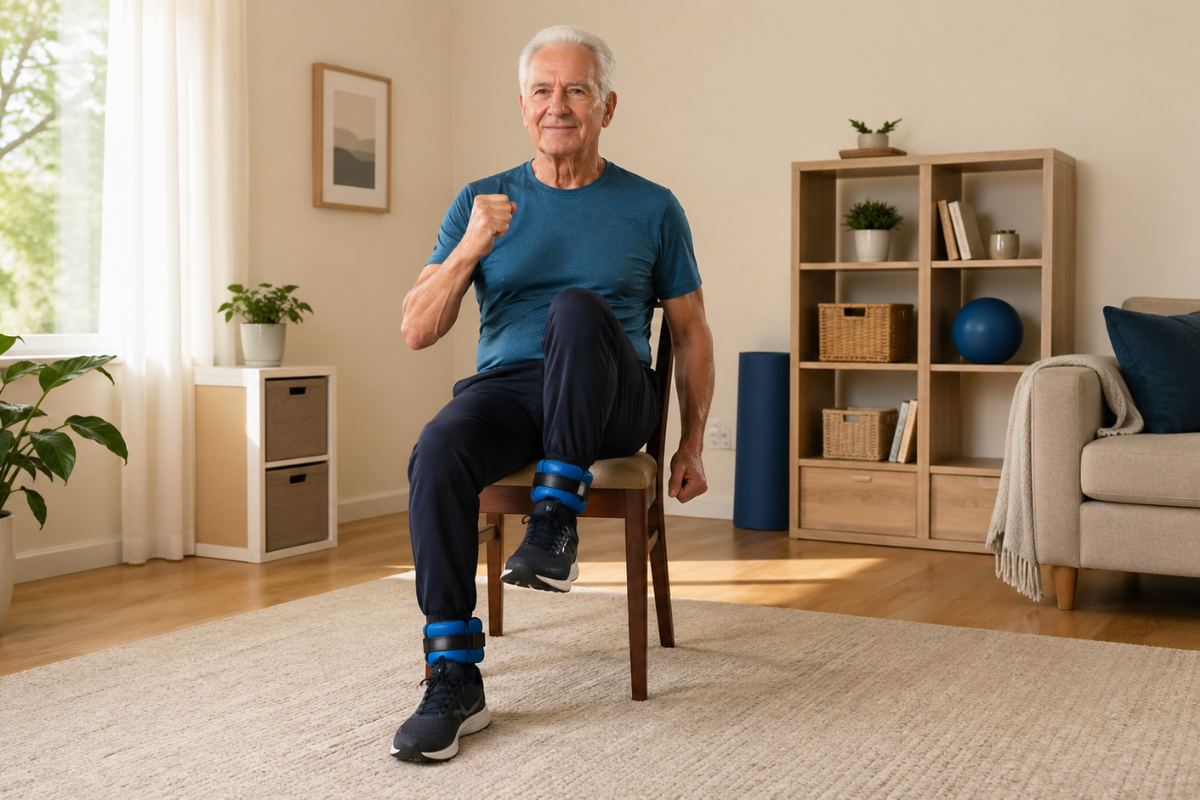
Jumping into a high-intensity workout might sound as fun as a root canal. But staying active doesn’t have to mean burpees, treadmills, or forcing yourself to jog in the rain. Low impact aerobics for seniors offers a gentle, joint-friendly way to get your heart pumping, boost your energy, and help your body feel its best, all without the stress of high-impact exercise.
If you have stiff knees, are recovering from an injury, or are starting your fitness journey later in life, these moves are made for you. There’s no need for fancy equipment, complicated routines, or any judgment. Just simple, enjoyable movement your body will appreciate.
Ready? Let’s get started at a pace that feels good to you.
Why Low-Impact Aerobic Is a Game-Changer for Older Adults
Before we get into the exercises, let’s look at why low-impact exercise matters for seniors.
As we get older, our joints need extra care. High-impact activities like running or jumping can put significant stress on the knees, hips, and ankles. Low-impact exercise always keeps one foot on the ground, so there’s less strain and more comfort for your body.
Here are some good reasons to start moving:
- Heart health: Regular gentle aerobics for seniors strengthens your heart and improves circulation.
- Balance and stability: Moving regularly helps prevent falls, one of the biggest health risks for older adults.
- Mood boost: Exercise releases endorphins, nature’s little happiness helpers.
- Energy levels: It might seem surprising, but moving more can actually give you more energy.
- Flexibility: Regular movement helps keep your joints flexible and your muscles more comfortable.
The best part is you don’t need a gym membership or a personal trainer. Most of these exercises can be done right in your living room, and you can even play your favorite music while you do them.
Before You Begin: A Few Quick Tips
Here are a few things to check before you begin:
- Talk to your doctor if you have any health conditions or concerns before starting a new exercise routine.
- Wear supportive shoes or exercise barefoot on a non-slip surface.
- Keep water close by. Staying hydrated is important for everyone.
- Pay attention to how your body feels. Some discomfort is normal, but sharp pain means you should stop.
- Start slowly. The goal is to build a habit, not to set any records.
10 Beginner-Friendly Low-Impact Aerobic Moves
1. Seated Marching
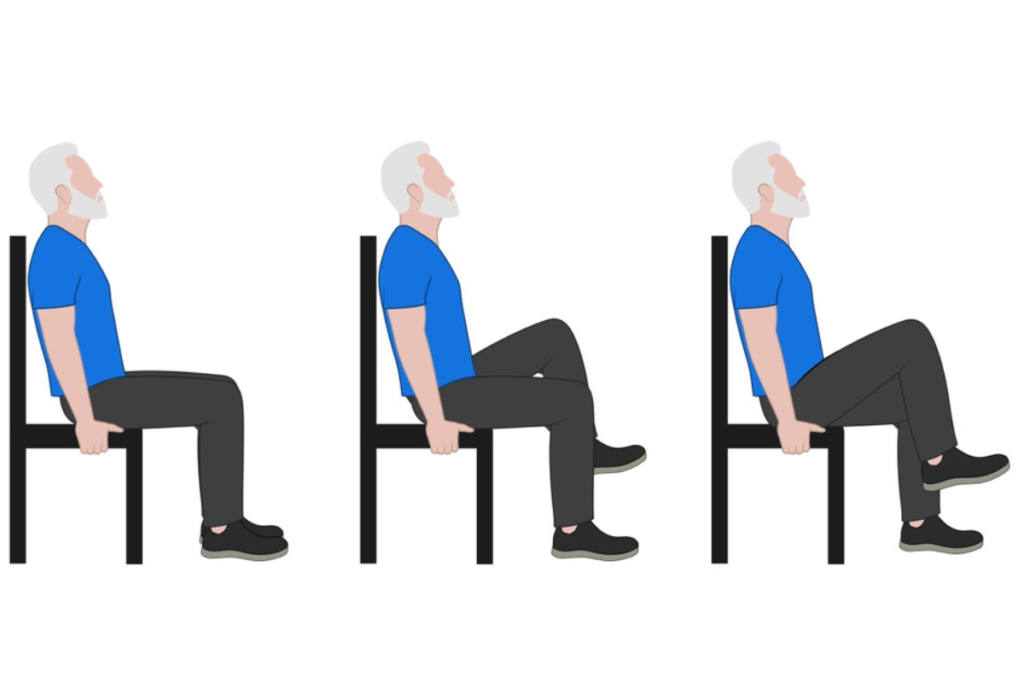
This is a great place to start if you’re new to exercise or need some extra support.
How to do it:
- Sit tall in a sturdy chair with both feet flat on the floor.
- Lift your right knee up toward your chest, then lower it.
- Lift your left knee, then lower it.
- Keep alternating in a steady, marching rhythm.
- Do this for 1 to 2 minutes.
Why it works: This warms up your hip flexors, gets your blood moving, and you don’t even have to stand. It’s like walking while sitting, which is a nice bonus.
2. Seated Arm Circles
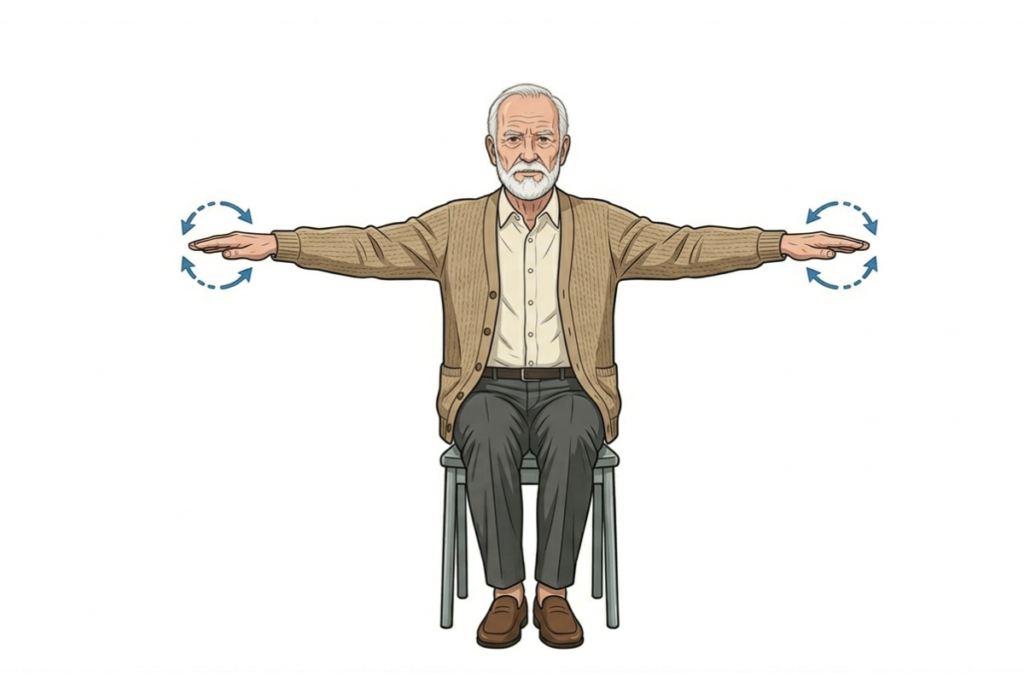
Let your arms move while you stay comfortable in your seat.
How to do it:
- Sit up straight with your feet flat on the floor.
- Extend both arms out to your sides at shoulder height.
- Make small circles forward for 15 seconds.
- Reverse and circle backward for 15 seconds.
- Repeat 2 to 3 times.
Why it works: This loosens up your shoulder joints and warms up your upper body. Plus, it can feel a bit like leading an orchestra.
3. Standing March in Place
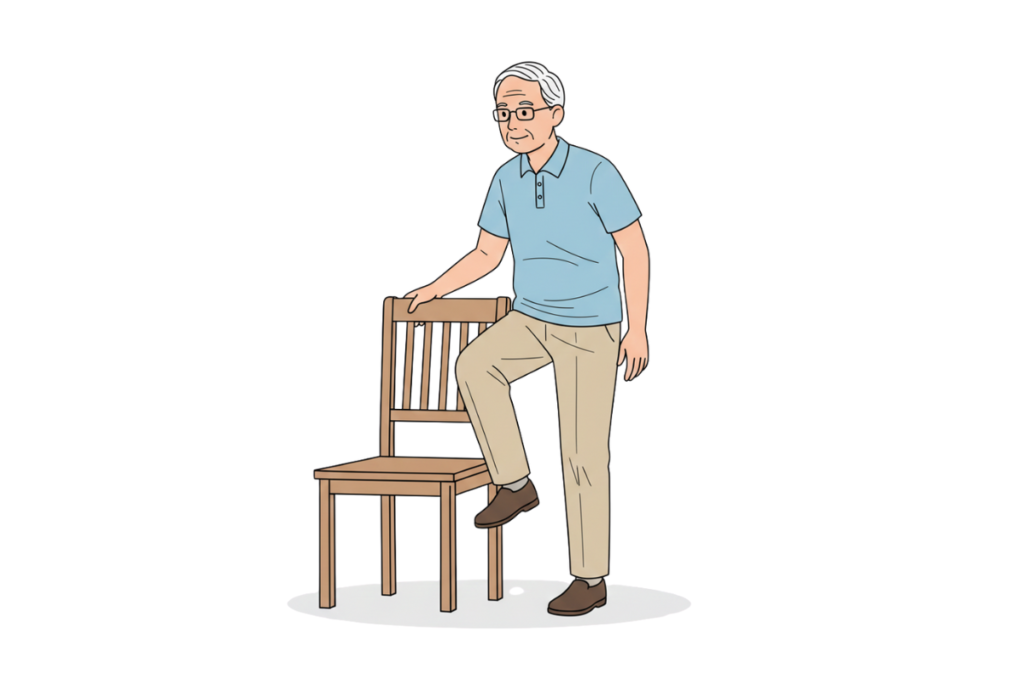
Once you feel warmed up and steady, try this standing version.
How to do it:
- Stand beside a chair and hold the back for support if needed.
- Lift your right knee to hip height (or as high as is comfortable), then lower it.
- Lift your left knee, then lower.
- Find a comfortable rhythm and march for 2 to 3 minutes.
Why it works: This simple move boosts your heart rate and works your core, hip flexors, and legs at the same time.
4. Side Steps
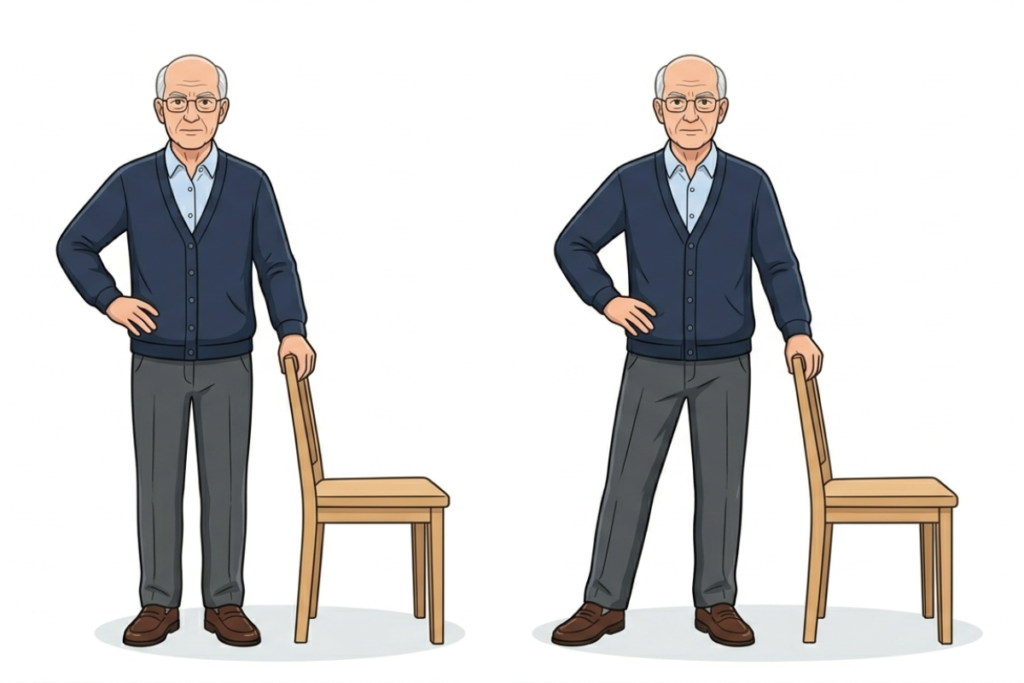
This move adds some side-to-side motion to help improve your balance and coordination.
How to do it:
- Stand with your feet together, hands on your hips, or hold a chair for balance.
- Step your right foot out to the side, then bring the left foot to meet it.
- Take 4 steps to the right, then 4 steps back to the left.
- Repeat for 2 minutes.
Why it works: Moving side to side helps strengthen your hips and makes it easier to catch yourself if you lose your balance.
5. Seated Heel-Toe Raises
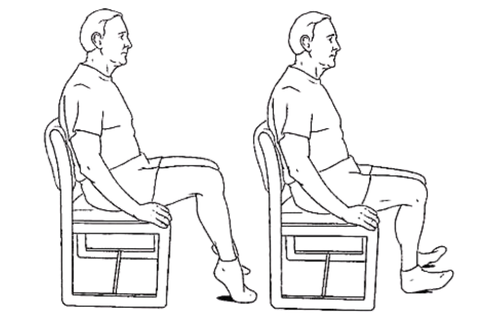
This move is simple, effective, and helps build ankle strength.
How to do it:
- Sit tall in a sturdy chair with both feet flat on the floor.
- Rise up onto your toes, hold for 2 seconds, then lower.
- Now rock back onto your heels, lifting your toes off the floor, hold for 2 seconds, then lower.
- Alternate between toe raises and heel raises for 1 to 2 minutes.
Why it works: This exercise strengthens your calves and ankles, which are important for staying steady on your feet.
6. Standing Hip Circles
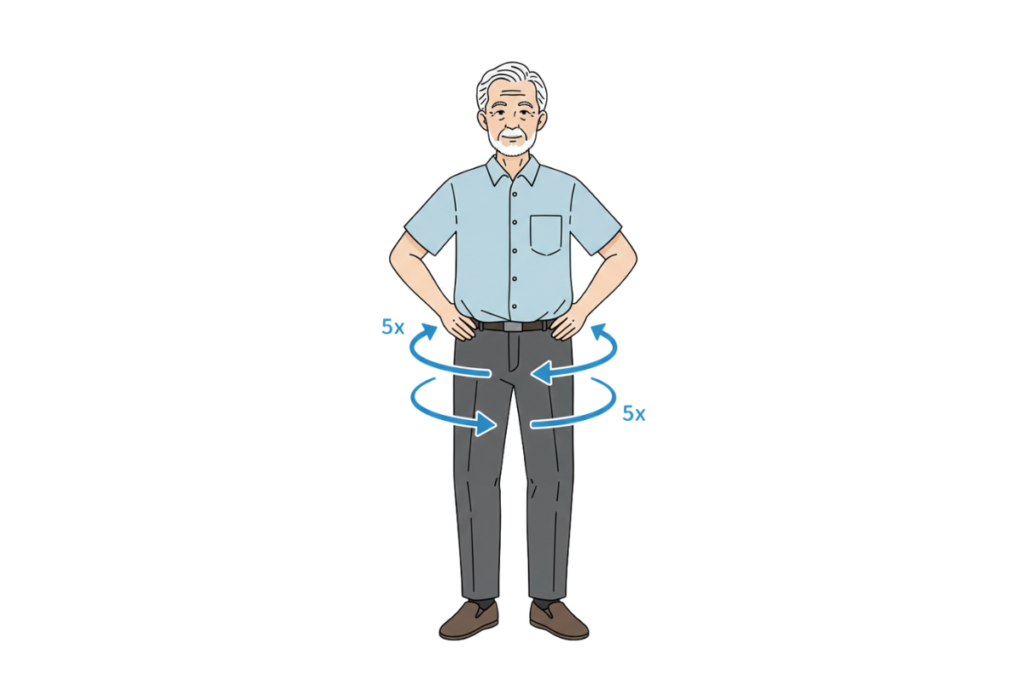
Imagine moving your hips in a circle, like using a hula hoop, but without the hoop.
How to do it:
- Stand with your feet shoulder-width apart and your hands resting on your hips.
- Gently rotate your hips in a big circle, going clockwise for 5 rotations.
- Switch to counterclockwise for 5 more.
Why it works: Good hip mobility helps with daily activities like getting in and out of a car or climbing stairs. This move keeps your hips flexible.
7. Seated Leg Extensions
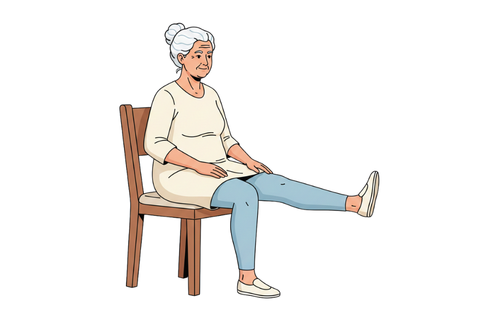
For this exercise, return to your chair. You’ll feel it working your thighs.
How to do it:
- Sit toward the front edge of a sturdy chair, back straight.
- Slowly straighten your right leg out in front of you until it is parallel to the floor.
- Hold for 2 to 3 seconds, then lower.
- Repeat 10 times on each leg.
Why it works: This strengthens the quadriceps, the muscles that support your knees and help you stand up from a seated position.
8. Seated Punches
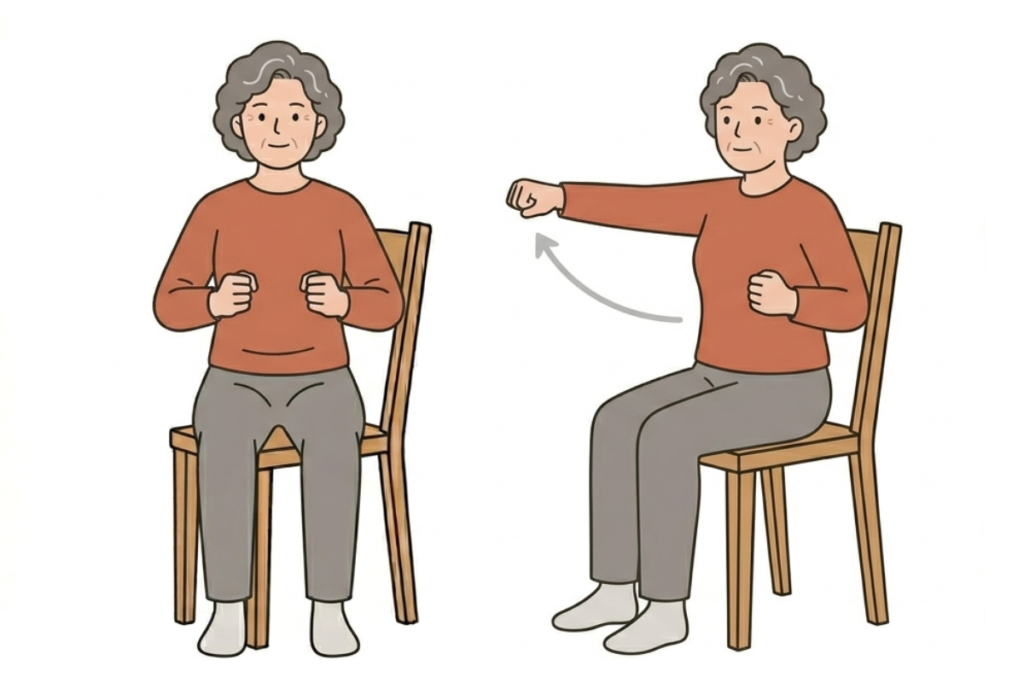
This exercise lets you practice punching motions in the air.
How to do it:
- Sit tall in your chair with feet flat on the floor.
- Make soft fists and bring them up near your chin, elbows bent.
- Punch your right arm straight forward, then pull it back.
- Punch your left arm forward, then pull it back.
- Alternate at a comfortable pace for 1 to 2 minutes.
Why it works: This exercise raises your heart rate, works your shoulders and arms, and can be a good way to relieve stress while getting some cardio.
9. Step Touches
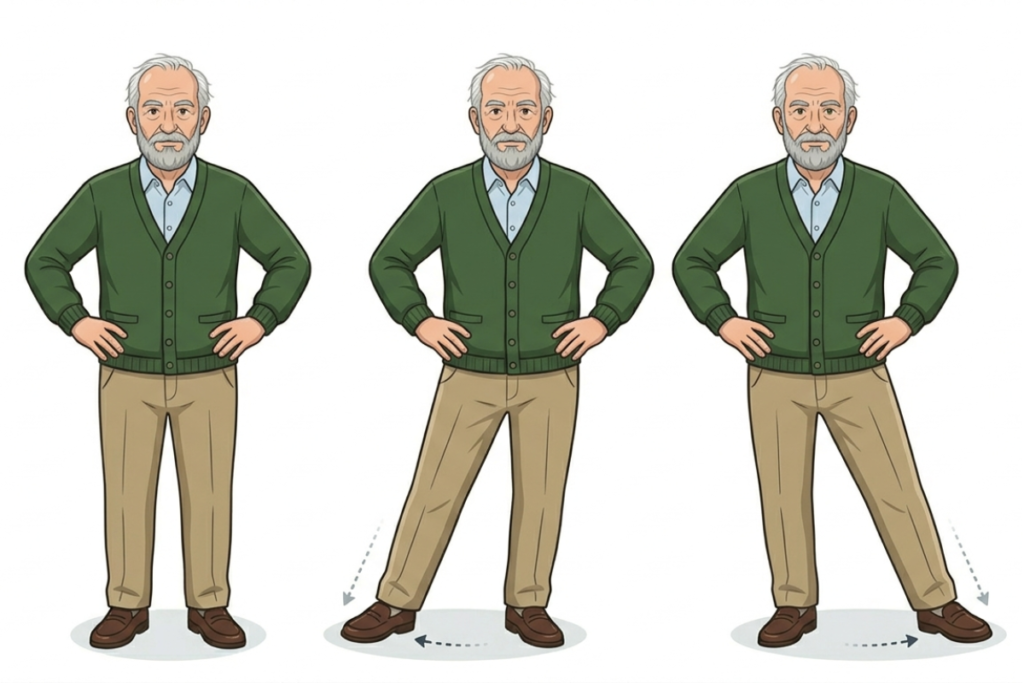
This classic low-impact move can feel a bit like dancing.
How to do it:
- Stand with feet together.
- Step your right foot out to the right, then tap your left foot next to it.
- Step your left foot out to the left, then tap your right foot next to it.
- Add a little arm swing to boost the cardio effort.
- Continue for 2 to 3 minutes.
Why it works: Step touches get your whole body moving, improve coordination, and are easy to do with music. Playing your favorite song can make it feel less like exercise.
10. Deep Breathing and Cool Down
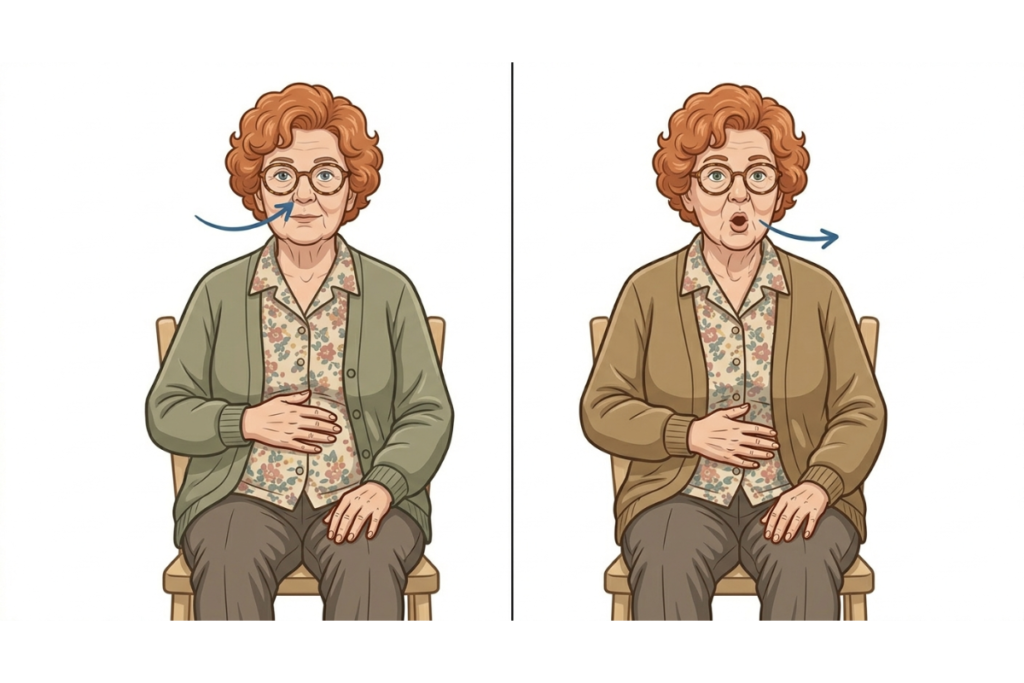
Every workout should end with a cooldown, so don’t skip this step.
How to do it:
- Sit or stand comfortably.
- Inhale slowly through your nose for 4 counts.
- Hold for 2 counts.
- Exhale slowly through your mouth for 6 counts.
- Repeat 5 to 8 times.
- Follow with gentle neck rolls and shoulder shrugs to release any remaining tension.
Why it works: Cooling down helps your heart rate return to normal and tells your body it’s time to relax. It also feels good after any kind of exercise.
How Often Should You Do These Moves?
For most beginners, try to exercise 3 to 5 days a week, starting with just 10 to 15 minutes each time. As you get more comfortable, you can slowly add more time or more sets.
Remember, being consistent is more important than working out intensely. Ten minutes of gentle movement each day is better than one hard workout a week. Real progress comes from small, steady steps.
Final Thoughts
Starting new light cardio workouts for seniors can feel intimidating, especially if it’s been a while. But the truth is, everyone who is fit now started as a beginner. No one wakes up with perfect balance and a strong heart—it all happens one small step at a time.
You don’t have to be perfect or do all 10 moves at once. Just start. Choose two or three exercises from this list, try them today, and give yourself credit when you finish. Taking care of yourself at any age is something to celebrate. Your body can do more than you might expect. It’s never too late to discover how good moving can feel.
