
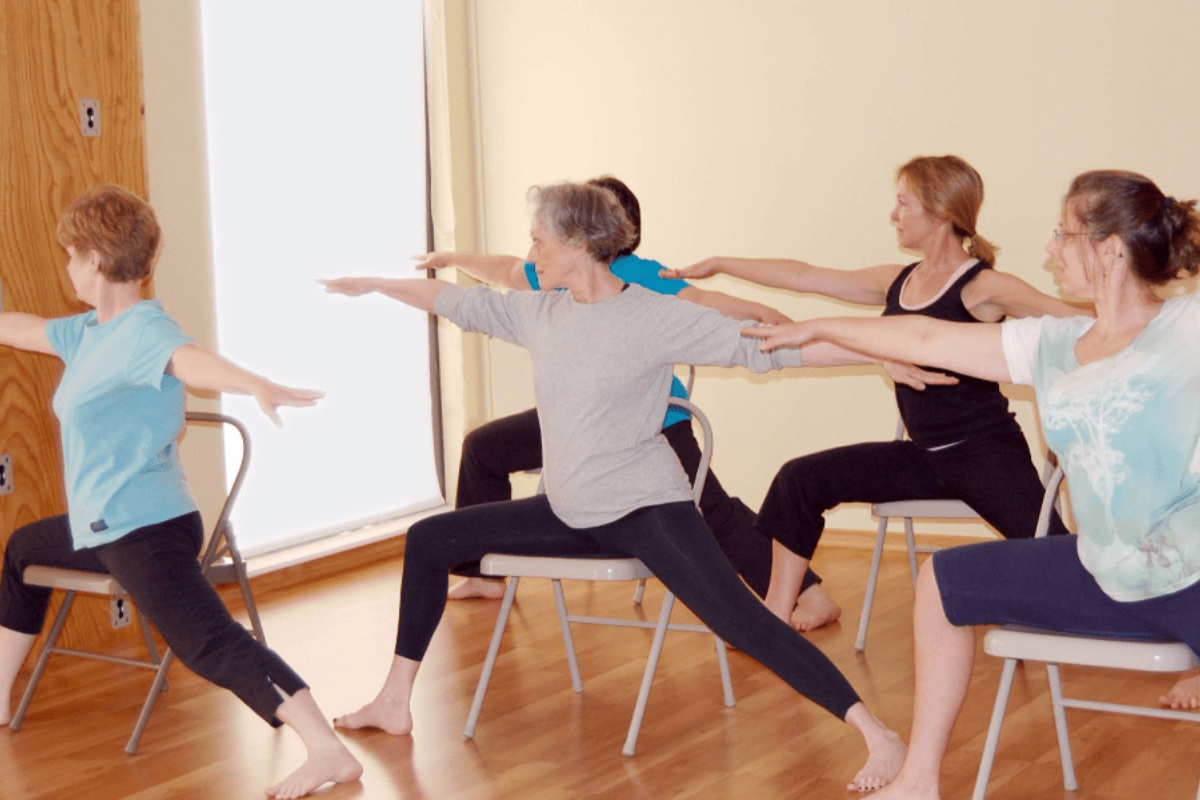
You’ve reached 60—congratulations! After decades of new trends and tech, your body may feel creaky or stiff in the mornings. Maybe most of the exercise lately has been a walk to the fridge. If you’re unsure about starting exercise at 60, don’t worry. You’re not behind or too old. This is the start of a new chapter.
A fitness routine in your 60s isn’t about marathons or heavy lifting. It’s about staying mobile, feeling confident, and being able to lift grandkids or groceries without days of recovery. Let’s look at one of the best ways to get moving: chair yoga. It’s effective, safe, and done while seated.
Why Your 60s Are the Perfect Time to Reconnect with Movement
Many people think that after 60, it’s best to rest and avoid moving to protect their joints. In fact, staying active helps keep your joints flexible. Exercise at this age supports your bones, heart, and balance.
Chair yoga is a great way to start getting fit. It takes away the worry about falling or having trouble getting up from the floor. With a sturdy chair, you can enjoy the stretching and strengthening benefits of yoga without any difficult moves.
Getting Your “Gym” Ready
Before we get started, let’s talk about what you’ll need. You don’t need special workout clothes or a gym membership. Just a few simple items will do:
- A sturdy chair: Choose a dining chair or an office chair without wheels. Avoid using a sofa, since it’s too soft and you might get too comfortable.
- Comfortable clothes: Wear anything that lets you move and breathe easily. Pajamas work just fine if that’s what you prefer.
- Flat Ground: Ensure your chair is on a non-slip surface, such as a rug or yoga mat.
- Hydration: Keep a glass of water close by. Staying hydrated is important for your body.
Step-by-Step Guide: 5 Beginner Chair Yoga Poses
Ready to get moving? Try these five simple poses. Breathe deeply through your nose, and if anything hurts, stop right away. The goal is a gentle stretch, not to push yourself too hard.
1. The Seated Mountain (The “Check Your Posture” Pose)
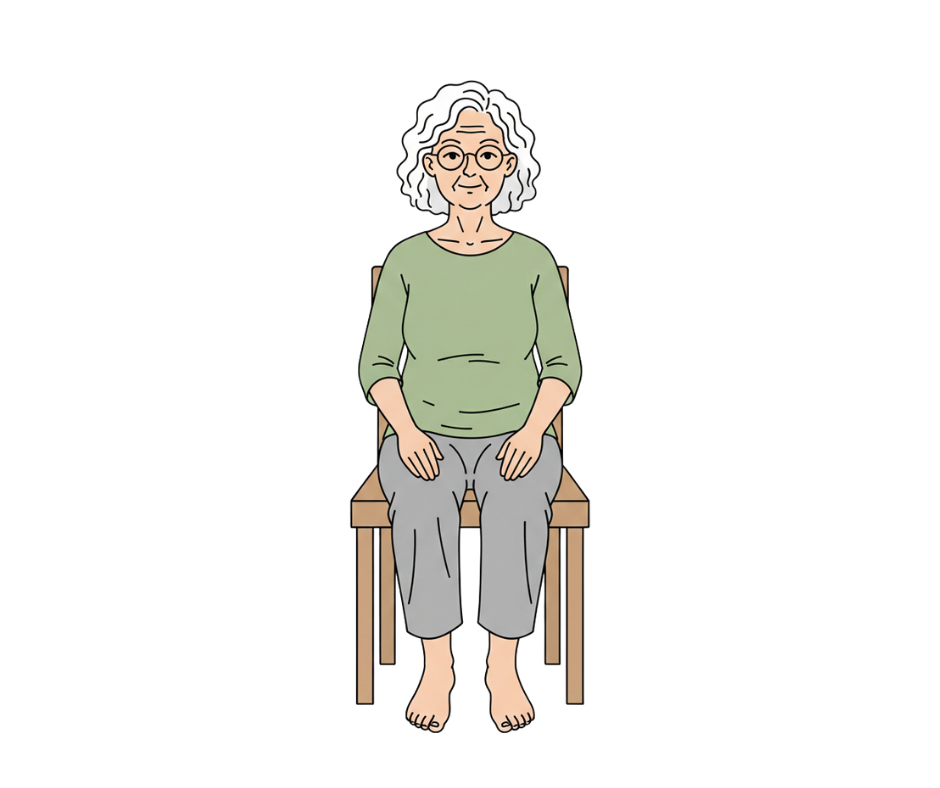
This pose is the foundation. It may seem simple, but it helps realign your spine after years of slouching.
- Sit toward the front edge of your chair.
- Plant your feet flat on the floor, hip-width apart.
- Rest your hands on your knees with palms facing up.
- Imagine a string pulling the top of your head toward the ceiling.
- Roll your shoulders back and down. Hold for five deep breaths.
2. Seated Cat-Cow (The “Spine Un-Kinker”)
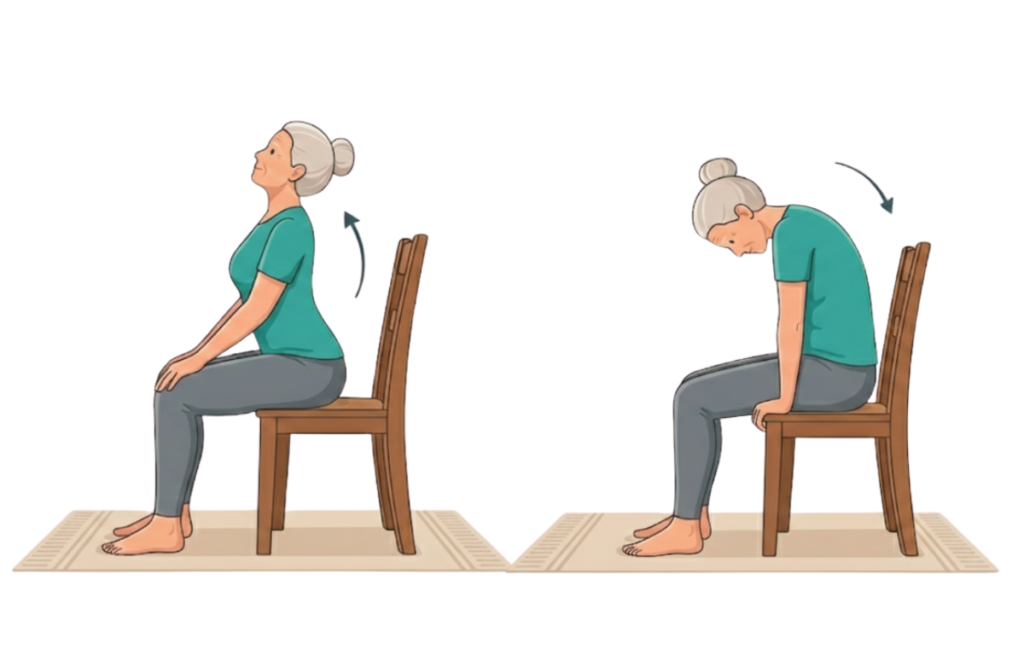
If your back feels stiff, this move can really help. It improves flexibility in your spine.
- While seated, place your hands on your knees.
- The Cow: Inhale, lift your chest, and look slightly upward as you gently arch your back.
- The Cat: Exhale, round your spine like a grumpy Halloween cat, and tuck your chin toward your chest.
- Repeat this movement five times. It will help your back feel more relaxed.
3. Seated Twist (The “Detox” Move)
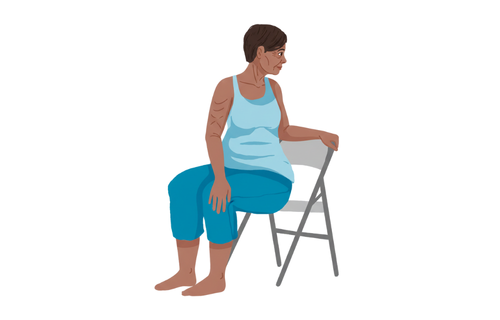
This pose is good for digestion and helps keep your middle flexible. It also makes it easier to turn and look over your shoulder.
- Sit tall with your feet flat.
- Place your left hand on your right knee.
- Reach your right hand back to grab the side or back of the chair.
- Inhale to grow tall, and exhale to gently turn your torso to the right.
- Hold for three breaths, then switch sides. Don’t push yourself—only go as far as feels comfortable.
4. Chair Warrior I (The “I Am Powerful” Pose)
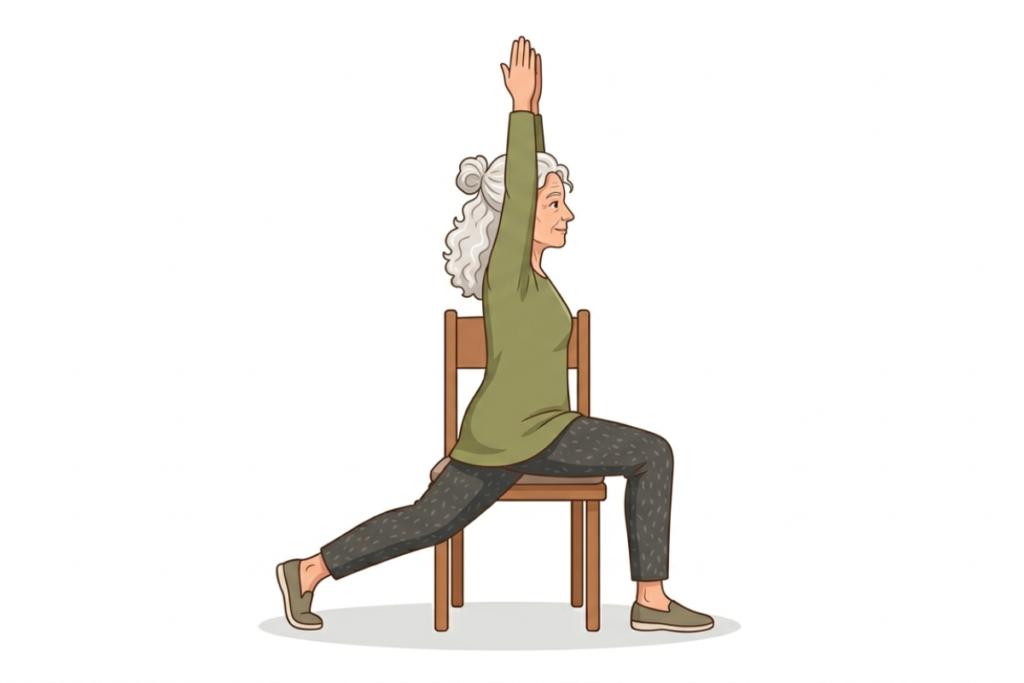
This pose helps build leg strength and opens your hips, which can get tight from sitting.
- Sit sideways on your chair so your right buttock is on the seat, and your left leg hangs off the side.
- Keep the right foot flat and point your right knee forward.
- Step your left foot back as far as is comfortable, resting on your toes or the ball of your foot.
- Lift your arms toward the sky.
- Hold for thirty seconds, focusing on feeling strong and steady, then switch sides.
5. Seated Forward Fold (The “Ultimate Relaxer”)
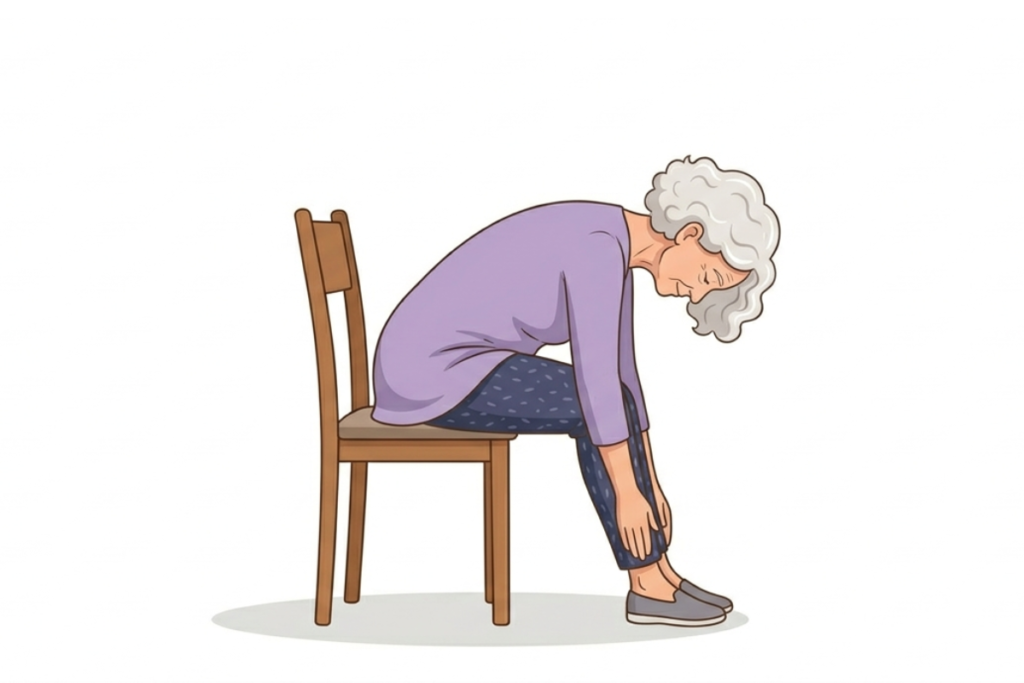
This is a great way to finish. It stretches your lower back and helps you relax.
- Sit with your feet wide apart.
- Slowly lean forward, letting your hands slide down your legs toward your ankles.
- Let your head hang heavy.
- If you can’t reach your feet, just rest your elbows on your knees.
- Take deep breaths and let your neck relax.
Tips for Staying Consistent
The hardest part of beginning an exercise routine at 60 isn’t the movement itself—it’s turning it into a consistent habit. If you’re wondering how seniors can start exercising, the key is to keep things simple, manageable, and enjoyable from the start.
Here are some practical tips to help you stay on track and keep going:
- The 10-Minute Rule: Tell yourself you will only do it for ten minutes. Usually, once you start, you’ll want to keep going. If not? Ten minutes is still a victory!
- Pair It with a Habit: Do your chair yoga while the coffee is brewing or while you watch the evening news.
- Listen to your body: Some days you’ll feel great, and other days you might feel stiff or tired. Both are normal. Just do what you can.
- Celebrate small wins: Maybe you reached a little farther today or stood up from your chair without using your hands. That’s progress!
Final Thoughts
Starting to exercise later in life can feel a bit scary, but remember, every expert started as a beginner. You don’t need to impress anyone. You’re doing this for yourself, so you can enjoy your 60s, 70s, and 80s with more energy and movement.
You don’t need a special yoga studio or a personal trainer. All you need is a chair and the willingness to give it a try. Why not start now? Put down your phone or step away from the computer, sit up straight, and take a deep breath. There you go—you’ve just started. See, it wasn’t so hard. Keep it up, keep smiling, and remember: you can do this!
