

After a stroke, your body might feel out of sync, like a smartphone with a glitchy update. Maybe your left leg isn’t responding like before, or walking feels like being on a rocking boat. Take a deep breath—you’re doing great. Adding balance exercises after stroke is one of the best ways to regain independence and avoid close encounters with the floor.
Balance isn’t just about standing on one leg like a graceful flamingo. It is about confidence. It is about walking to the kitchen for a snack without feeling like you’re navigating an obstacle course. Whether you are a senior looking to stay steady or a beginner starting your recovery journey, these exercises are designed to be slow, safe, and maybe even a little fun. We are going for “steady as a rock,” not “acrobat in the circus.”
Safety First: Avoid Falling Flat on the Floor
Before we start, let’s set some ground rules. Our goal is to improve your balance, not see how fast you can fall. Follow these tips to stay safe:
- The Buddy System: If you’re feeling extra wobbly, have a friend or family member nearby.
- The Furniture Anchor: Always perform these post-stroke balance exercises next to a sturdy kitchen counter, a heavy table, or a wall.
- Ditch the Socks: Wear supportive sneakers or go barefoot if your floors aren’t slippery. Slippery socks are the enemy of progress.
- Listen to Your Body: If something hurts, stop. If you feel dizzy, sit down. We are aiming for a gentle challenge, not a marathon.
Level 1: Beginner Balance Exercises to Get You Grounded
If you’re just starting out, don’t worry about looking cool. Focus on feeling stable. These post-stroke balance exercises are the “bread and butter” of stroke recovery.
1. The Weight Shift
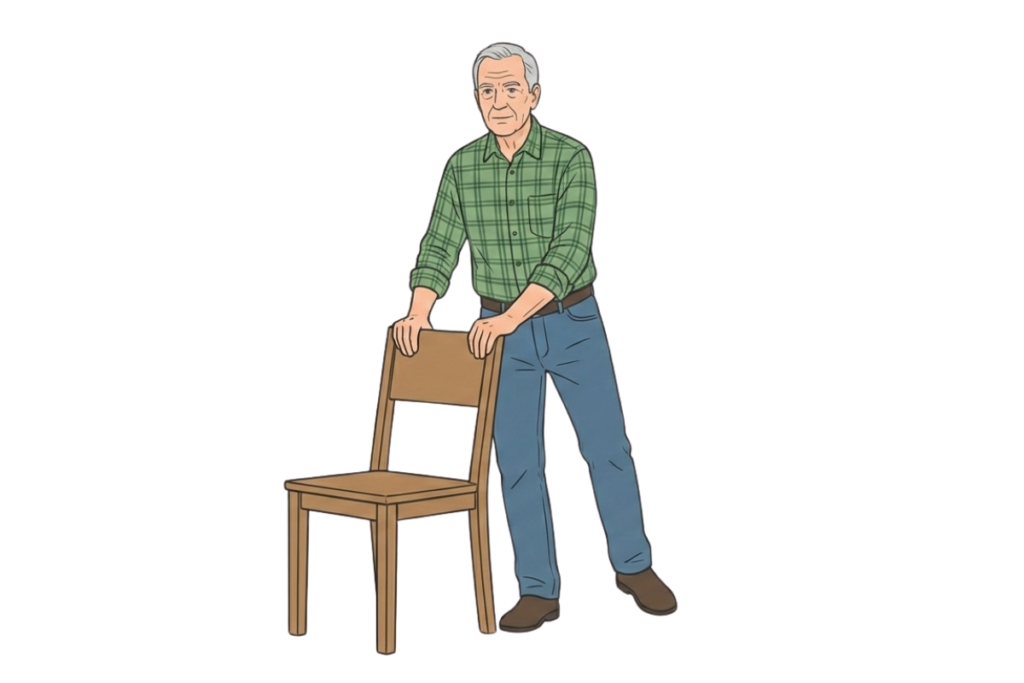
This is the ultimate beginner move. It helps your brain remember that it has two sides to work with.
- Stand with your feet hip-width apart.
- Hold onto the back of a sturdy chair.
- Slowly shift your weight to your right side, lifting your left heel slightly off the floor.
- Hold for three seconds.
- Slowly shift to the left.
- Repeat 10 times on each side.
Pro Tip: Keep your torso upright. Don’t lean over like the Leaning Tower of Pisa. Picture a string gently pulling the top of your head toward the ceiling.
2. The Heel-to-Toe Stand
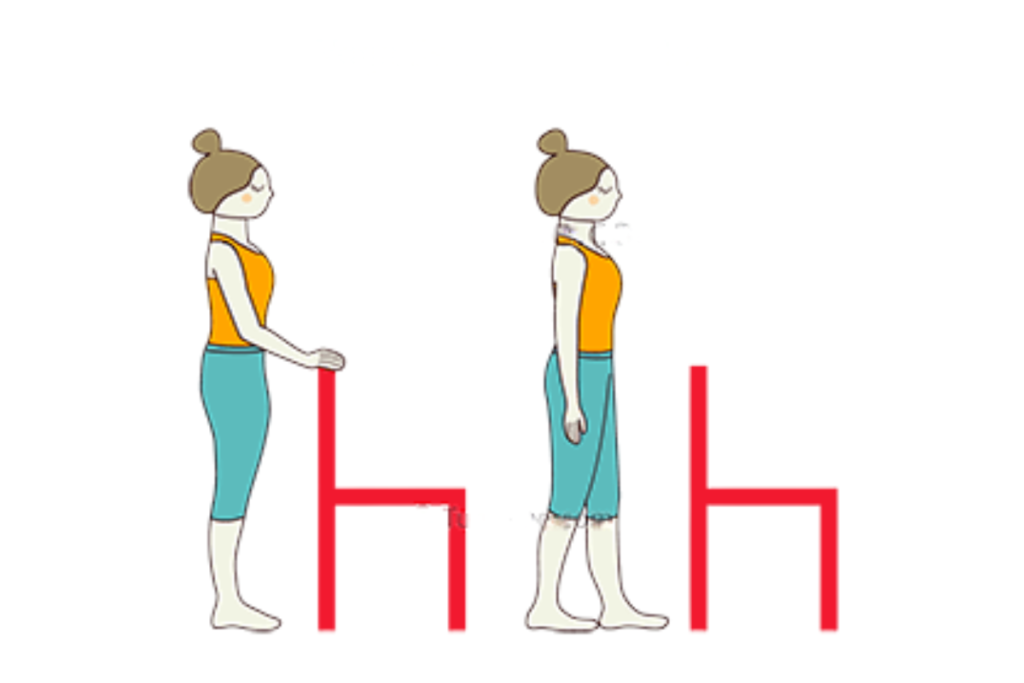
This one is great for improving the “base” of your support. It’s basically a stationary version of a tightrope walk.
- Stand next to your chair.
- Place one foot directly in front of the other so the heel of your front foot touches the toes of your back foot.
- Try to hold this for 10 to 20 seconds.
- Switch feet and repeat.
If this feels too hard, start with your feet slightly staggered rather than perfectly aligned. Progress is the goal, not perfection.
3. Seated Knee Extensions
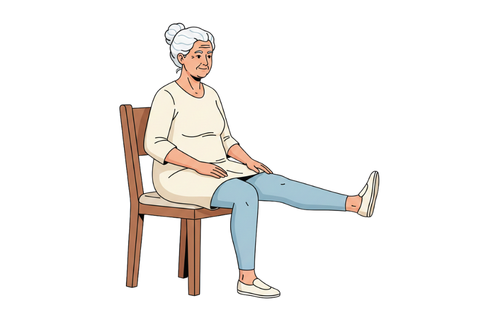
If standing feels too intimidating today, you can work on your balance from a chair. Strengthening your quads is a secret weapon for better balance.
- Sit in a firm chair with your back straight.
- Slowly straighten one leg out in front of you.
- Hold it for two seconds, then lower it back down.
- Do 10 reps per leg.
Level 2: Finding Your Center
Once you feel a bit more “bolted to the floor,” you can try these slightly more active moves. Remember to keep your hand near your support at all times.
4. The Marching Man
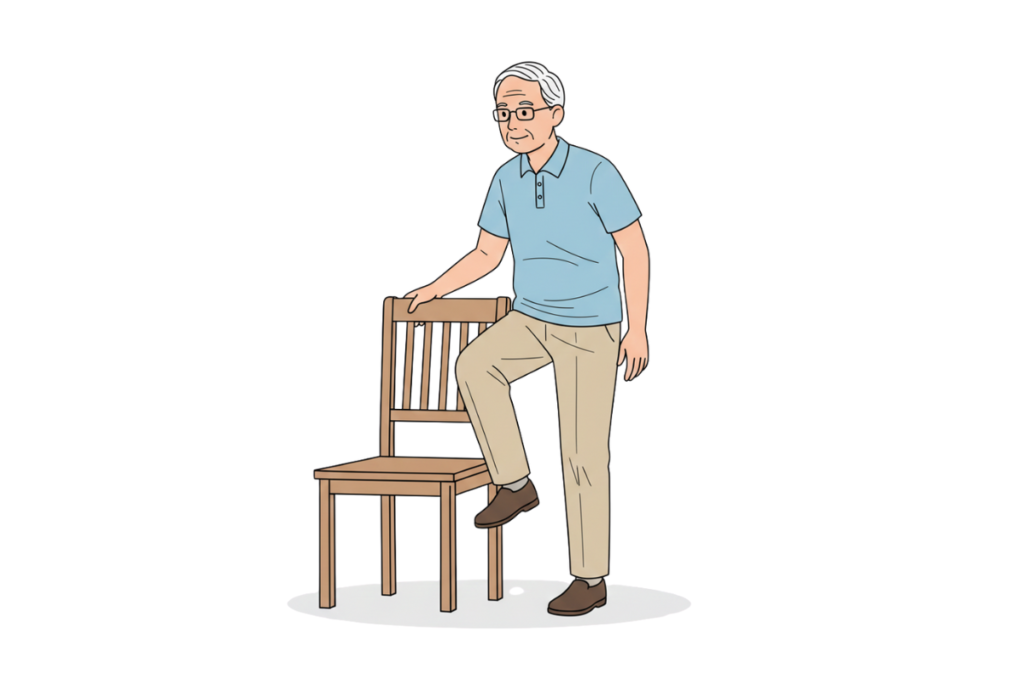
This exercise mimics walking but keeps you in one spot where it’s safe.
- Stand tall and hold your chair.
- Slowly lift your right knee as high as is comfortable, like you’re marching in a parade.
- Lower it with control. No “flopping” the foot down.
- Switch to the left leg.
- Aim for 20 marches total.
Why it works: It trains your “standing leg” to hold your weight while the “moving leg” is busy. This is exactly what happens when you take a step while walking.
5. Side Leg Raises
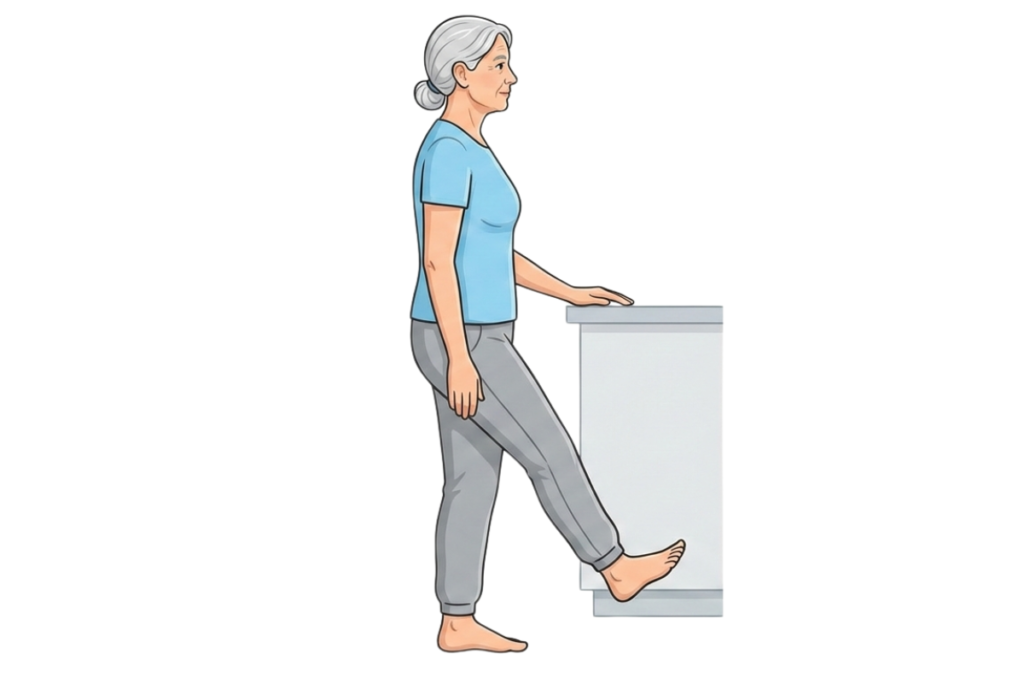
This works the muscles on the outside of your hips. These muscles are the “stabilizers” that keep you from tipping sideways.
- Stand near the counter or behind a chair and hold the back.
- Keep your toes pointing forward.
- Lift your right leg out to the side.
- Slowly bring it back.
- Repeat 10 times, then switch legs.
Humor Check: If you feel like you’re doing 80s aerobics, you’re on the right track. Leg warmers are optional, but they definitely add style points.
Building a “Better Walking” Foundation
Better balance leads directly to better walking, especially when movements are practiced consistently with proper guidance. Many techniques in a chair yoga book for seniors focus on gentle stability work similar to stroke recovery balance exercises, helping retrain neural pathways in your brain. It’s like clearing a path through a forest—at first, the path is overgrown and hard to find, but the more you walk it or exercise it, the clearer and easier it becomes.
The Power of Consistency
You don’t need to spend two hours a day doing this. In fact, please don’t. Ten to fifteen minutes a day is plenty. The magic happens when you do it every day. Think of it like brushing your teeth. You wouldn’t brush for five hours on a Sunday and then skip the rest of the week, right? (Please say no.)Consistency beats intensity every time. If you can only do one exercise today, that’s still a win.
Simple Tips for Daily Success
To make your balance journey easier, weave these habits into your day:
- Check Your Lighting: Ensure hallways and bathrooms are well-lit. Shadows can trick a post-stroke brain.
- Clear the “Trip Mines”: Throw rugs are beautiful, but they are also traps. Consider removing them or using non-slip tape.
- The “One Hand” Rule: When moving around your home, try to keep one hand free to touch a wall or furniture if you start to wobble.
- Celebrate the Small Stuff: Did you stand for five seconds longer today? That is huge. Give yourself a literal pat on the back.
Final Thoughts
Recovering your balance after a stroke takes time. Some days you’ll feel steady like a mountain goat, other days a bit wobbly like a jellyfish. Both are okay. What matters most is that you’re trying to improve.
By practicing these gentle moves, you are telling your body that you’re back in charge. You are reducing your risk of falls and building the strength needed to get back to the activities you love, whether that is gardening, playing with grandkids, or just walking to the mailbox with ease.
Remember, every expert started as a beginner. Take it one wobble at a time, keep your sense of humor close, and don’t hesitate to lean on your support—both literally and figuratively. You’ve got this.
Would you like me to create a simple 7-day printable exercise schedule based on these moves to help you stay on track?
