
Falling is something most people would rather not think about, but it’s important. If you’re over 65 or caring for someone who is, you may know the statistics: one in four older adults falls each year, and these falls can cause serious injuries. The good news is that falls don’t have to be a normal part of aging—they can be prevented.
Fall prevention programs for seniors help with balance, strength, and coordination so you can stay steady on your feet. They act like a safety net, helping you avoid unexpected falls whether you’re reaching for the remote or walking to the bathroom at night.
The tricky part? Choosing the right program. Should you join a class at the community center, or practice at home in your pajamas? Don’t worry. We’ll walk you through everything you need to know to pick the perfect fit.
Understanding Fall Prevention Programs: What Are They, Really?
Fall prevention programs are structured exercise and education programs to improve balance, strengthen muscles, and reduce fall risk. They’re not boot camps (phew!), and you won’t need to do any crazy gymnastics moves.
Most programs focus on:
- Balance exercises that help you stay stable
- Leg strengthening to support your body weight.
- Flexibility work to improve your range of motion
- Education about home safety and fall risks
Think of these programs as physical therapy’s friendlier cousin. They help you get stronger without judgment or intimidation.
In-Person Programs: The Social Butterfly Option
Benefits of Joining a Class
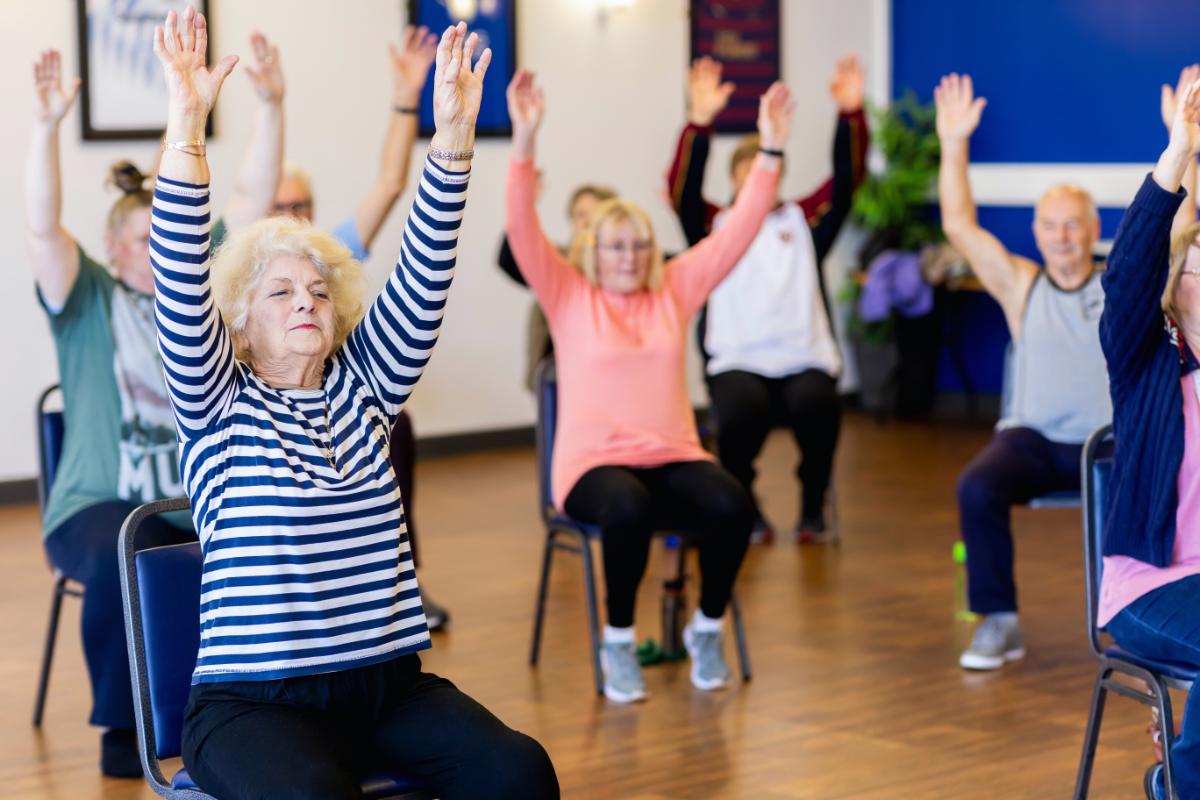
In-person fall prevention programs are often offered at community centers, senior facilities, gyms, or physical therapy clinics.
Many older adults choose to combine these options with a chair yoga book for seniors for added support at home. Participating in senior fall prevention training programs can be a great fit if you’re looking for hands-on guidance and a structured environment, especially if you benefit from in-person instruction.
Professional Guidance
You’ll have a trained instructor watching your form and ensuring you’re performing the exercises safely. It’s like having a personal trainer without the price tag.
Social Connection
Let’s be honest: working out alone can be boring. Group classes give you the chance to chat, laugh, and maybe make a few friends who also struggle with balance.
Structured Schedule
Having a set class time means you’re more likely to show up. It’s harder to skip when Barbara is expecting you there.
Equipment Provided
No need to buy resistance bands or stability balls. Most programs provide what you need.
Popular In-Person Programs
Otago Exercise Program
This evidence-based program combines strength and balance exercises with home practice. It’s been proven to reduce falls by up to 35%.
Tai Chi for Arthritis
Gentle, flowing movements that improve balance and are easy on the joints. Plus, you’ll feel like a martial arts master.
Matter of Balance
This eight-week program focuses on reducing fear of falling and increasing activity levels. It is half education, half exercise.
Potential Drawbacks
- You need to get there (transportation can be tricky)
- A fixed schedule might not fit your routine.
- May cost more than at-home options
- If you’re self-conscious, exercising in front of others might feel awkward.
At-Home Programs: The Pajama-Friendly Choice

Benefits of Staying Home
At-home fall prevention programs let you exercise in your own space, on your own time. Here’s why they appeal to many:
Convenience
No driving, no changing into workout clothes if you don’t want to, no rushing. Just you, your living room, and gentle exercises.
Privacy
If you’re nervous about exercising in front of others, your home is judgment-free.
Flexible Timing
Morning person? Night owl? Afternoon enthusiast? You choose when to practice.
Cost-Effective
Many at-home programs are free or low-cost, especially online.
Types of At-Home Programs
Online Video Programs
YouTube and other platforms offer free fall prevention exercise videos led by physical therapists.
Phone-Based Coaching
Some programs offer remote coaching via phone or video, giving you professional guidance without leaving home.
Printed Exercise Guides
Paper instructions work well if you’re not tech-savvy.
The Challenge Factor
At-home programs require self-discipline. Without a class time or instructor, it’s easy to skip days. You also won’t have someone correcting your form, which matters for safety.
How to Choose: Questions to Ask Yourself
Not sure which type is right for you? Let’s figure it out.
Consider Your Personality
Are you self-motivated?
If you’re disciplined and can stick to a routine without external accountability, at-home might work well. If you need that extra push, in-person is your friend.
Do you enjoy social interaction?
Some people love group settings; others find them draining. Neither is wrong. Pick what energizes you.
Assess Your Physical Needs
How’s your current balance?
If you’re already unsteady, having an instructor present for safety might be important.
Do you have specific health conditions?
Arthritis, osteoporosis, or recent surgery? An in-person program can be tailored to your needs.
Practical Considerations
Transportation
Can you get to a class location, or would that be stressful?
Budget
What can you spend? Many community programs are low-cost or free.
Schedule
Do you have predictable free time, or does your schedule vary?
Getting Started: Sample Exercises for Beginners
Ready to try some basic fall prevention exercises? Here are three safe, simple moves to get you started. Do these near a sturdy counter or chair back for support.
1. Single Leg Stance (Balance)
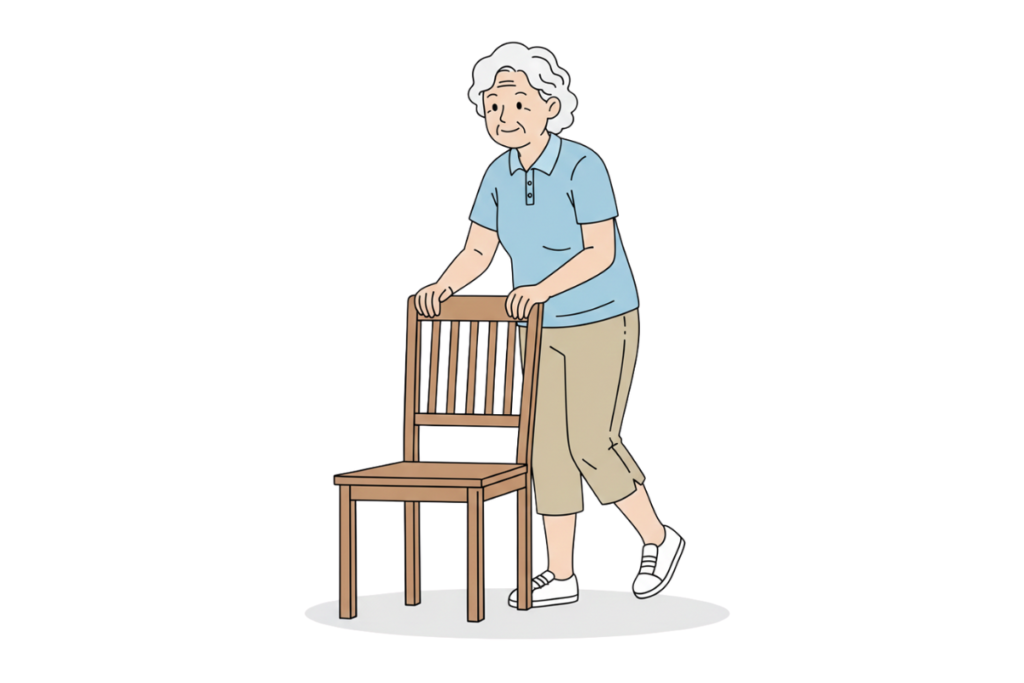
- Stand next to your chair with feet hip-width apart.
- Hold onto the chair lightly with your fingertips.
- Shift your weight onto your right foot and slowly lift your left foot just a few inches off the ground.
- Hold for 10 seconds, or as long as comfortable for you.
- Lower your foot gently and repeat on the other side.
Goal: Work up to 30 seconds per leg. Over time, you might use less hand support.
2. Heel-to-Toe Walk (Balance and Coordination)
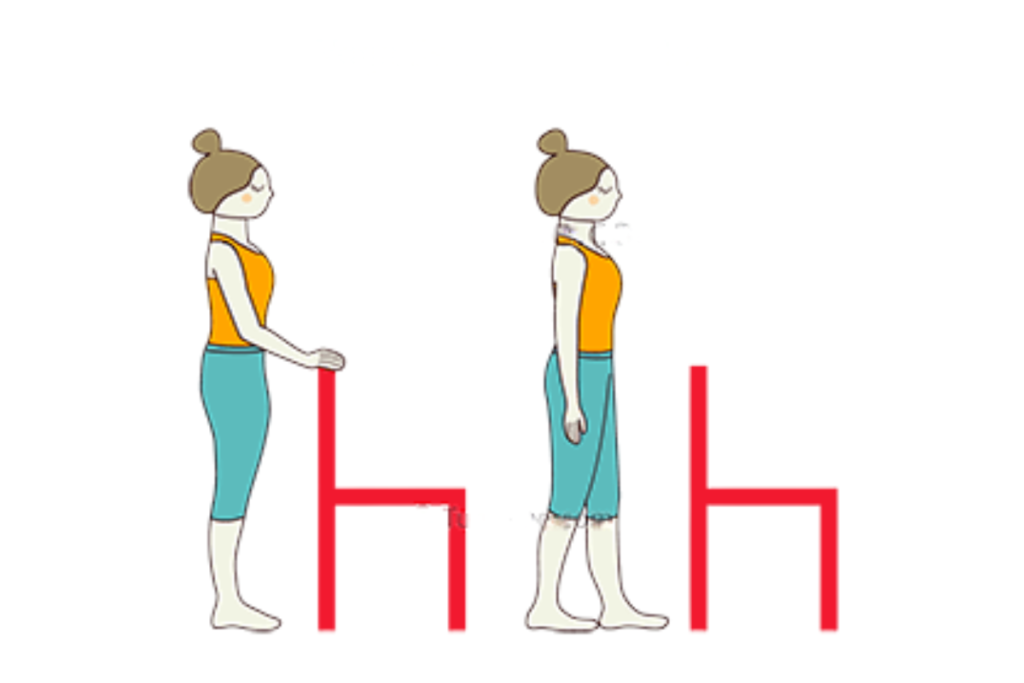
- Position yourself so you can hold the counter if needed.
- Place your right foot directly in front of your left foot so the heel touches the toes.
- Step forward, placing your left heel against your right toes.
- Continue for 10-20 steps, using the counter for balance if needed.
- Walk normally back to your starting position.
Goal: Work toward walking heel-to-toe without support.
3. Sit-to-Stand (Leg Strength)
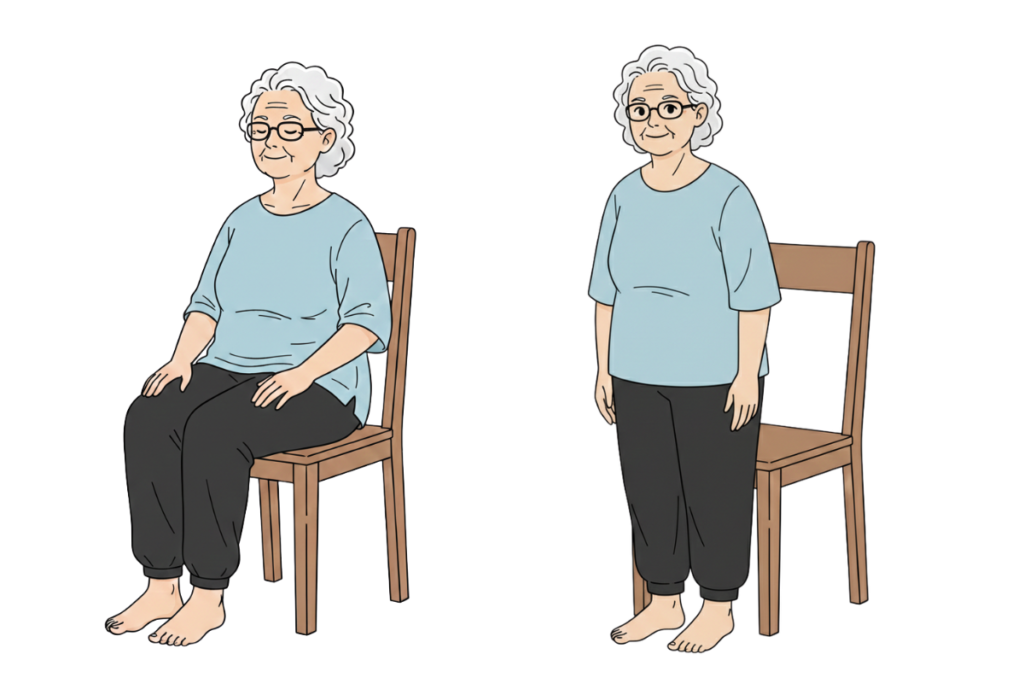
- Sit in a sturdy chair with armrests, feet flat on the floor.
- Scoot forward until you’re near the edge of the seat.
- Lean slightly forward and push through your heels to stand up. Use armrests if needed.
- Stand fully upright, then slowly lower yourself back to a sitting position.
- Repeat 10 times, or fewer if needed.
Goal: Work up to doing this without using your hands.
Important reminder: These exercises should never hurt. Some muscle fatigue is normal, but sharp pain means stop. Before starting any new exercise program, check with your doctor, especially if you have health conditions.
Red Flags: When to Seek Professional Help
Some situations call for professional assessment before starting any program:
- You’ve fallen multiple times recently.
- You feel dizzy or lightheaded frequently.
- You’re recovering from a recent injury or surgery.
- You have severe arthritis or mobility issues.
In these cases, start with your doctor or a physical therapist who can create a plan for you.
Making Your Decision: A Quick Checklist
Still on the fence? Use this checklist:
Choose In-Person If You:
- Enjoy group activities and social interaction.
- Want professional supervision and feedback.
- Have transportation readily available
- Benefit from structured schedules
- Have complex health needs requiring personalized attention
Choose At-Home If You:
- Prefer privacy and exercising alone.
- Have transportation challenges
- Want maximum scheduling flexibility.
- Are self-motivated and disciplined
- Have budget constraints
Why Not Both?
Here’s a tip: you can mix and match. Attend one in-person class per week for professional guidance and complete at-home exercises on other days. Best of both worlds.
Frequently Asked Questions
How long before I see results from a fall prevention program?
Most people notice improved balance and strength within 4-6 weeks of consistent practice (3-4 times weekly). But remember, consistency beats intensity every time!
Can I do fall prevention exercises if I use a walker or a cane?
Absolutely! Many exercises can be modified for your mobility level. Just keep your assistive device nearby for safety.
Are fall prevention programs covered by insurance?
Sometimes! Medicare may cover certain programs prescribed by your doctor. Check with your insurance provider about coverage.
Final Thoughts
Here’s the truth: the best fall prevention program is the one you’ll do. Whether that’s a group class at the senior center or gentle exercises in your living room during commercial breaks doesn’t matter as much as simply starting.
Falls aren’t inevitable, and you don’t have to live in fear of them. With the right program and some consistency, even 15 minutes a few times a week, you can build the strength and balance to stay active and independent.
Pick up the phone and call that community center. Or queue up a YouTube video. Or talk to your doctor about a referral. Just take one small step today. Your future, steadier self will thank you.
And remember: we’re aiming for graceful, not perfect. Even flamingos wobble sometimes.
